Where textured ceilings turn up in Littlehampton
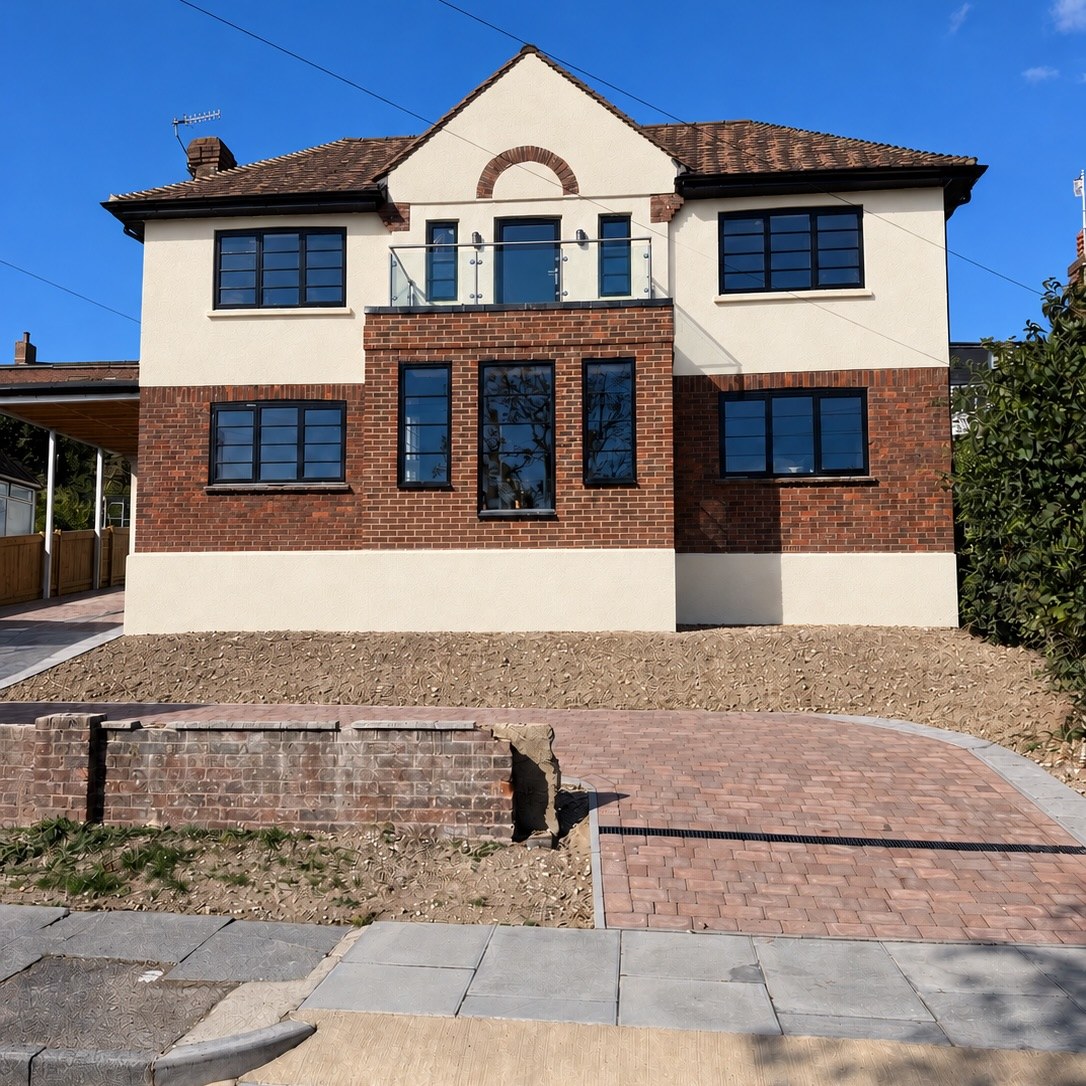
Most of Littlehampton was built after the middle of the nineteenth century, and a great deal of it in the twentieth. Between the wars, council houses went up around Horsham Road and East Ham Road, and new building along Arundel Road and the parallel Kent Road joined the town to the neighbouring village of Wick. After 1945 the suburbs kept spreading, north along the A284 Lyminster road as far as the railway line at Wick, and east until they merged with Rustington without a break. Later still came blocks of flats, some as infill on South Terrace and some where large Victorian and Edwardian villas once stood, such as the courts at the west end of Selborne Road.
Those were the decades when textured ceilings were most fashionable across the country, so a Littlehampton home from that era, or an older one redecorated during it, may well still have swirls, stipples or a combed pattern overhead. Often it is the last original surface left in a house that has otherwise been modernised, and the next thing on the list.
Covering rather than stripping
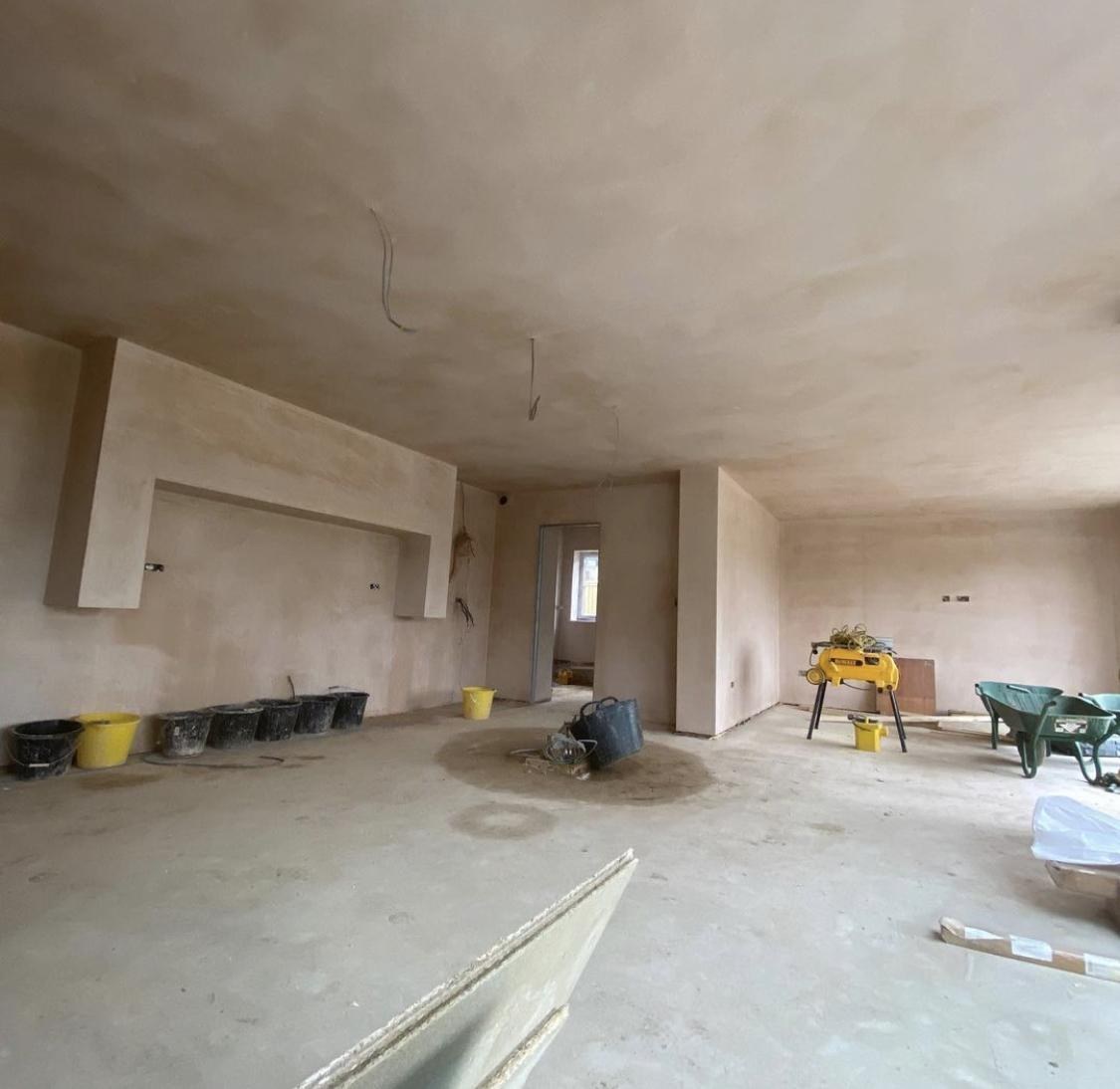
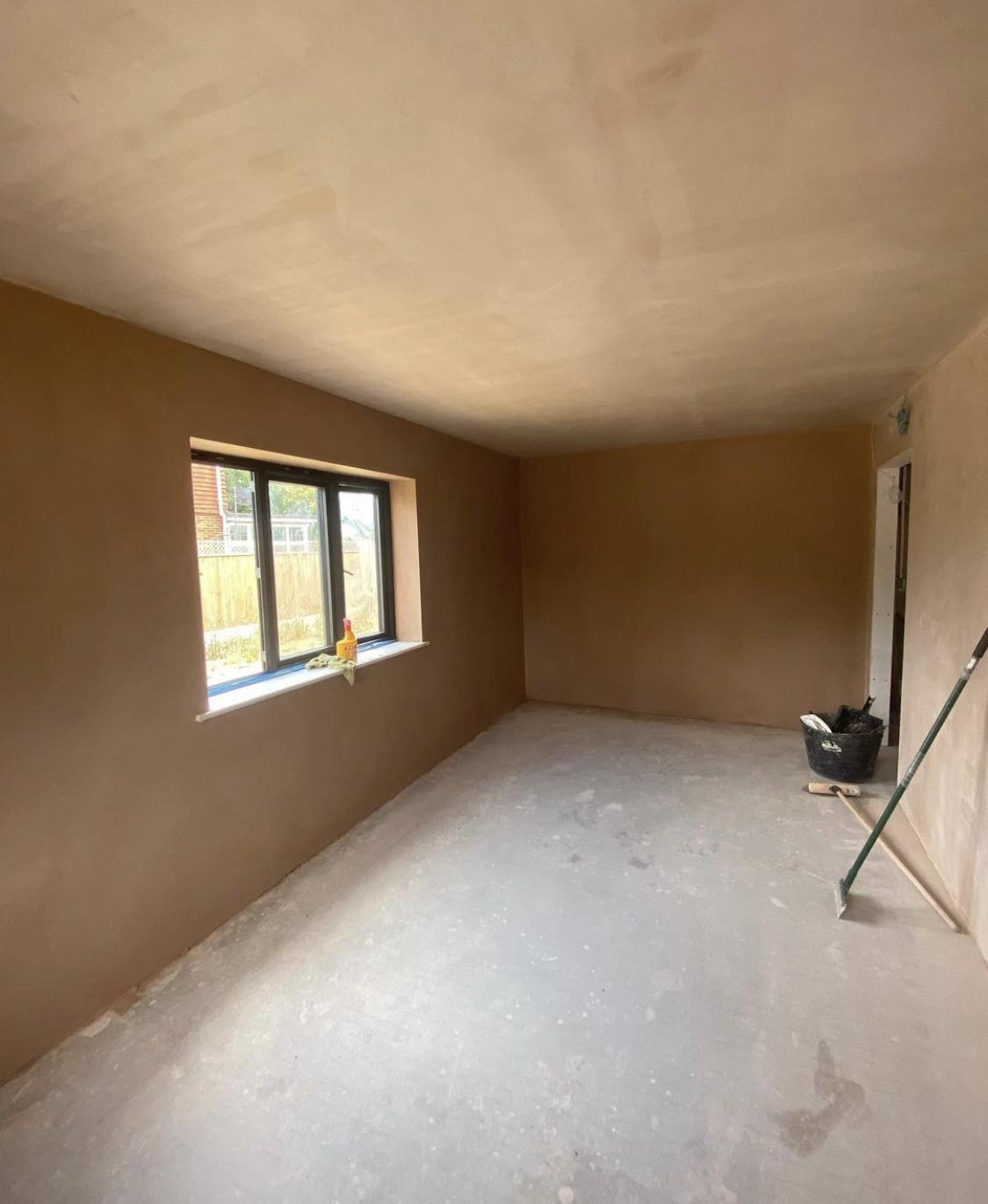
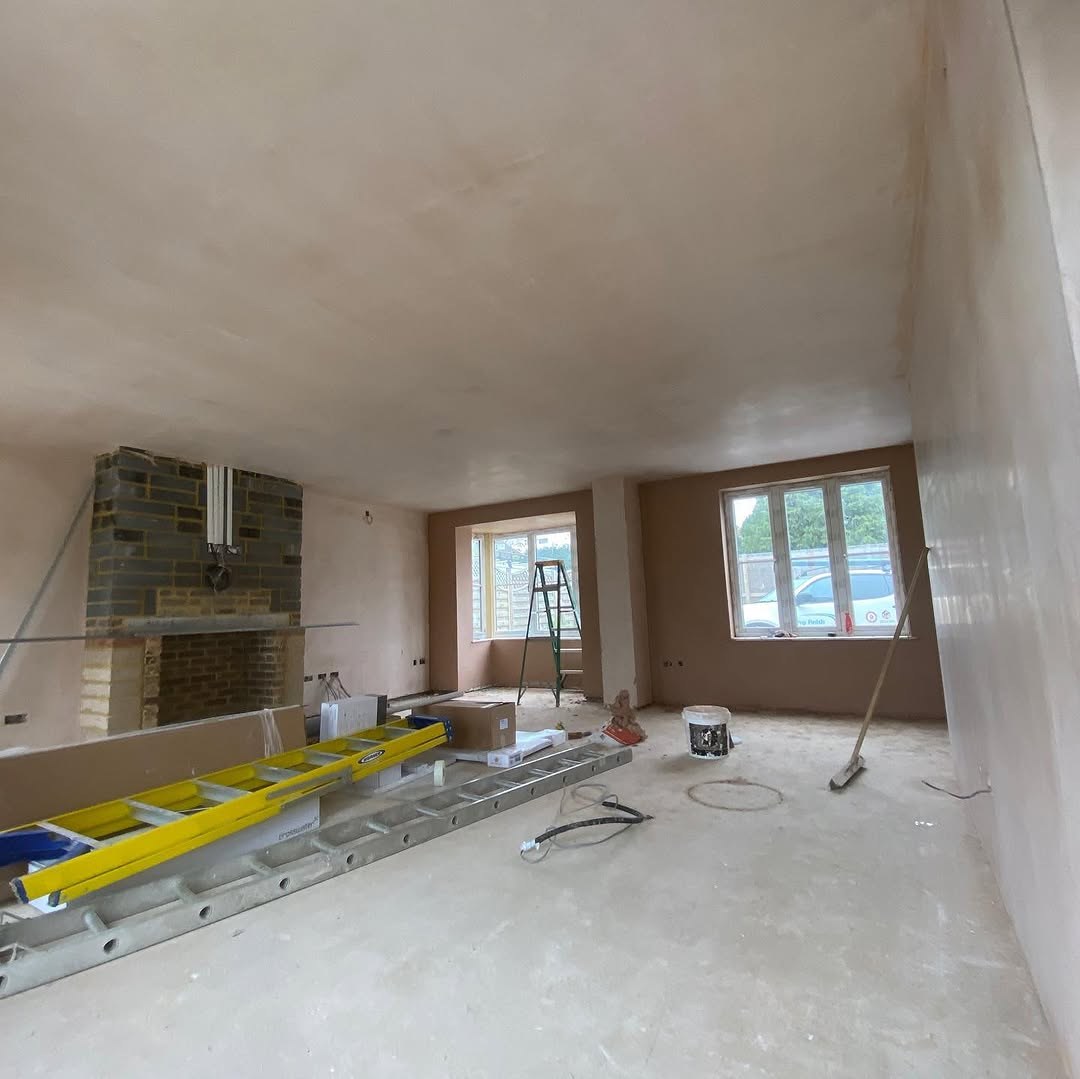
Scraping a textured coating off is slow, messy and hard on the board behind it. Plastering over it is quicker and leaves the coating sealed where it is. We check the ceiling is firmly fixed, mask the room, and brush a bonding agent over the pattern without sanding it. A first coat fills the peaks and hollows level, and a second is trowelled to a smooth face that takes a mist coat and paint like any new ceiling.
On safety, the one thing everyone should know is that textured coatings applied before 2000 can contain asbestos. It is only a concern when the material is disturbed by sanding, scraping, drilling or breaking it up, and you cannot tell by looking. If you are unsure of the age of yours, have a sample tested by an asbestos surveyor before anything disturbs it. Plastering over a sound coating does not remove it, so keep the result of any test with the house paperwork.
Flats and rented homes
Many of Littlehampton's flats sit in purpose-built blocks or in converted houses, where a ceiling can matter to more than one owner. Before booking, a leaseholder should check that the ceiling is theirs to alter, and the managing agent may already hold an asbestos survey covering the common parts of the building. For landlords, a flat ceiling is simply easier to keep clean and repaint between tenancies, and it suits modern downlights far better than a pattern that throws shadows.
When a skim is not enough
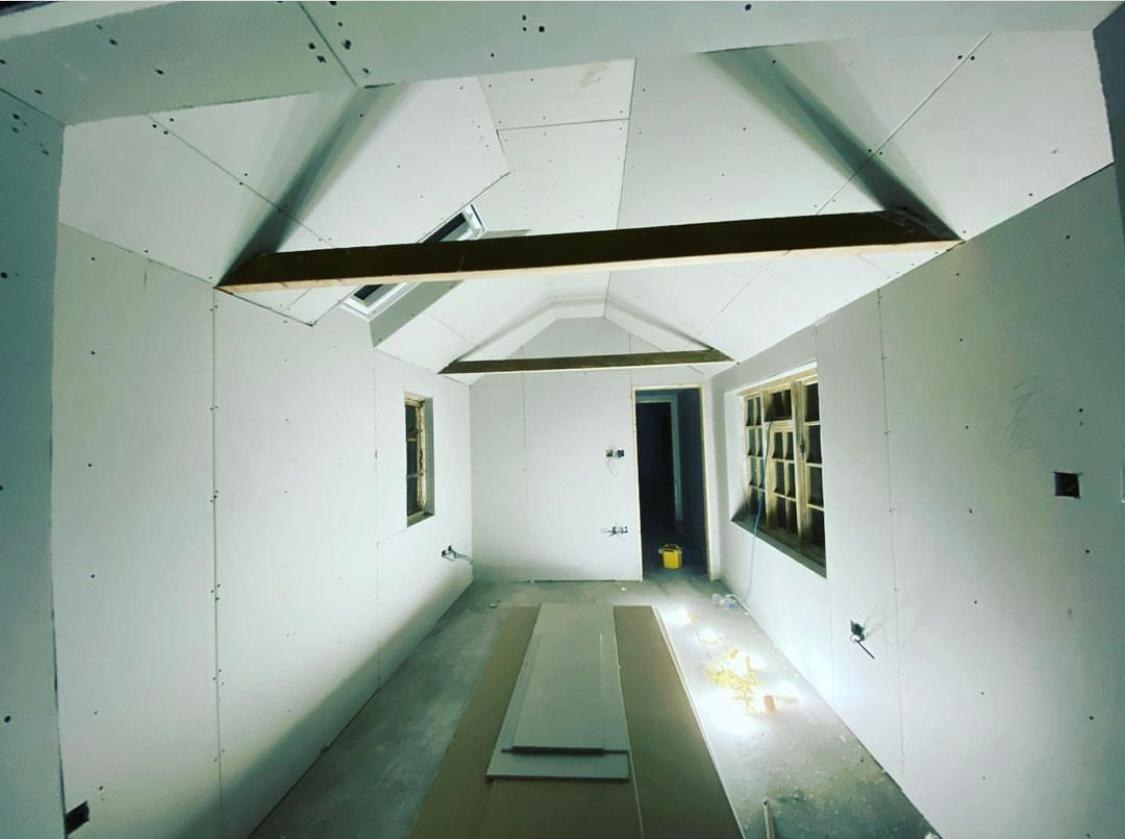
A textured ceiling that is cracked across the middle, bowing, or coming away at the edges is not a candidate for plastering over. The reliable answer then is new plasterboard, fixed over the old ceiling or in place of it, followed by a finish coat. We will tell you which applies once we have seen it.
Finishing the room
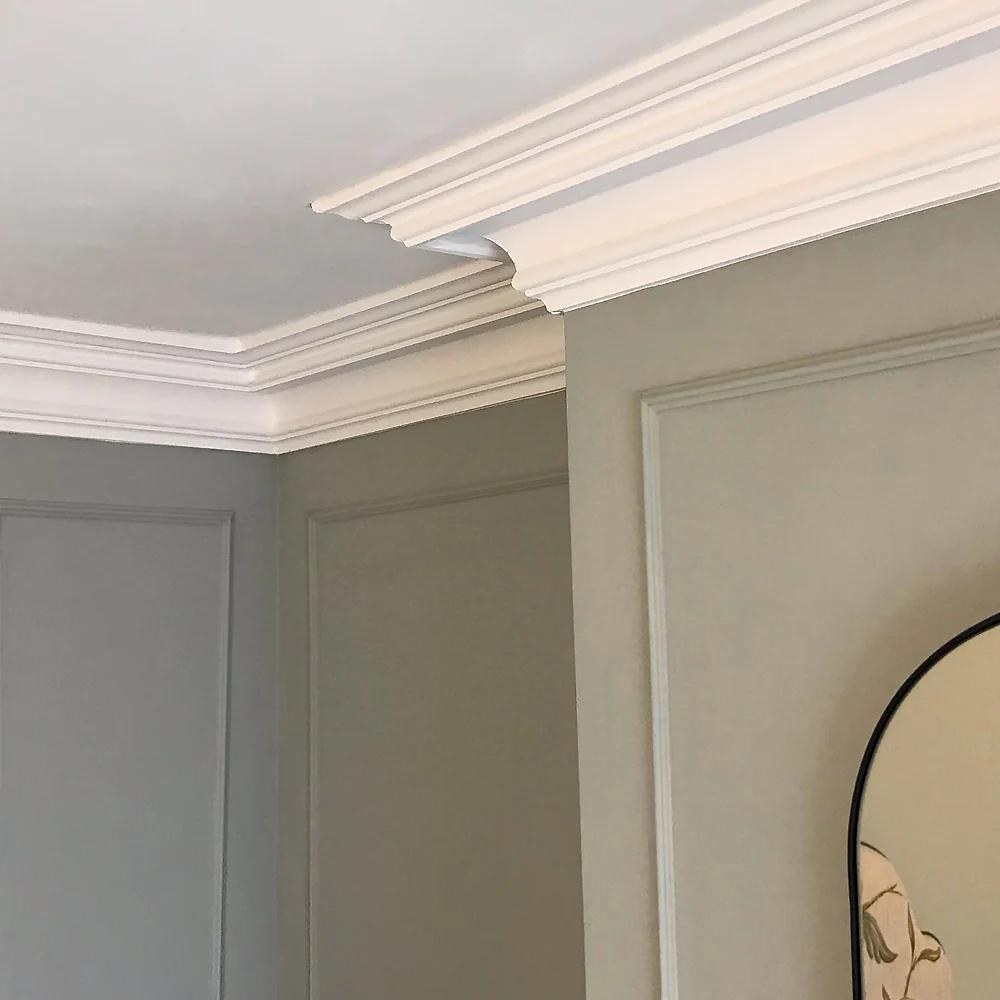
Once a ceiling is flat, it is a good moment to fit new cove or a ceiling rose, which never sat comfortably against a heavy pattern; see coving and cornice in Littlehampton. If the walls need attention at the same time, our plastering and skimming service in Littlehampton covers those. Read more about plastering over Artex in general, or browse all our services in Littlehampton. For a free quote, send a couple of photos or call 07824 165672.