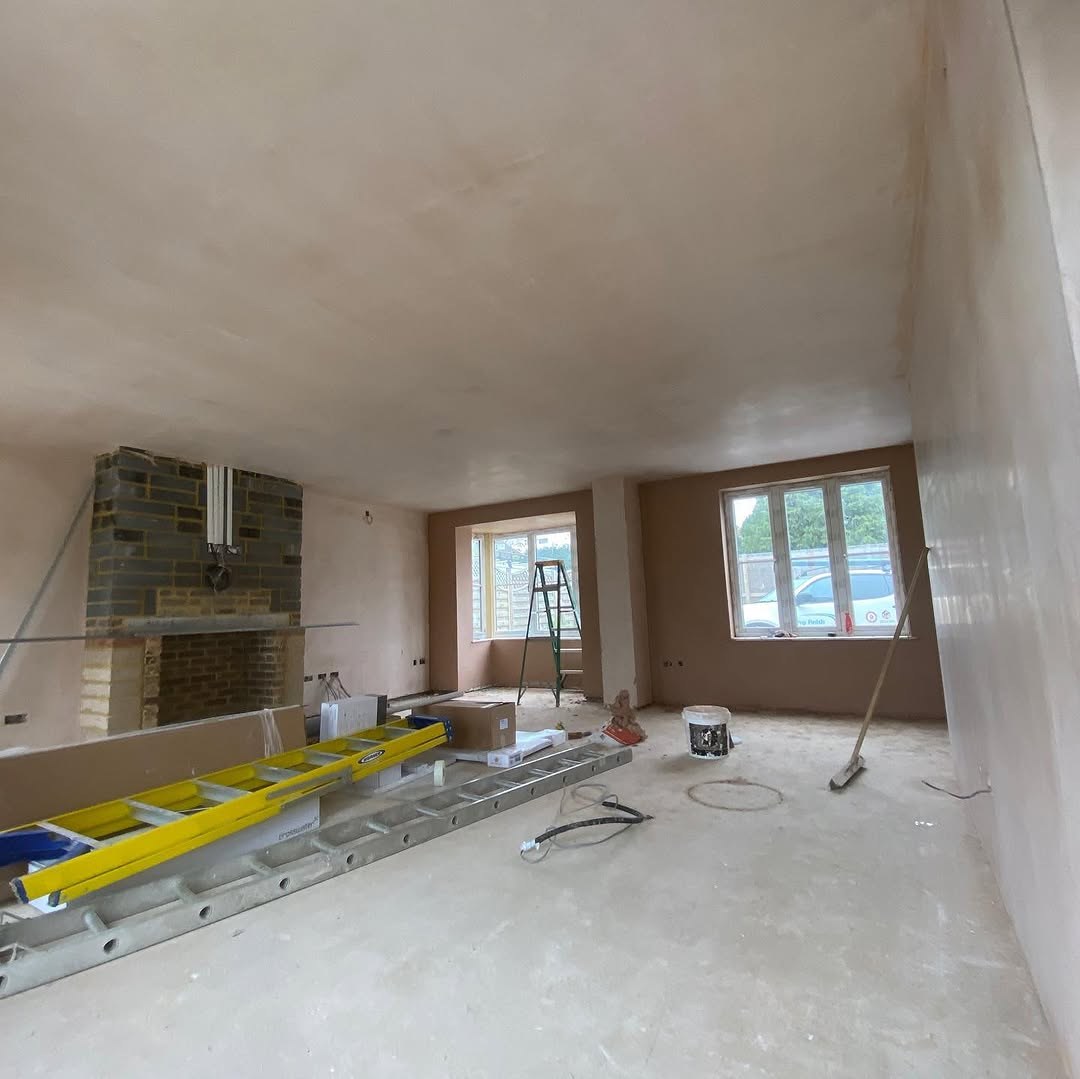
Where textured ceilings turn up in Arundel
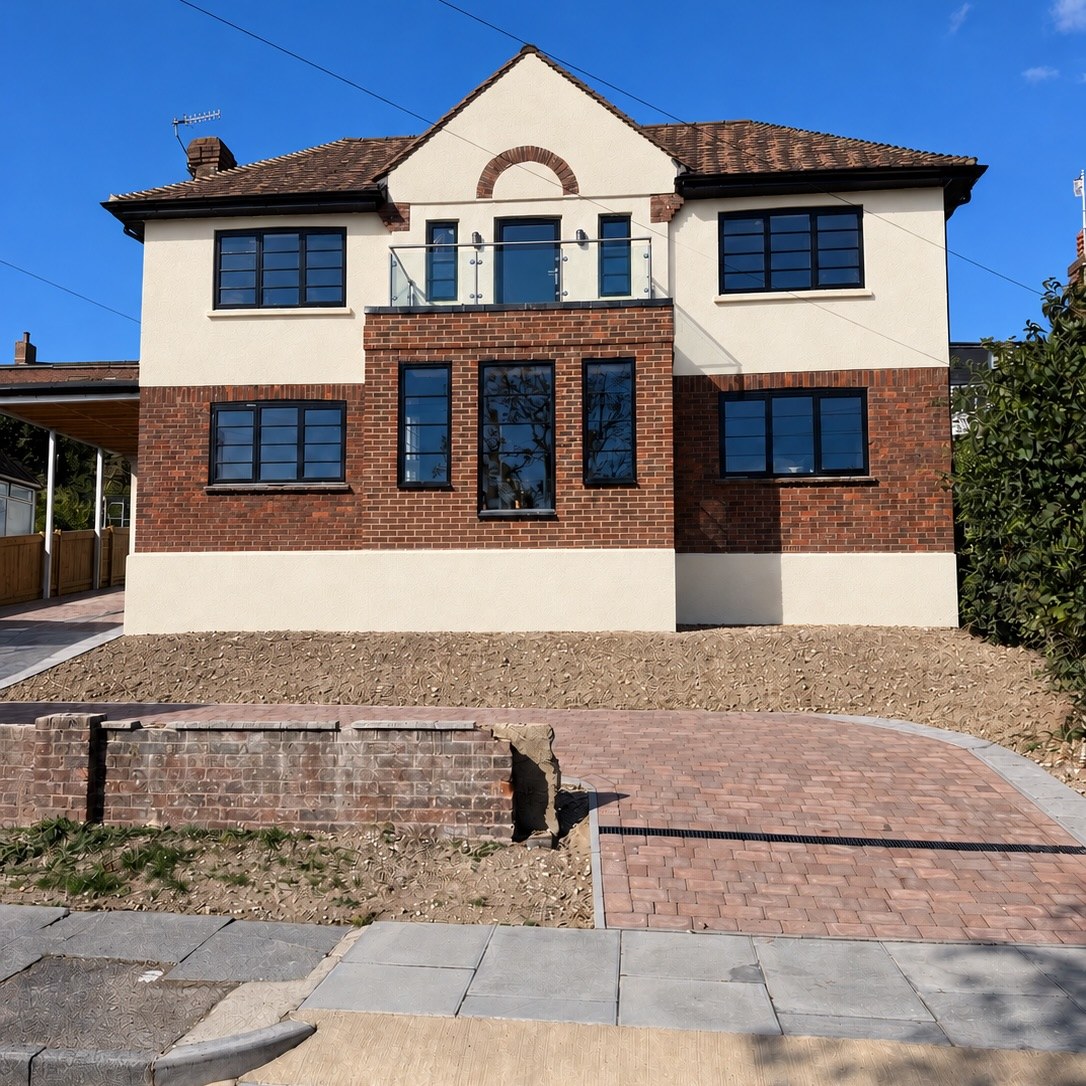
Textured coatings were applied to ceilings and walls through much of the 20th century, so in Arundel they turn up most often in the houses built during that century. The Sussex Extensive Urban Survey describes how the town grew west after the First World War, first around the terraced workers' housing near the Penfolds agricultural works at Tortington and the gas works, then as a wider suburb of semi-detached and detached homes that carried on spreading west after the Second World War. Houses of those decades are where swirl and stipple ceilings most often survive, along with patterned finishes on stairwells and chimney breasts.
The old town is not exempt. For much of the last century a textured coat was a quick way to hide cracks, so a pattern on the ceiling of an 18th or 19th-century cottage can be sitting over a lath and plaster ceiling that has moved. In that case the pattern is not the real problem, and plastering over it would only add weight to a ceiling that is already struggling.
Test first: a note on asbestos
Textured coatings applied before 2000 can contain asbestos. It is only a risk when the material is disturbed, by sanding, scraping, drilling or breaking it up, and there is no way to tell by looking. If your ceiling is older than that and you are not sure what it is, have a sample tested by an asbestos surveyor before any work that would disturb it. Plastering over a sound coating leaves it sealed where it is; it does not remove it. Testing is arranged with the surveyor, separately from the plastering.
What plastering over Artex involves
- Check the ceiling is sound: no sagging, no loose patches, no hollow areas. In older houses that also means checking how the ceiling is held up.
- Protect and clear the room. In the small two-storey terraces of the old town, where many houses are only a door and a window wide, furniture usually has to go to another room.
- Seal the textured surface with a bonding coat, without sanding it.
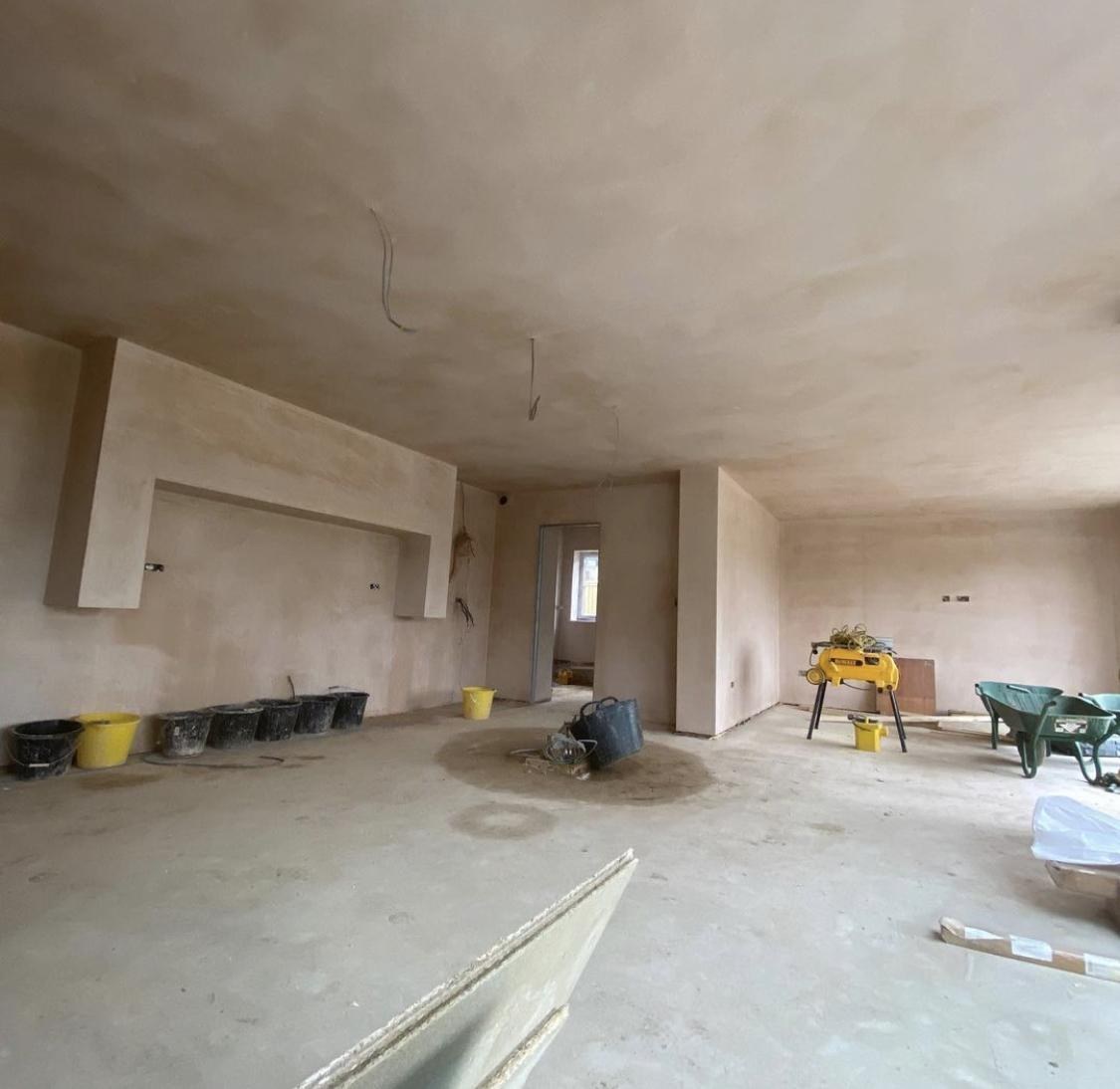
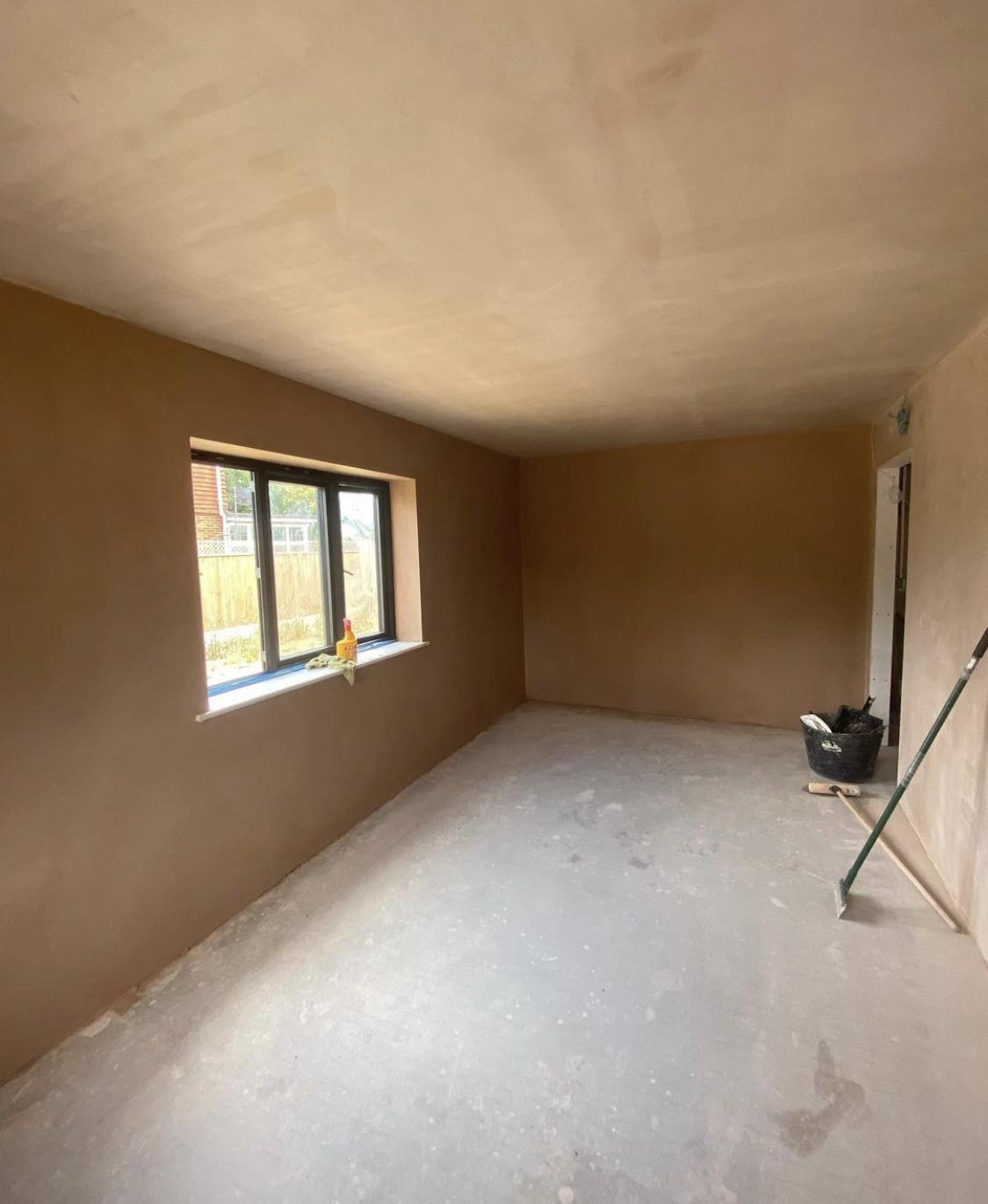
- Fill the pattern with a first coat, then trowel a second coat smooth. The finish is two coats using British Gypsum products.
- Leave it to dry right through before a mist coat.
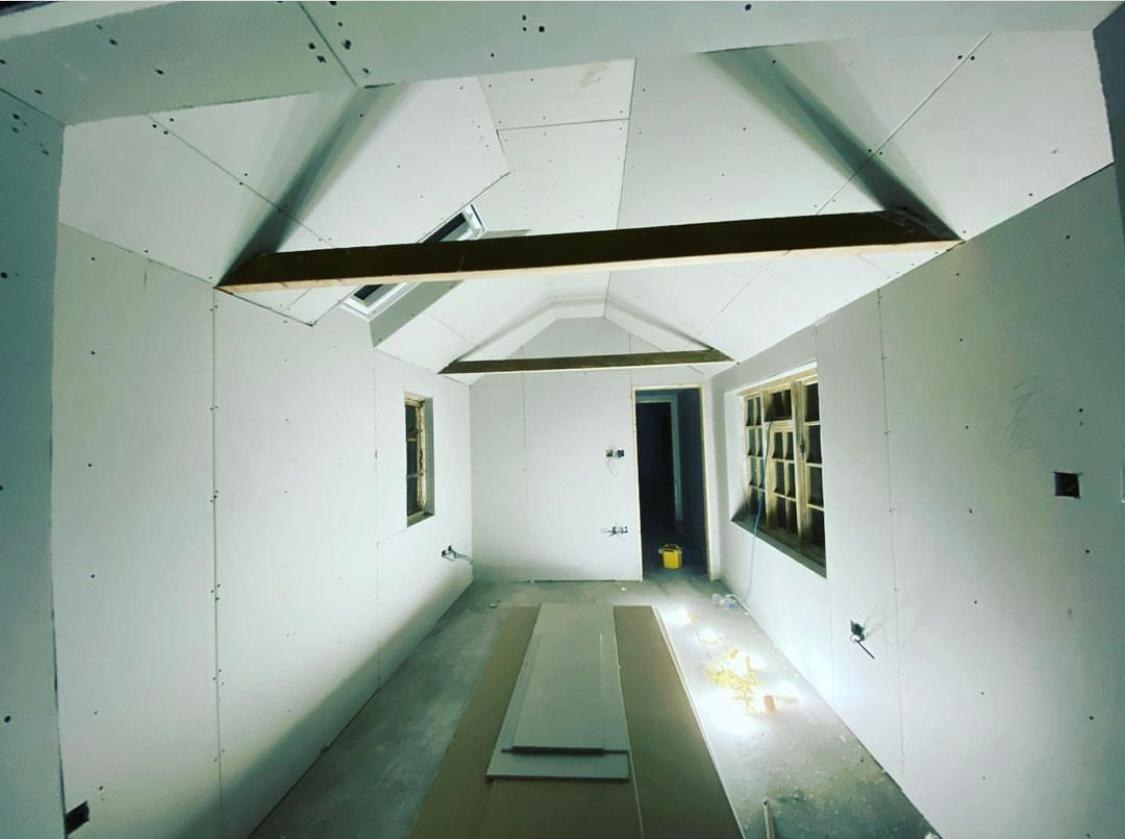
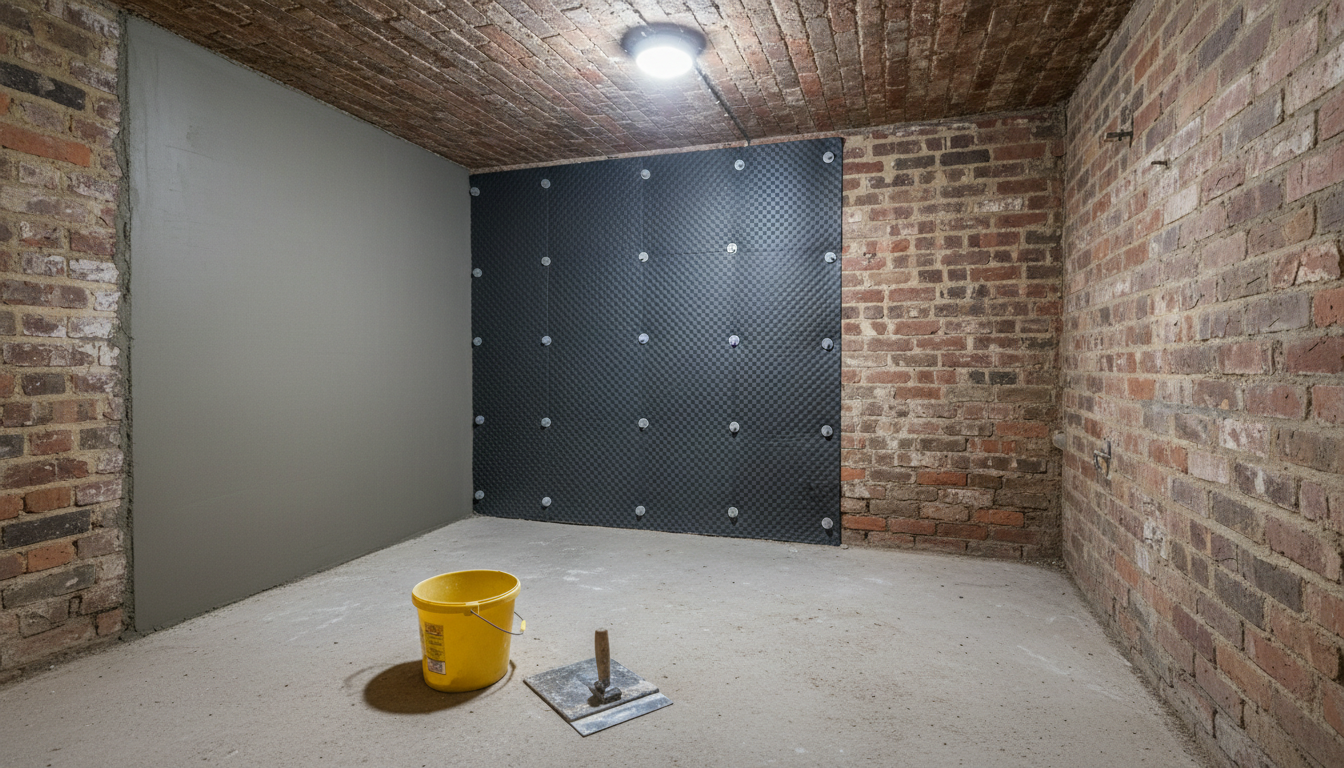
Where the ceiling has failed, the answer changes: new plasterboard fixed over or in place of the old ceiling, then a skim. The same applies to a patterned wall that is cracked or hollow behind; our page on plastering and skimming in Arundel covers how those walls are put right.
If the house is listed, a textured coat may be sitting on top of original plaster. Boarding over or stripping a ceiling in a listed building can need consent, so ask Arun District Council's conservation officer before the work is booked.
After the ceiling is flat
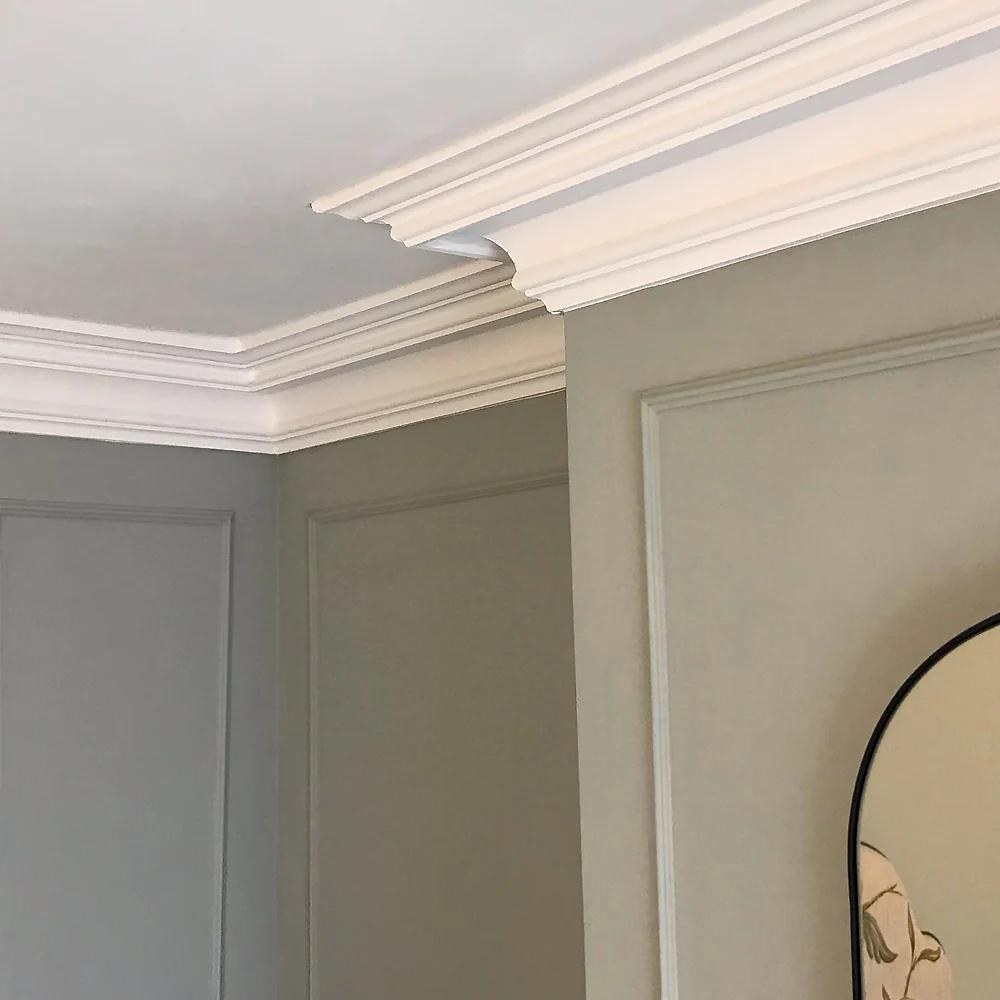
A flat ceiling makes room for details a pattern never suited. Recessed lights sit cleanly, and a cove or cornice can go back around the top of the walls. In the older houses that usually means choosing a profile that suits a period room; our coving and cornice in Arundel page explains the choices.
For a free, no-obligation quote, send Pro Finish Plastering a couple of photos of the ceiling or call 07824 165672. There is more on how textured coatings are handled on our Artex ceilings page, and everything we cover in the town is on our Arundel page.