Arundel's walls are older than they look
Arundel packs a great deal of history onto one hillside. The Sussex Extensive Urban Survey counted 190 listed buildings or groups of buildings in the historic town, with as many surviving from the 18th century as from the early 19th, and only Chichester has more listed buildings in West Sussex. For a plasterer, that means the wall behind a tired finish could be almost anything: brick from a Georgian refronting, flint rubble from a terrace of cottages, or a timber frame hidden behind a later façade.
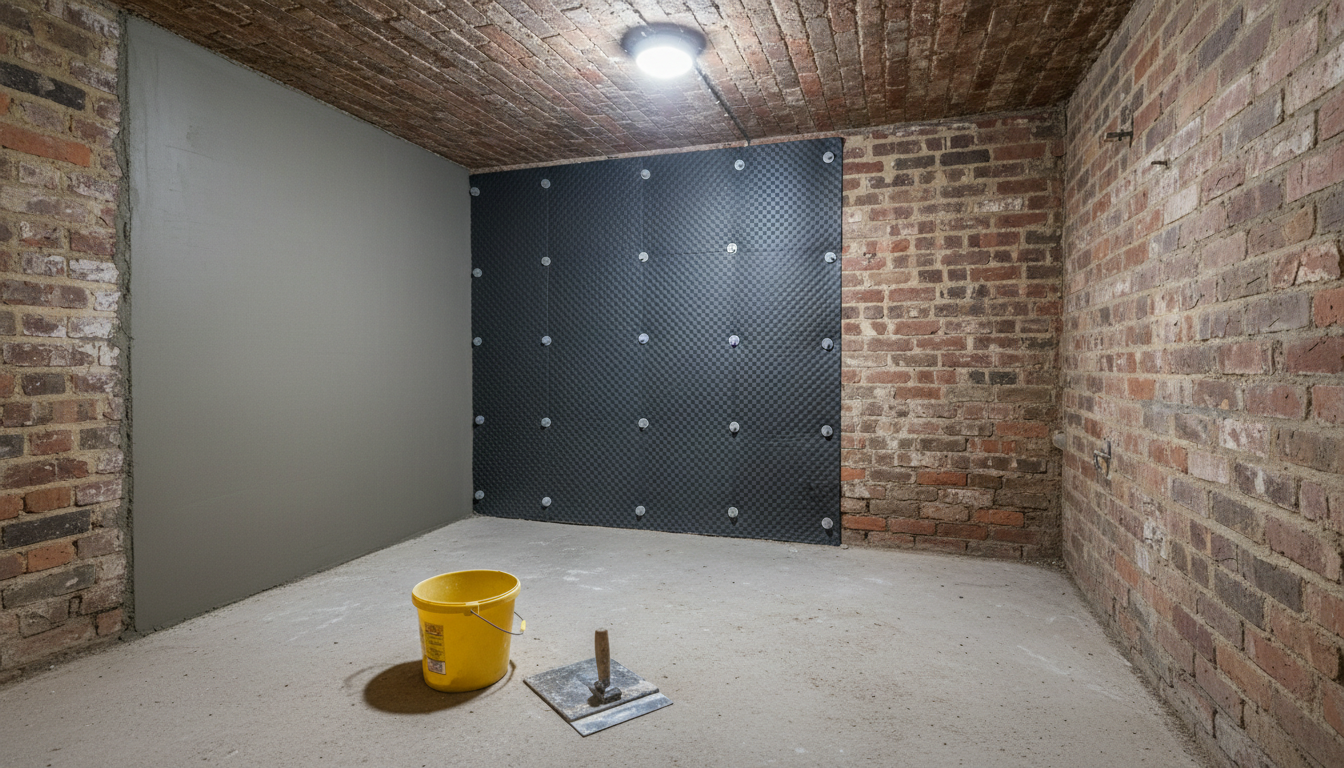
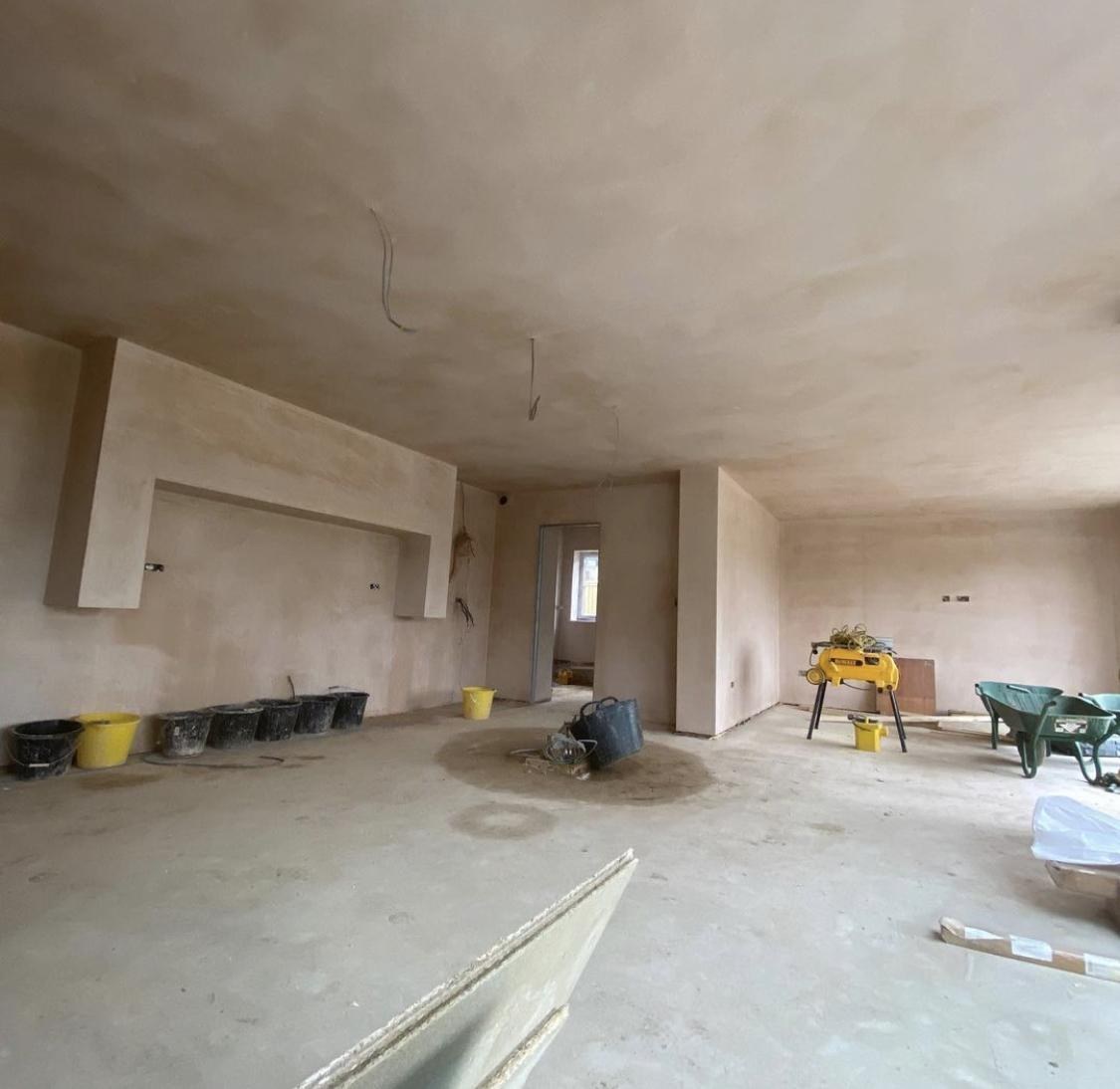
Skimming is still the right answer in most rooms, but only once it is clear what the skim is going onto. A modern gypsum skim bonds well to plasterboard and to sound gypsum backgrounds. Old lime plaster on a flint wall behaves differently: it is softer, it lets the wall breathe, and it is often hollow where the key behind it has failed. Before quoting we tap the walls, look for blown areas and ask what the house is built of.
From Maltravers Street cottages to the western suburbs
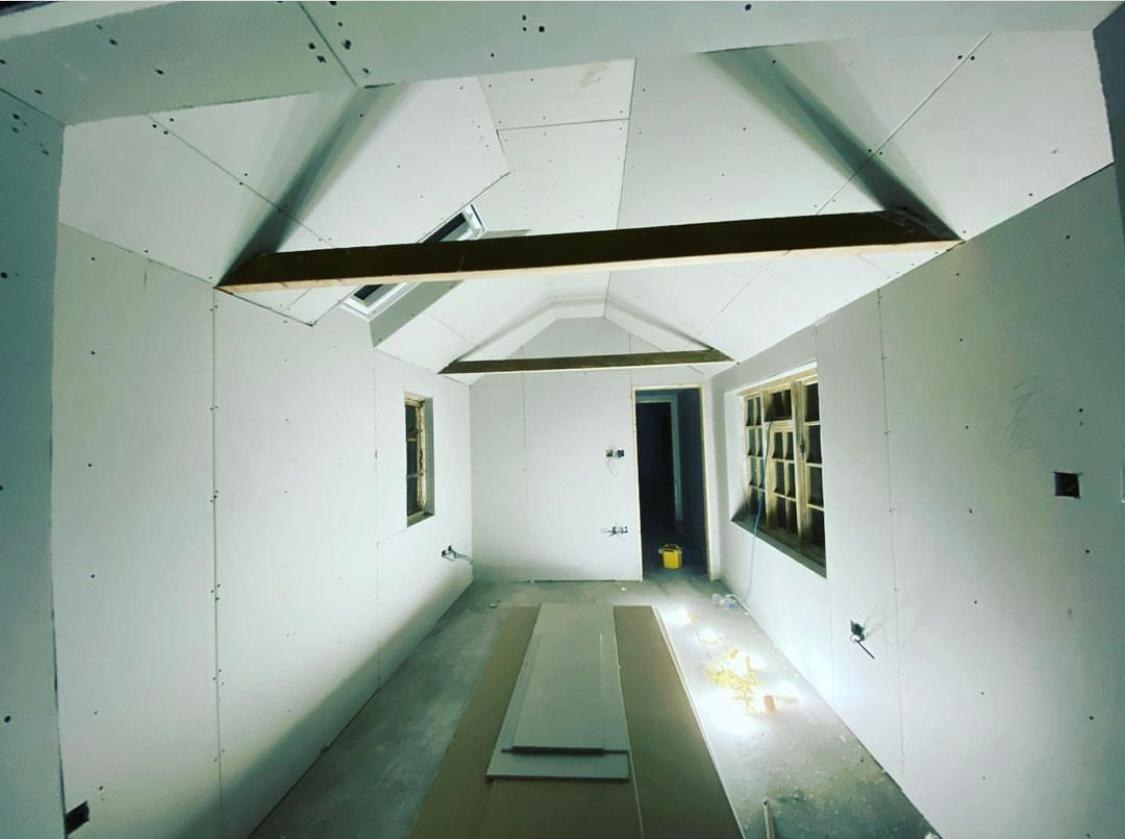
Most of the small terraced cottages on streets such as Orchard Place, Mount Pleasant, King Street and the western end of Maltravers Street are flint with brick dressings. Inside, the work is usually a mixture: ceilings and partitions that can be boarded or skimmed, and solid outside walls where blown plaster has to come off and be floated back to true before any finish goes on.
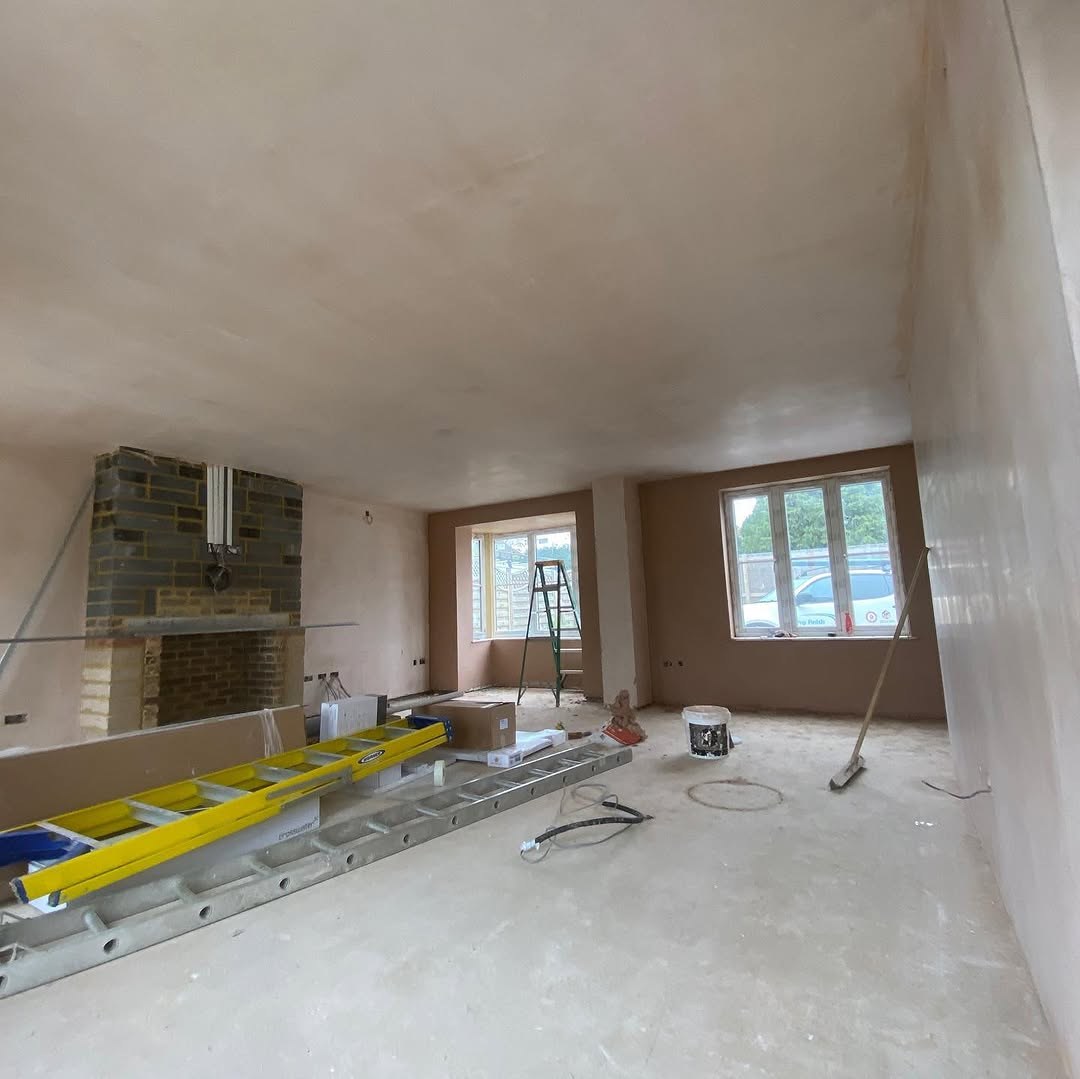
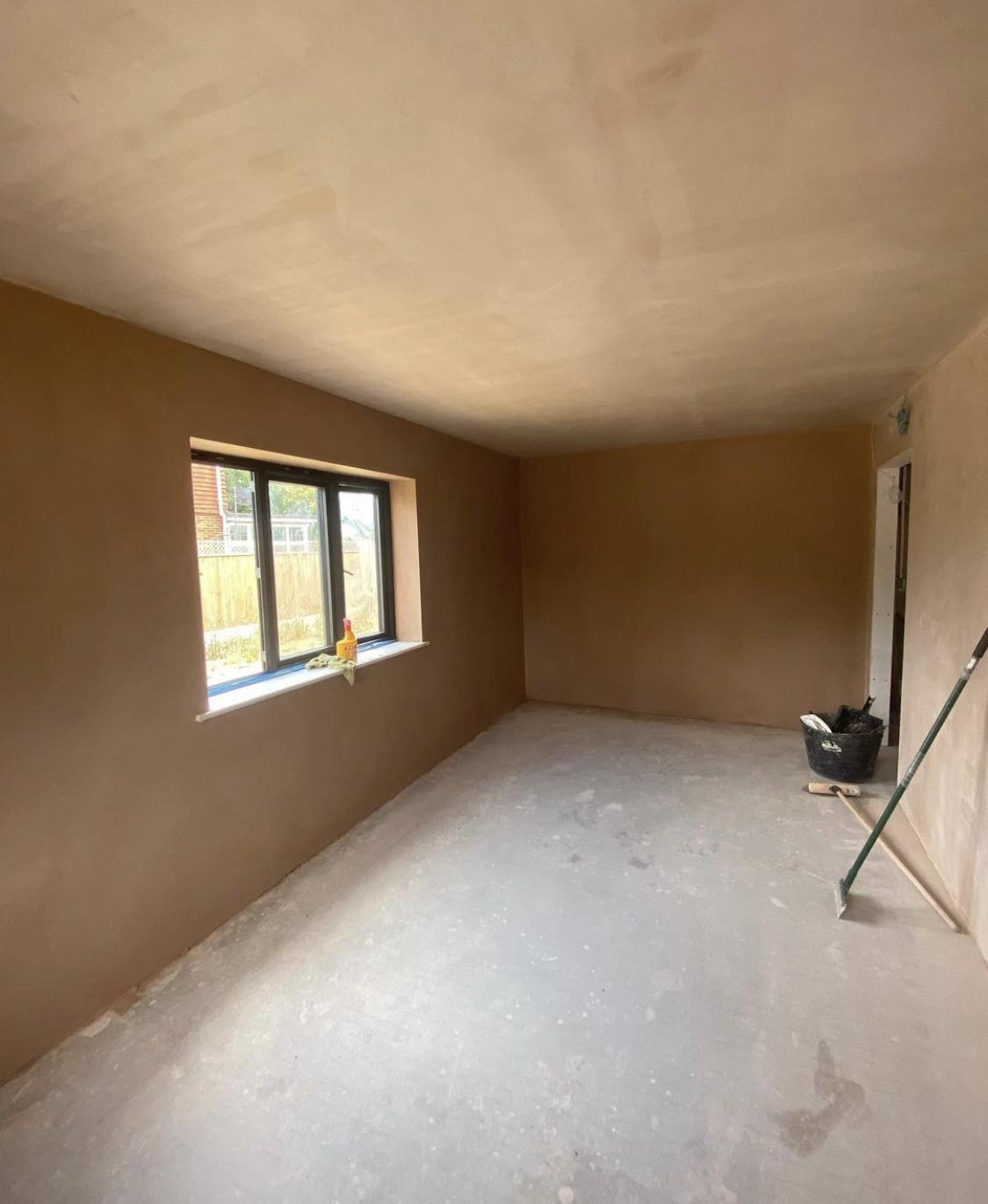
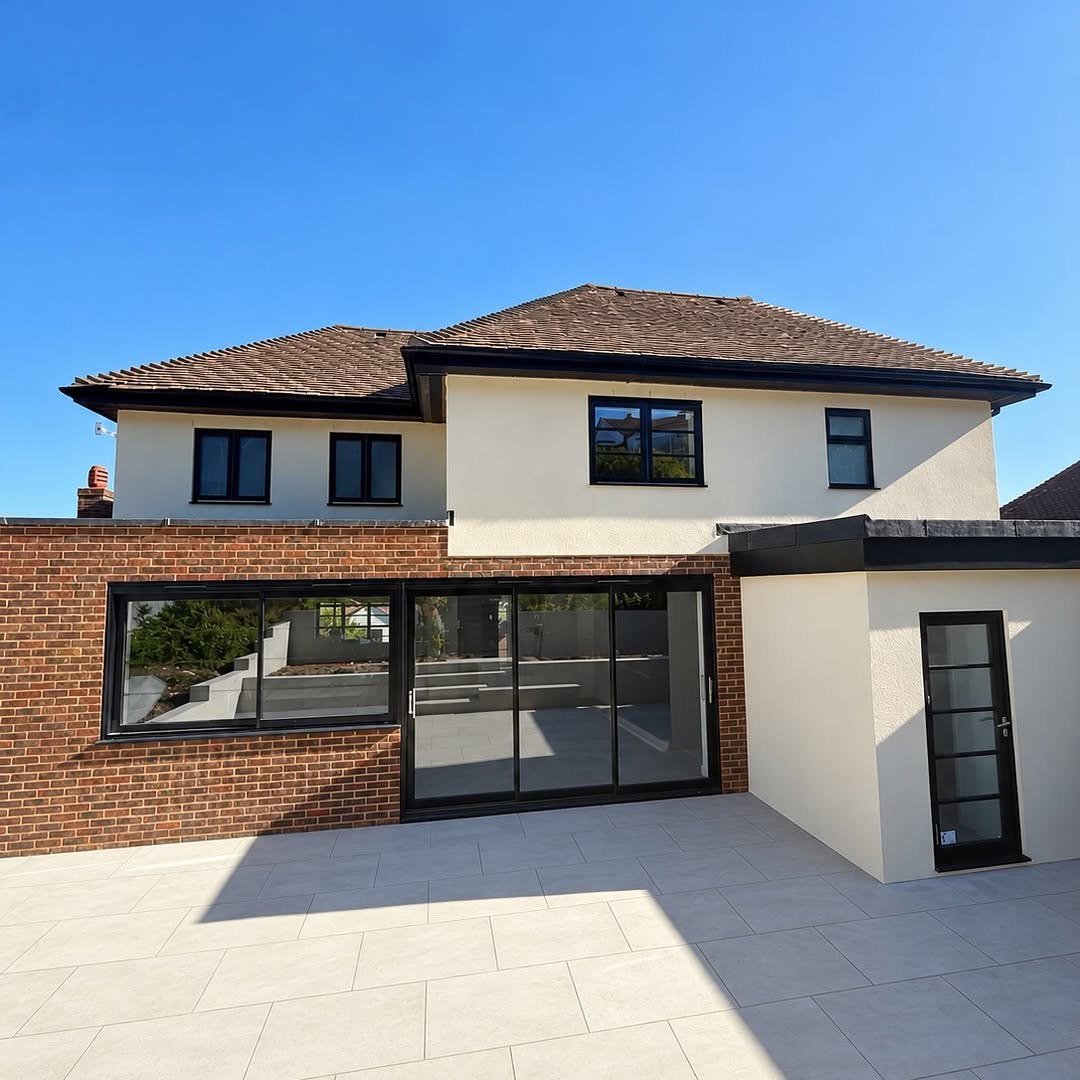
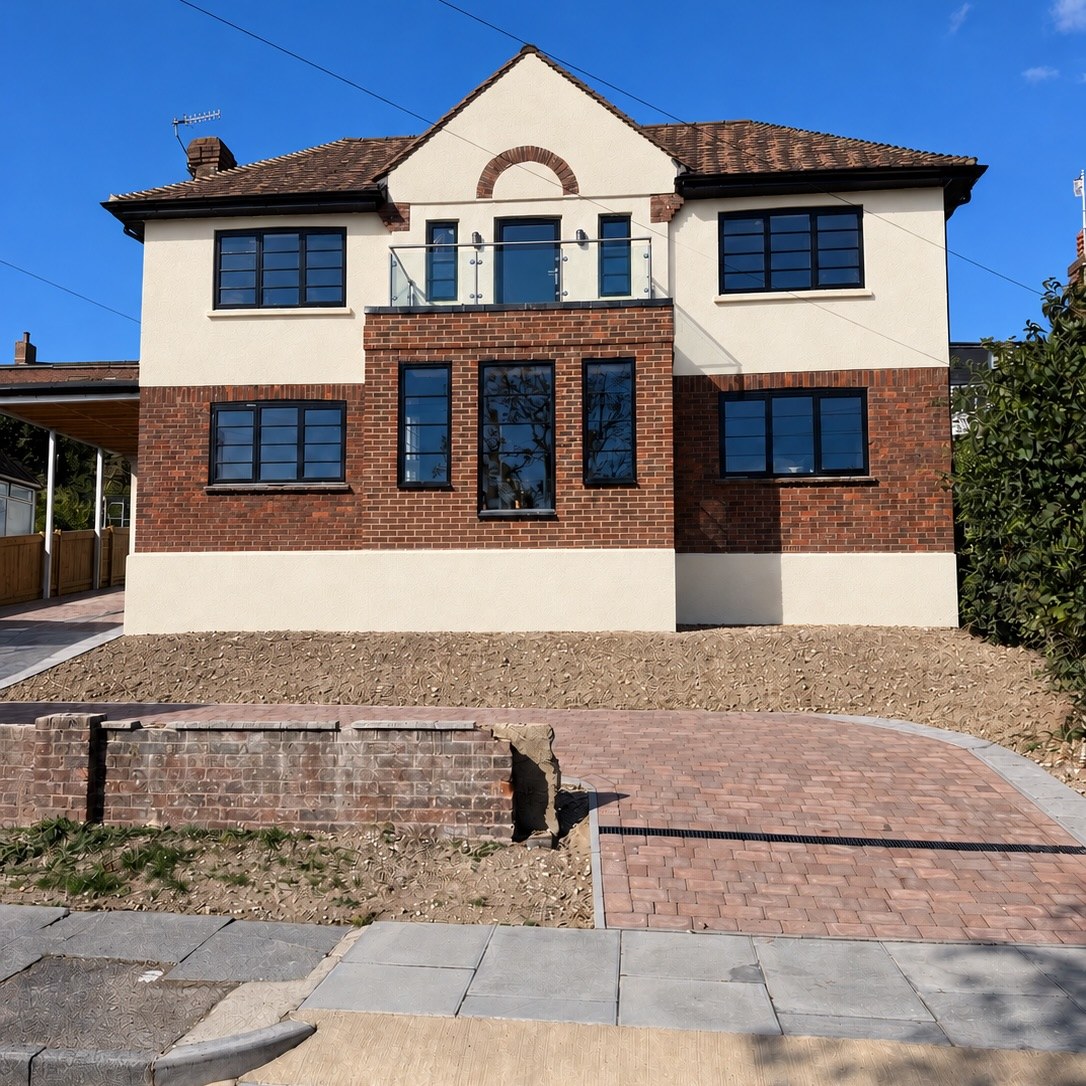
West of the A27 the picture changes. The suburbs there grew after the First World War as semi-detached and detached houses, and kept spreading west after the Second. Post-war houses usually have plasterboard ceilings and gypsum-plastered walls, so a two-coat skim over the existing surface is normally all a room needs, while interwar ones may still have lath and plaster ceilings that must be checked for sagging first. If a ceiling has a textured pattern, we can plaster the Artex flat in the same visit.
Down by the river, the housing along Riverside Road, Tarrant Wharf and The Slipe is mostly three storeys, built close together. Work there is about access and protection: sheeting every landing, and finishing tall stairwell walls in one continuous run so there are no visible joins.
Listed buildings and the conservation area
If your house is listed, speak to Arun District Council's conservation officer before any original plaster is removed, because historic fabric is protected inside as well as out. We are happy to look at the walls first and explain what can be repaired and what would need replacing, so you can have that conversation with the facts in front of you.
How a skimming job in Arundel runs
- A visit to see the backgrounds and the access. The High Street climbs steeply from the bridge to the castle gate, so deliveries and parking are planned in advance.
- Floors, stairs and fittings protected, and anything loose removed.
- Beads on corners and reveals, plus a bonding treatment where the surface needs it.
- The finish, completed in two coats using British Gypsum products and trowelled smooth.
- Drying time before a thinned mist coat. Solid walls take longer, and we will tell you how long to leave them.
Pro Finish Plastering covers the whole of Arundel and the villages around it. See our Arundel page for everything we do in the town, or read more about plastering and skimming. Quotes and advice are free and without obligation: call 07824 165672.