A railway town, built mostly since 1841
Haywards Heath is young by Sussex standards. Before the London to Brighton line opened its station here in July 1841, the heath between Cuckfield and Lindfield held only scattered farms. The town was officially recognised in 1862, and most of what stands today went up after that: Victorian and Edwardian villas for commuters, terraces for tradesmen and labourers, inter-war suburbs, post-war estates and, since 2002, Bolnore Village to the south-west. Pro Finish Plastering covers all of it, and the age of a house tells us a lot about what is behind its walls before we have even tapped one.
Victorian and Edwardian villas
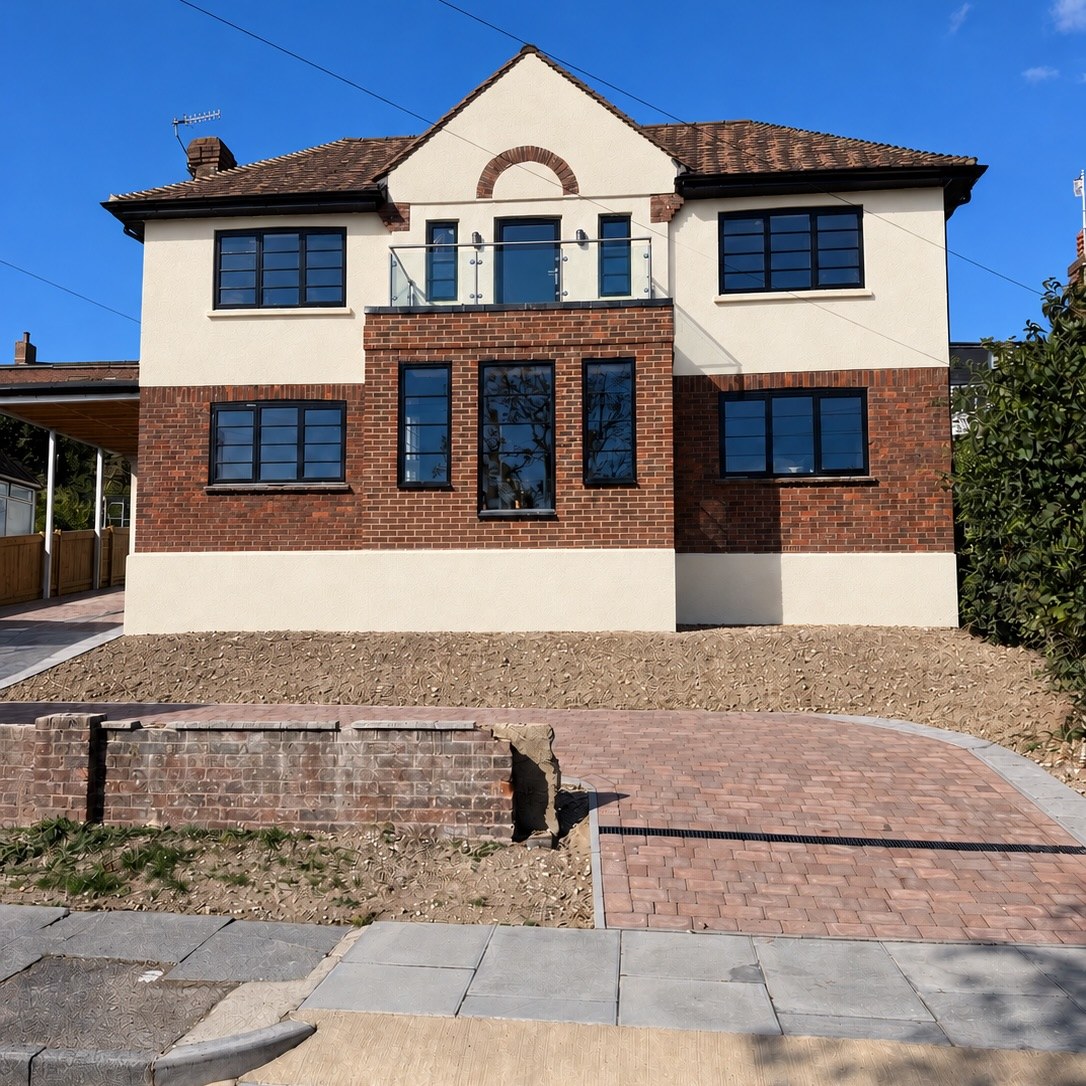
Mid Sussex District Council's historic assessment of the town records villas built before 1874 along Church Road, Muster Green, Paddockhall Road, South Road and Sydney Road, with the grand houses of Oathall Road and Heath Road built between 1875 and 1912. Most are solid brick houses, plastered in lime when new, often with lath and plaster ceilings and generous ceiling heights. Plenty have since been divided up; the council's appraisal of The Heath conservation area mentions villas on Oathall Road split into three apartments. Each conversion leaves its mark in the plaster: blocked doorways, new partitions, chased-in cables and walls patched by several different hands.
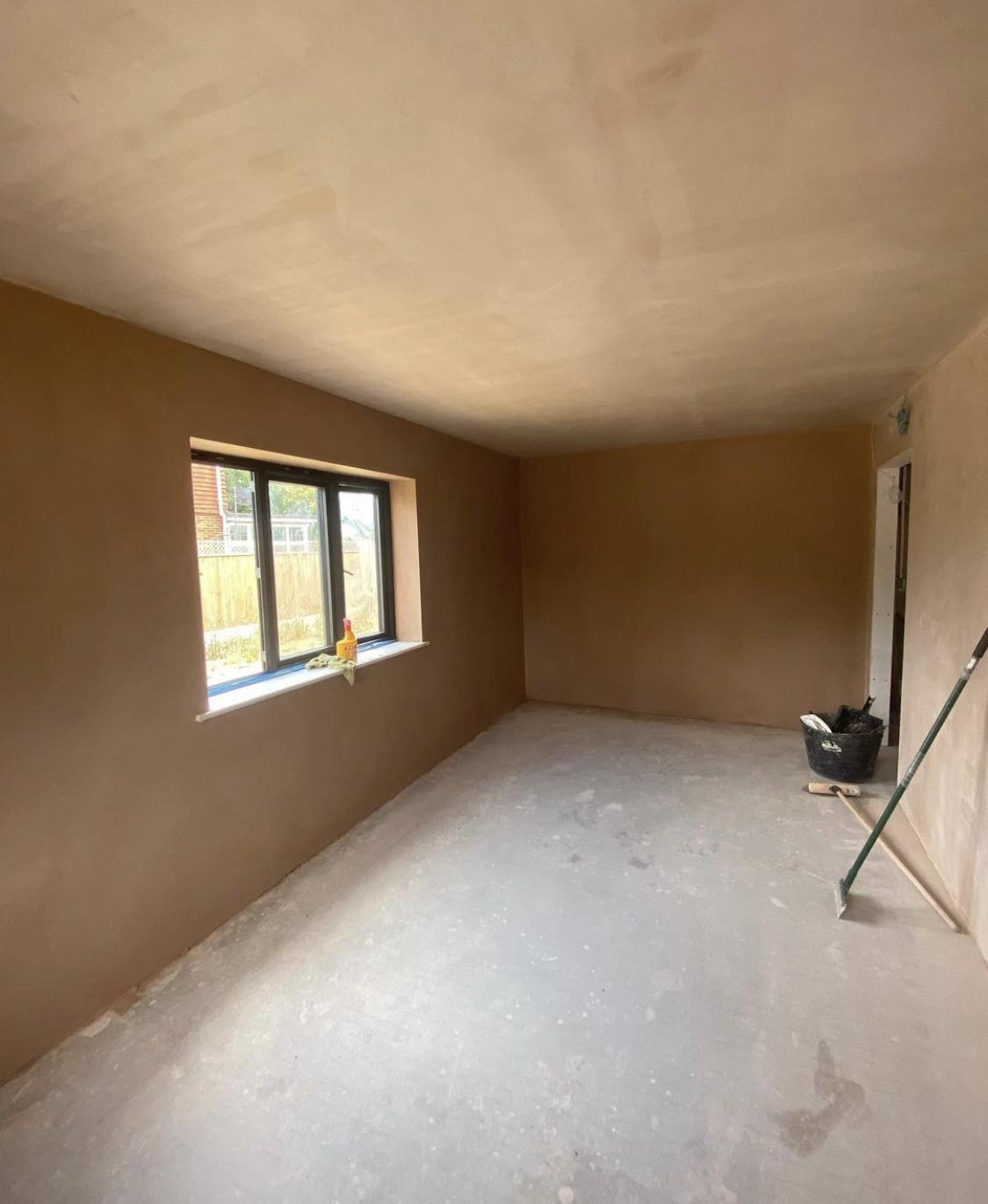
On walls like these, we check what is sound before deciding on a skim. Good lime plaster can be bonded and given a two-coat British Gypsum finish; hollow areas come off and are floated back; ceilings that have dropped are usually overboarded and skimmed. Where original features matter, especially in a listed building, speak to the council before old plaster is removed.
Railway-age terraces and twentieth-century suburbs
By 1874, small terraced houses for tradesmen and labourers filled the area between Triangle Road, Sussex Road and Franklynn Road, and later in the century semi-detached houses went up along Sussex Road, Wivelsfield Road and Gower Road. The suburbs then spread outwards: Gordon Road and Queens Road before the First World War, Bentswood and the streets either side of Franklynn Road by 1947, and later the estates around Harlands Road, Birchen Lane and Fairfield Way. Homes from the middle of the century onwards usually have sound gypsum plaster or plasterboard that needs a fresh skim rather than anything structural, sometimes under a textured ceiling; our page on Artex ceilings plastered flat in Haywards Heath covers those.
Extensions and newer homes
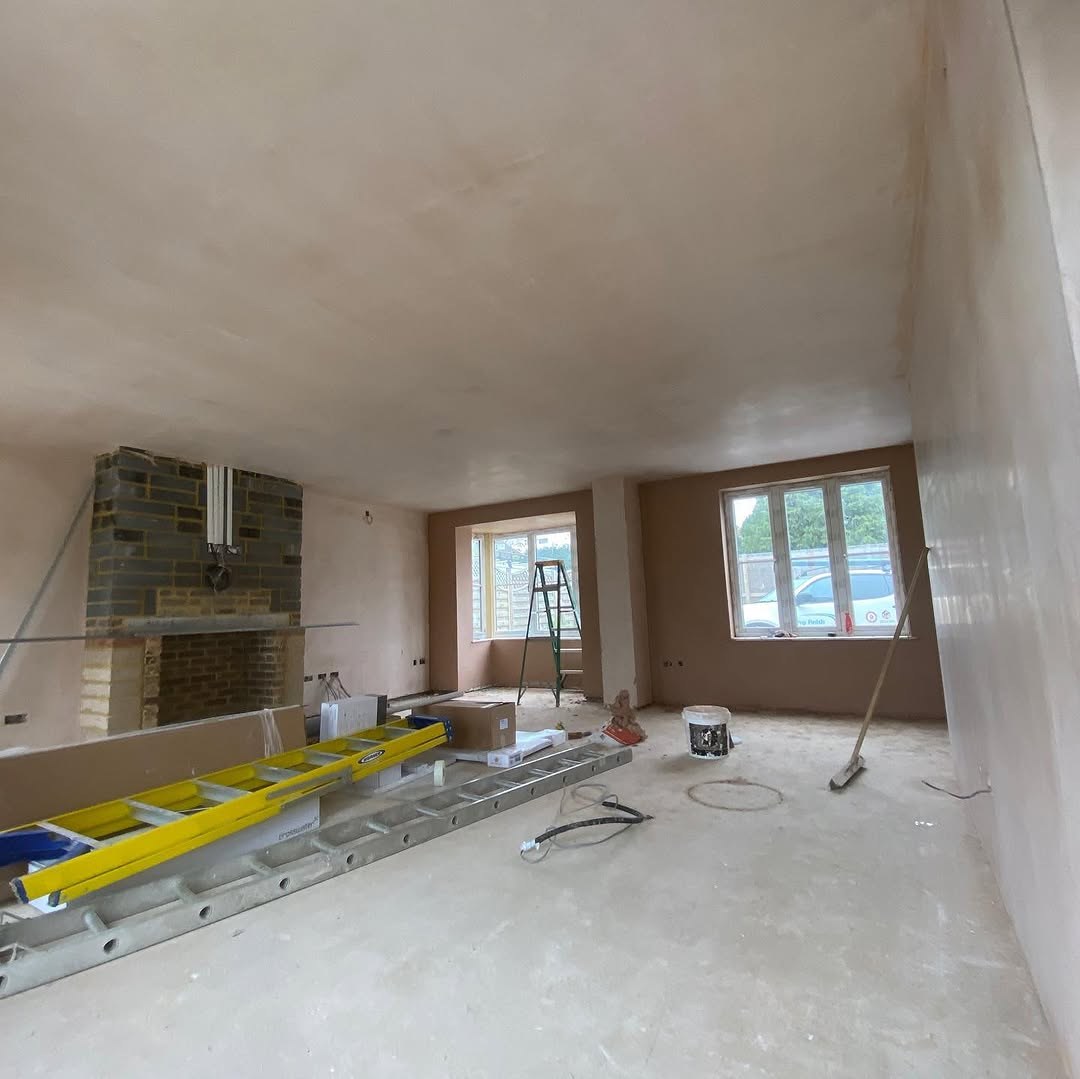
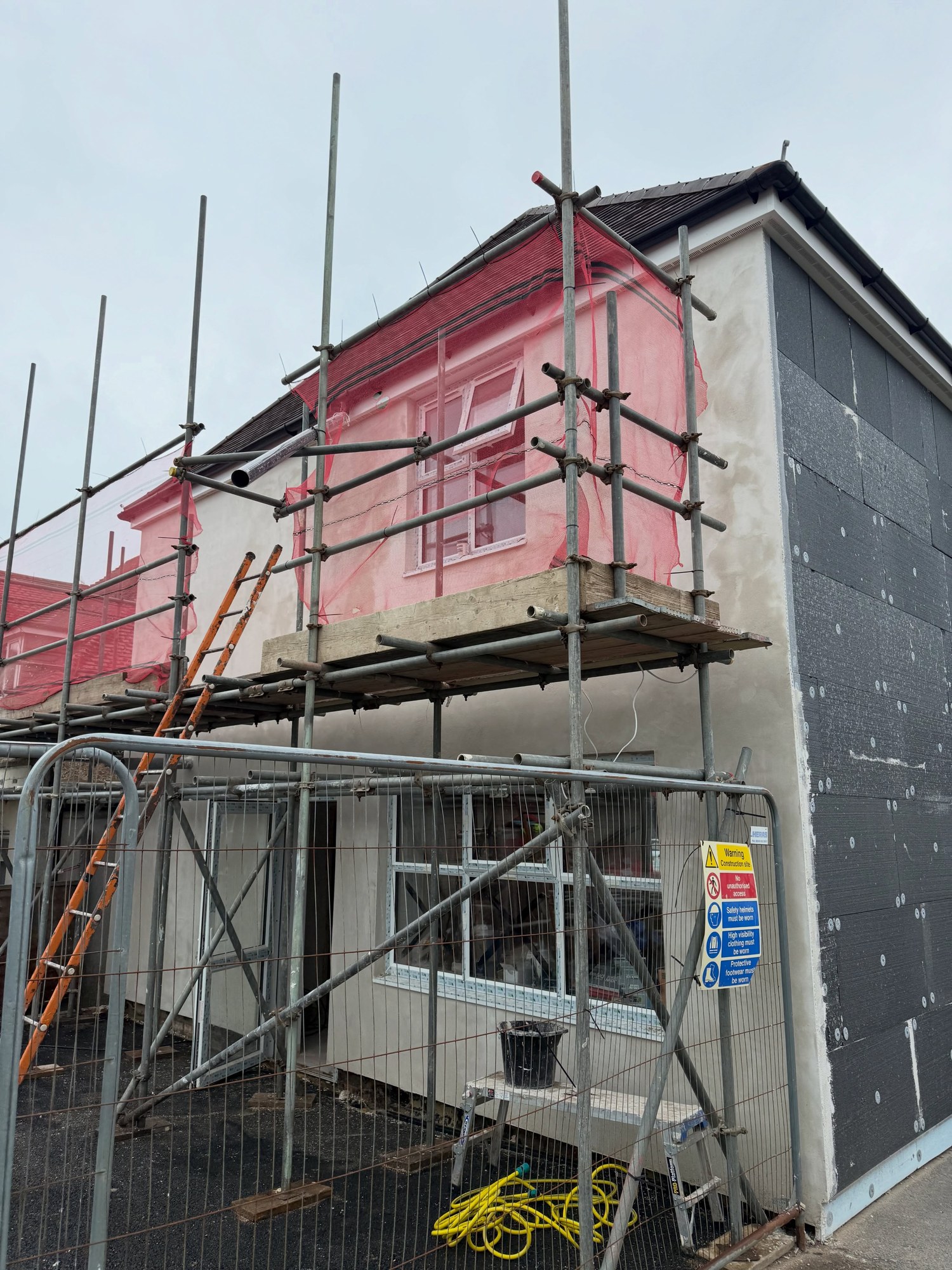
Extensions bring their own plastering. New blockwork needs floating before it is skimmed, which is explained on float and set plastering in Haywards Heath; new stud walls and ceilings are boarded and skimmed. Getting the two-coat finish flat across the join between the old house and the new room is the detail that shows.
Getting ready for the plasterer
- Finish electrics and plumbing first, so nothing is chased into new plaster.
- Clear the room, or at least the walls, and tell us about anything fragile you cannot move.
- In older villas, mention any cracks that come and go with the seasons, so we can look at them properly.
- Plan decorating for when the plaster has dried evenly pale, not before.
You can read about our plastering and skimming service in more detail, or see everything we cover in Haywards Heath. Call 07824 165672 for free, no-obligation advice.