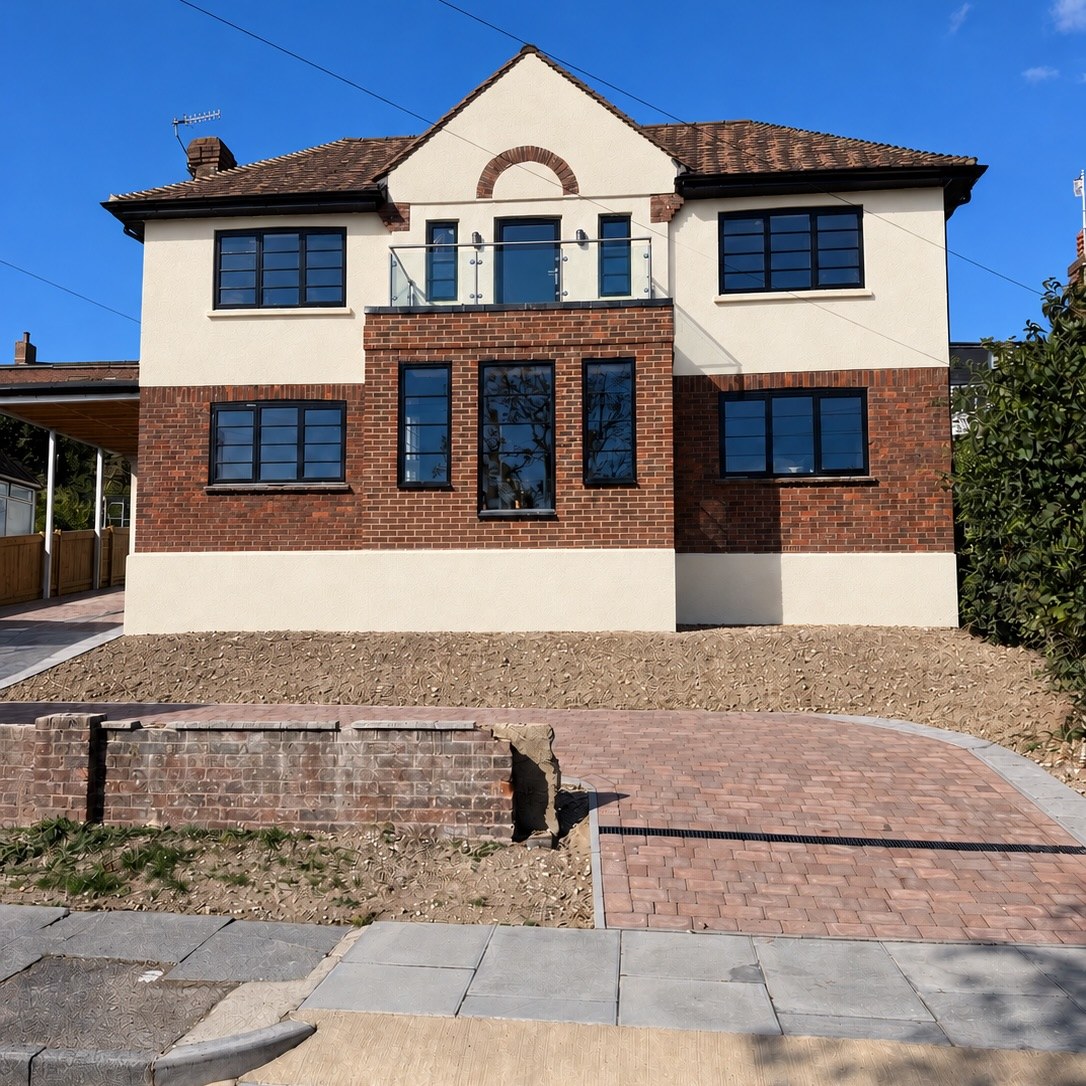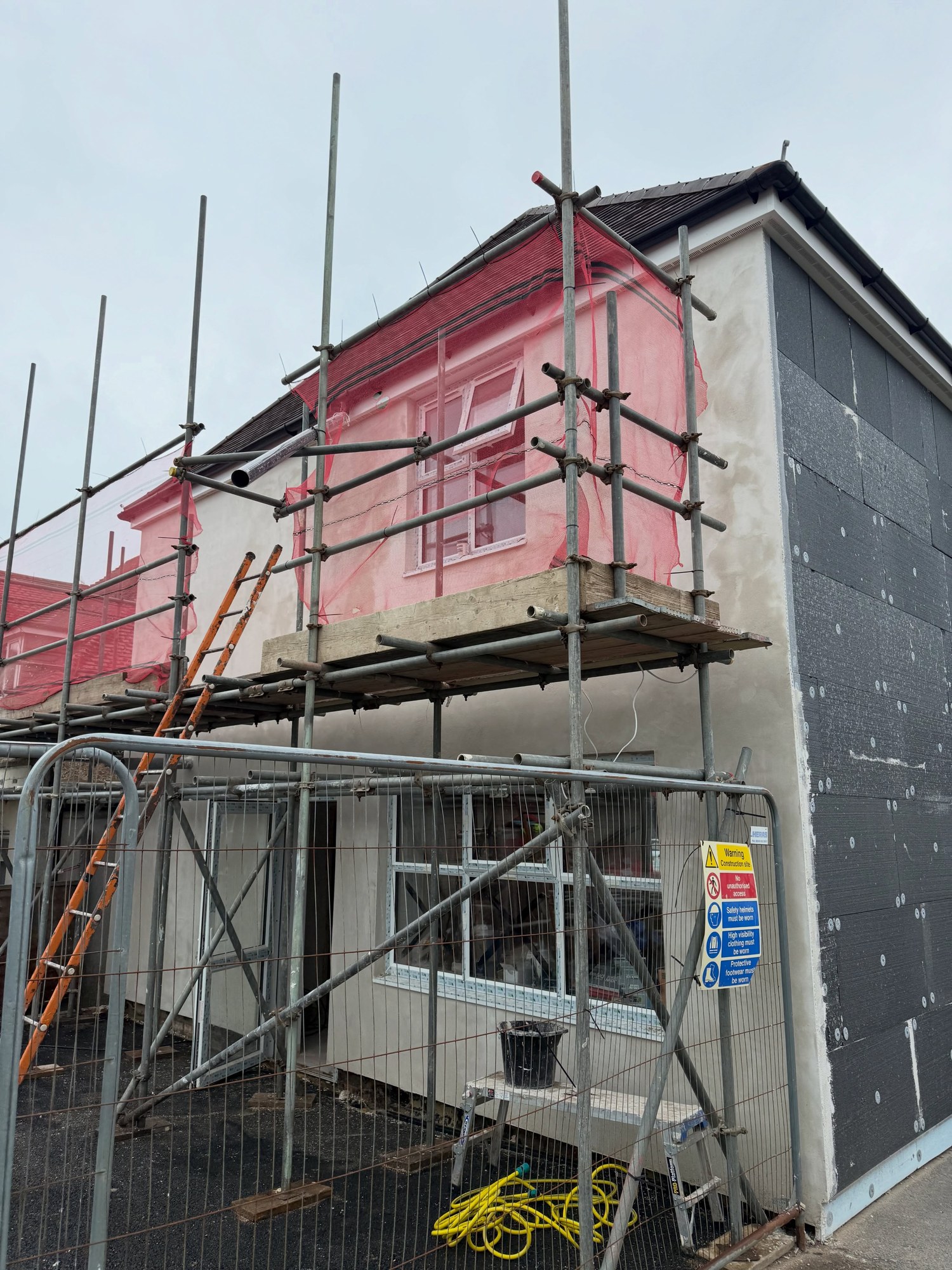
Ask ten Worthing homeowners what is under their wallpaper and you will get ten answers. The town was a small fishing hamlet until wealthy visitors started arriving in the eighteenth century, then grew in waves: stuccoed terraces near the Steyne and Park Crescent, villas around Shelley Road and in Heene from the 1880s, rows of small terraced houses between Tarring Road and the Teville stream, and then a huge spread of interwar and post-war housing in Goring, Durrington, Broadwater and Findon Valley. Each era left a different background for a plasterer to deal with, and the right preparation depends on which one you live in.
What sits behind the paint in different parts of town
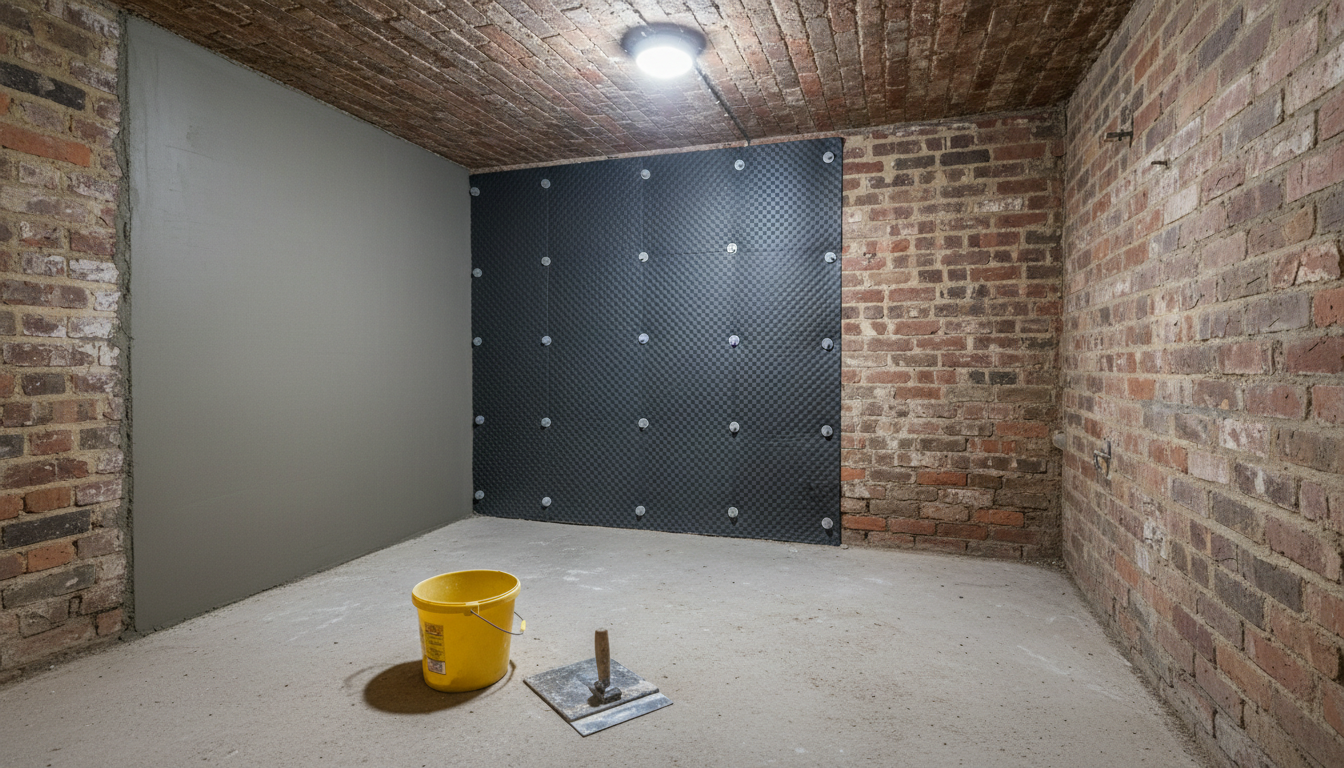
The Victorian and Edwardian villas of Heene and West Worthing are of an age when walls were usually solid masonry, finished in lime or early gypsum plaster that has since been patched many times. A fresh skim can work well once loose areas are cut out and made good, but a wall that sounds hollow across most of its face needs taking back and floating instead, which is covered on our float and set page for Worthing.
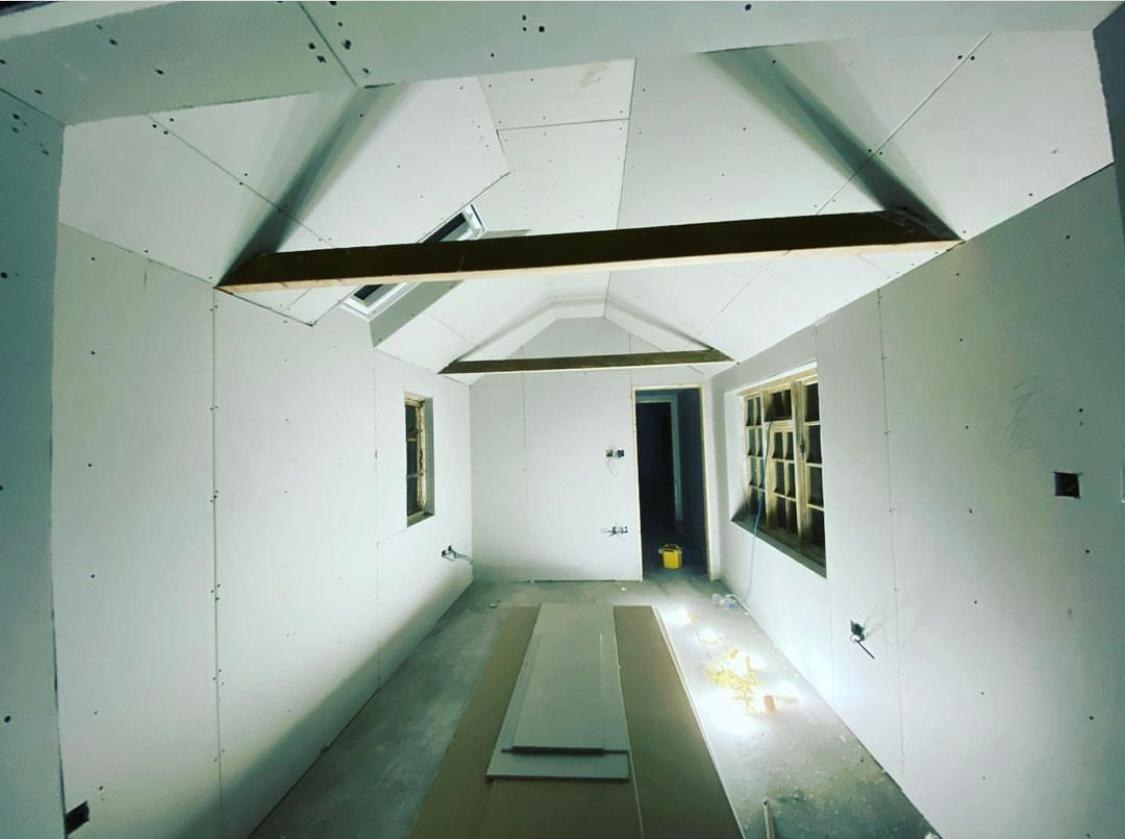
The interwar houses and bungalows of Offington, Charmandean and Findon Valley usually have harder plaster that takes a two-coat skim well, although ceilings of that period can still be lath and plaster and are worth checking for sagging first. The 1950s to 1970s homes around Durrington and Goring are where plasterboard and textured ceilings become common, and a patterned ceiling there is often the first thing a new owner wants flattened. Our page on plastering over Artex in Worthing explains the safety check that should come first.
Flats, lettings and rooms in between tenants
A lot of Worthing's larger suburban houses were divided into flats after the war, and the seafront terraces are now mostly flats as well. For landlords that usually means walls marked by years of picture hooks, shelving plugs and filler, or ceilings stained by a leak from upstairs. Skimming a room between tenancies is a sensible reset: holes and cracks are filled, corners are beaded, and a two-coat finish using British Gypsum plasters gives a surface that takes paint cleanly. Pro Finish Plastering works for landlords and letting agents as well as homeowners, and on building sites for builders and developers.
A typical skim, start to finish
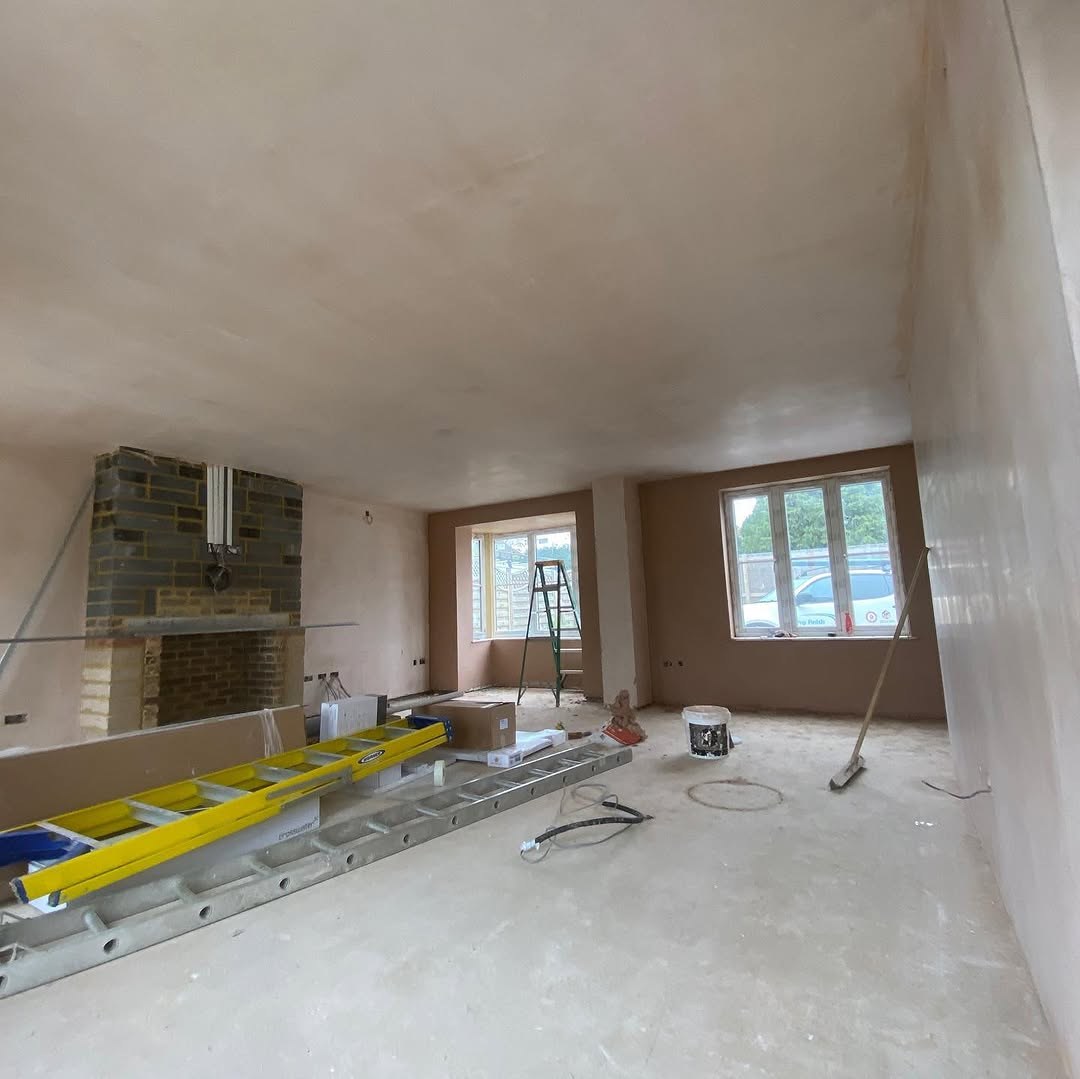
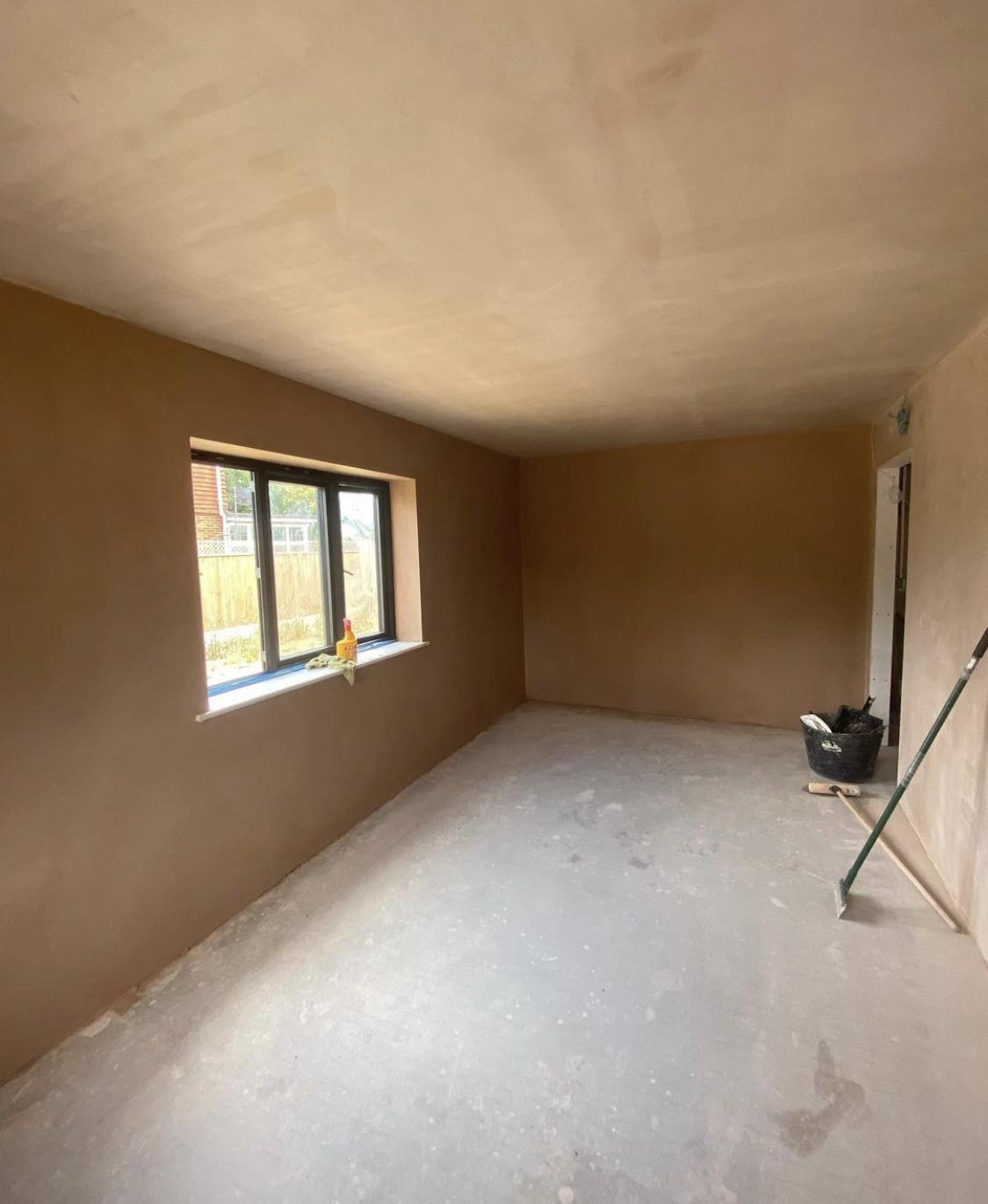
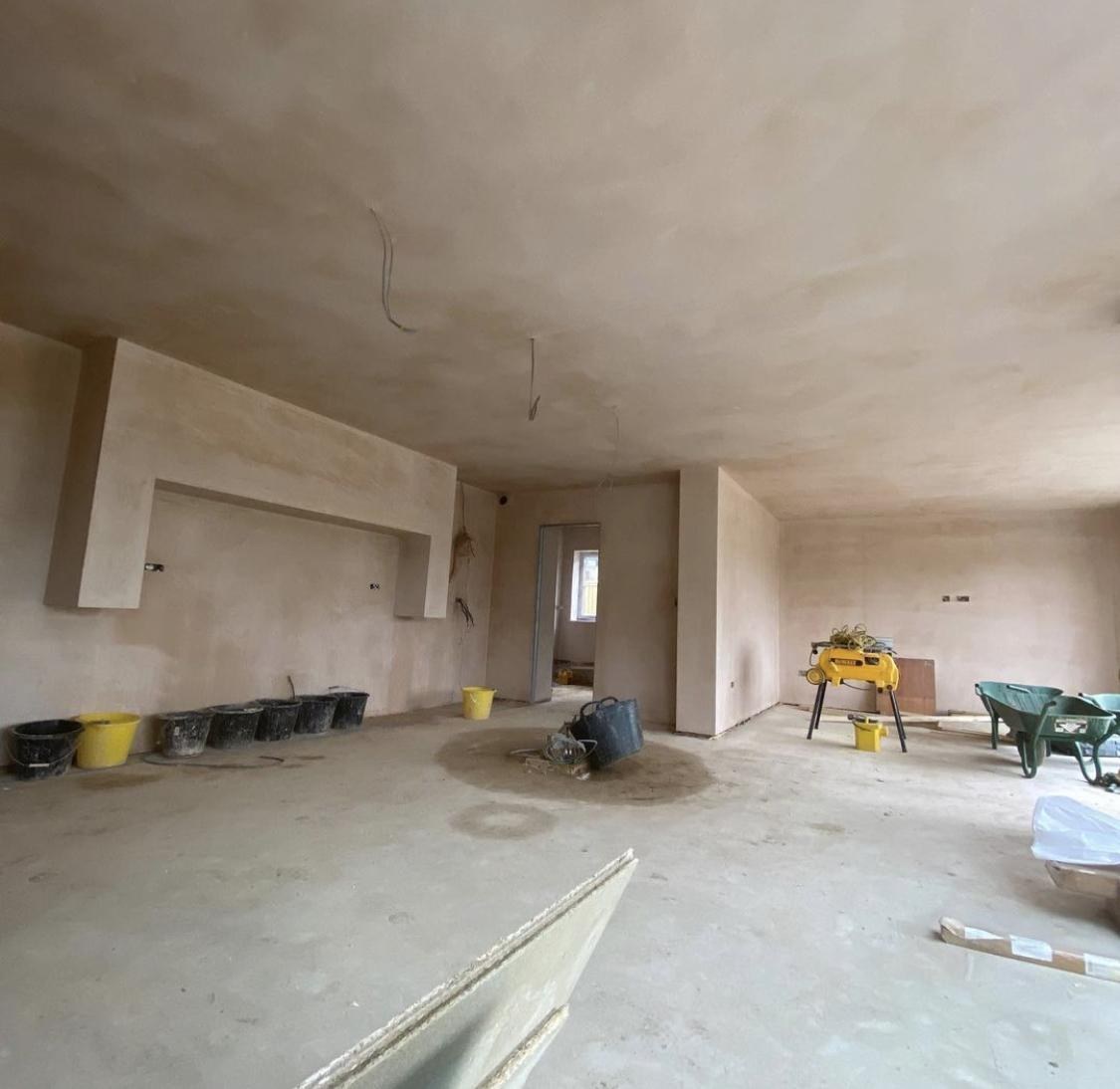
On the day, floors and furniture are covered and sockets and switch plates are loosened so the finish can run behind them. Any blown patches are cut back to a firm edge and filled, and a bonding coat goes onto anything shiny or very absorbent. The first coat goes on and is flattened, then the second is applied and trowelled until it closes up smooth. The result needs time to dry: on a solid wall in a cold month that can take noticeably longer than on fresh board in an extension, and it is ready for a diluted first coat of emulsion once it has gone an even pale pink.
Before you call
A few things make a quote quicker and more accurate:
- photos of each wall or ceiling, taken in daylight, with a light fitting or doorframe in shot for scale
- whether the house is in one of Worthing's conservation areas or is listed, because work to a listed interior can need consent
- any damp stains, since plastering over an active damp problem will not last
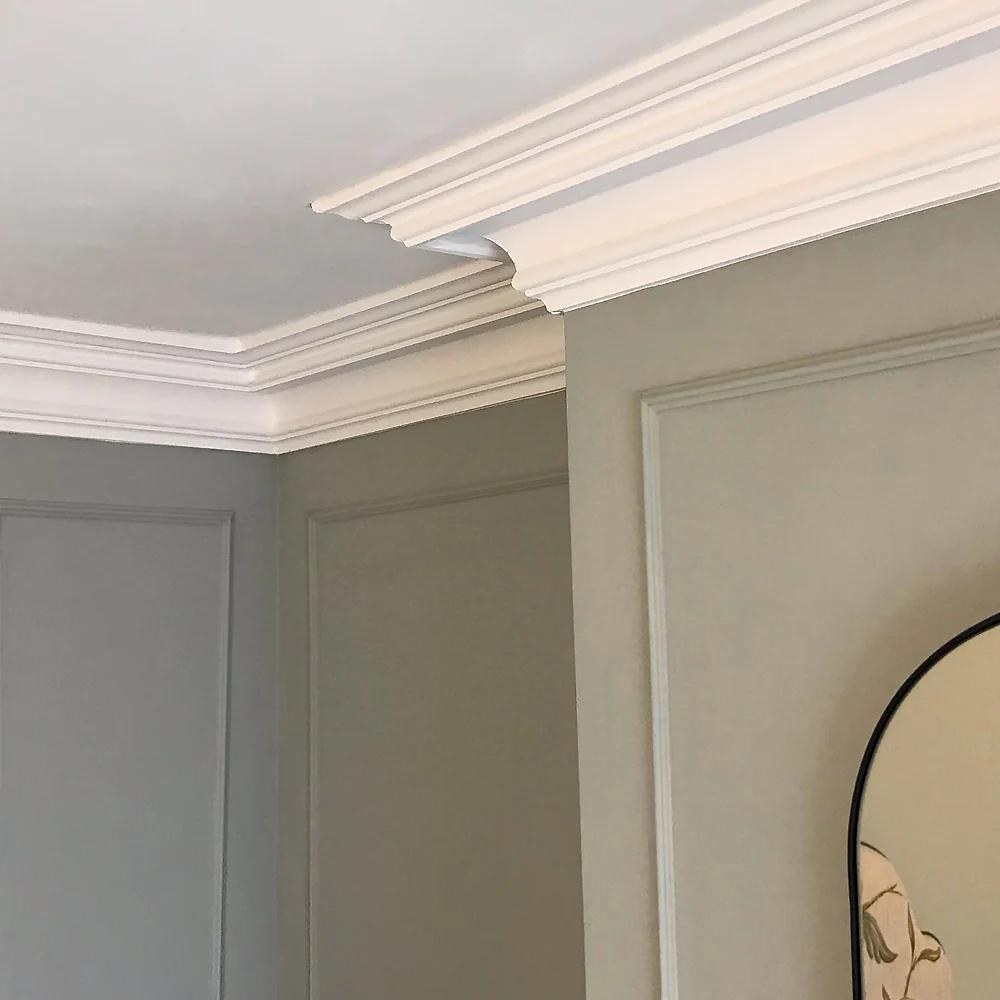
- whether coving, cornice or a ceiling rose needs to come down or stay up
Quotes and advice are free and carry no obligation. Call 07824 165672, or see the full range of plastering and skimming work and the other services we offer across Worthing.