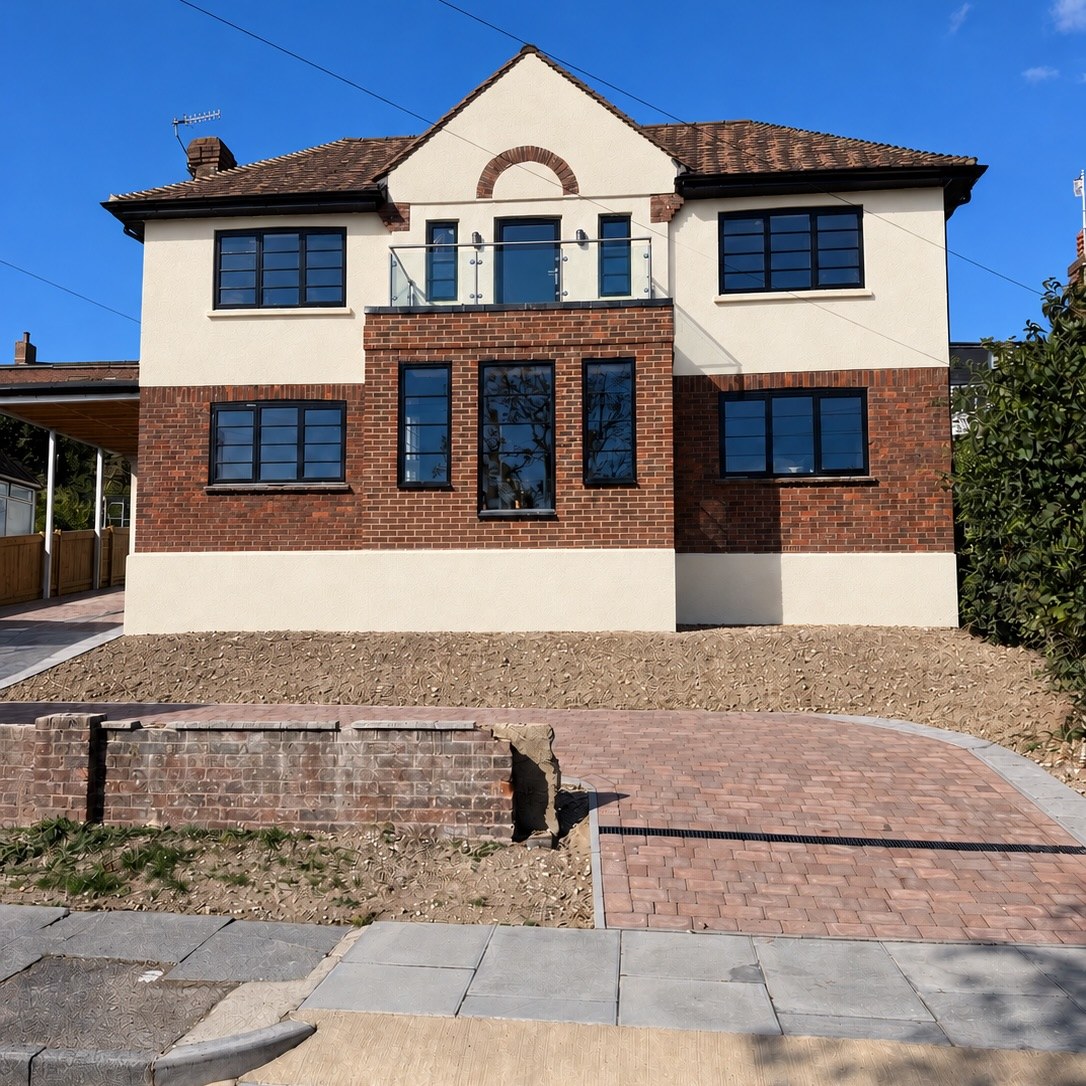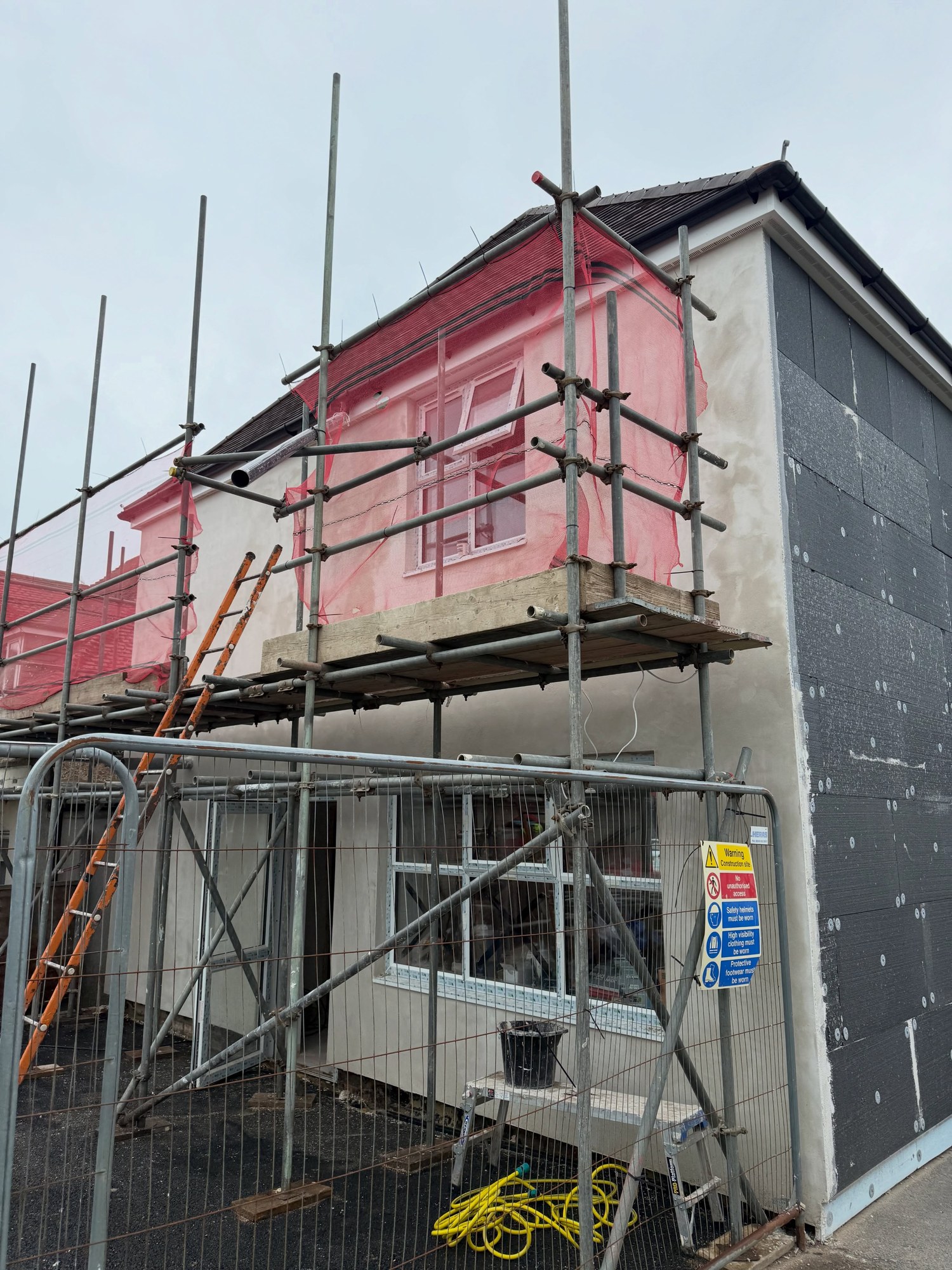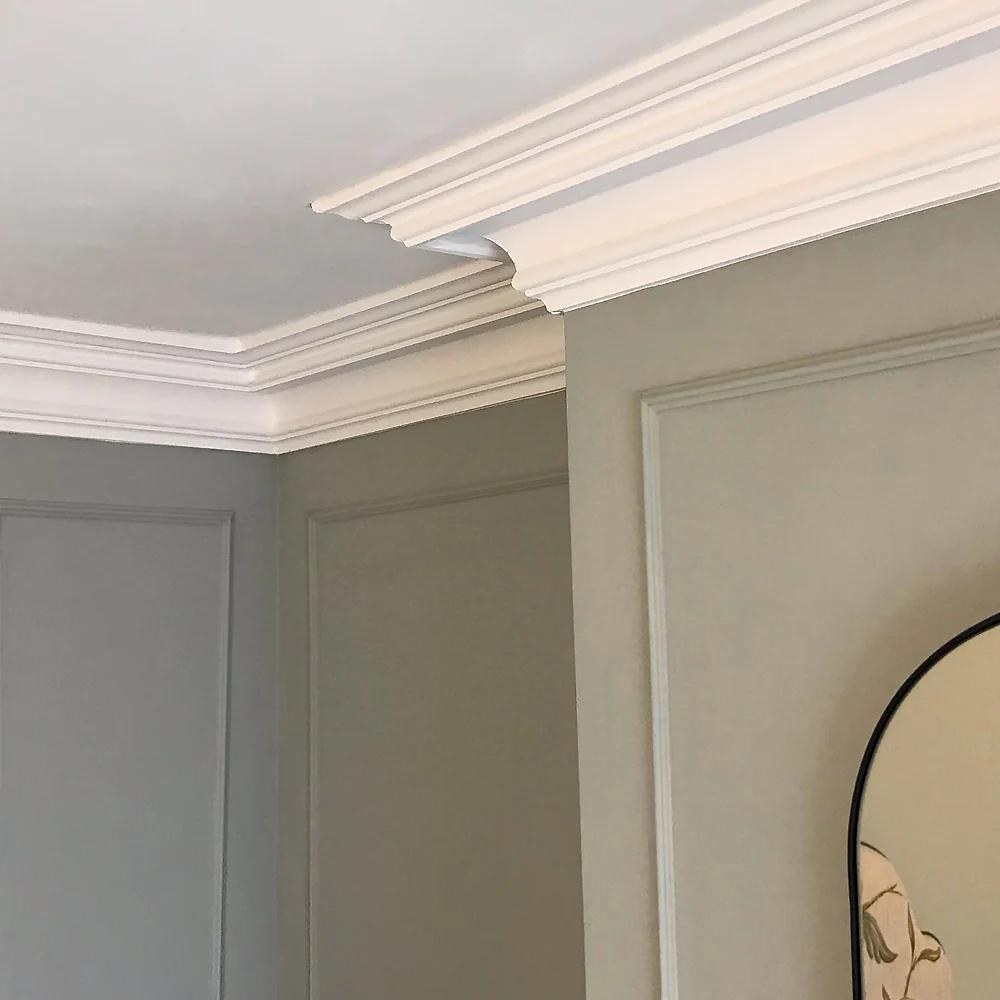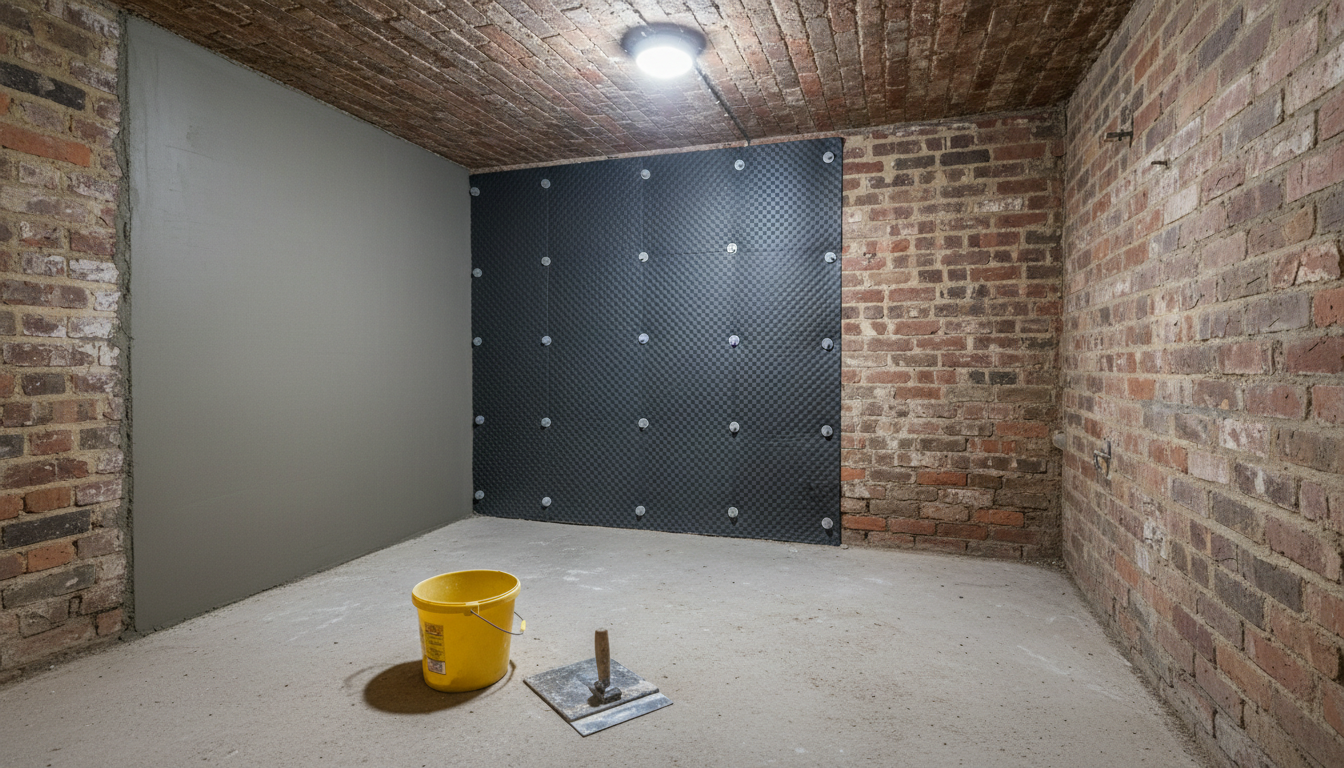
Strip the plaster off a few Worthing walls and you can read the town's history in the masonry. The oldest village cores, such as West Tarring, Broadwater and Goring, are built from flint gathered from the downs and the beach, often with red or yellow brick around the openings. Some smaller terraces near the town centre were partly faced in cobbles. Pale yellow bricks have been made locally since around 1780, and the later Victorian streets turned to red brick. Most new walls today are concrete block. All of those can be floated and set, but not all in the same way.
Flint, cobble and old brick
Flint walls are irregular by nature, with deep hollows between the stones and joints of soft lime mortar. In some West Tarring houses the medieval timber frame was later refaced in flint, brick or render, so a single room can contain more than one kind of background. On walls like these the backing coat is built up in layers rather than slapped on thick, and the materials are chosen with the wall's need to dry out in mind. A dense, waterproof backing on a damp flint wall tends to push moisture sideways and upwards, which is how new plaster ends up blistering a year later. That conversation happens before anything is mixed.
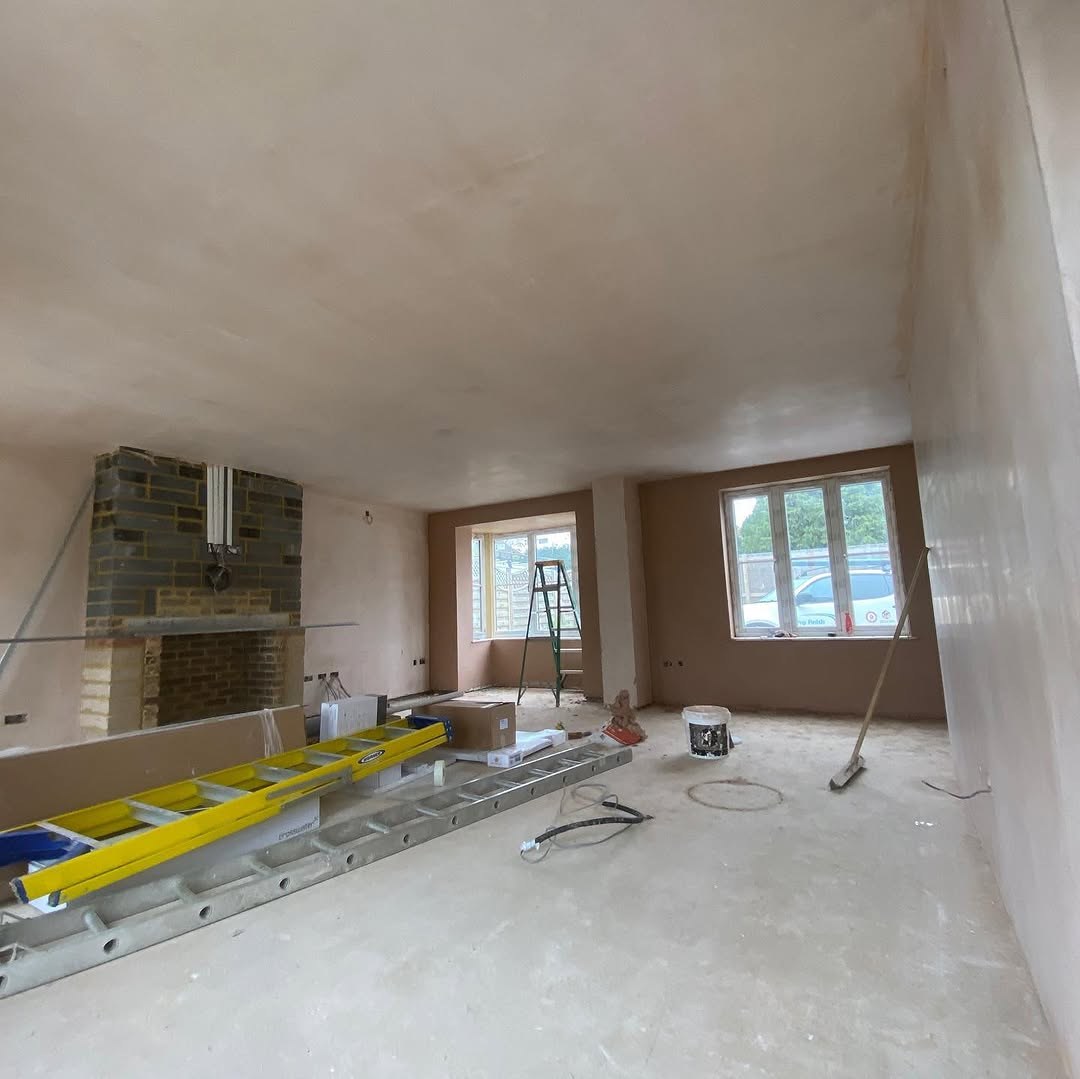
The brickwork of the Victorian and Edwardian houses in Heene, around Shelley Road and between Tarring Road and the Teville stream is more even, but those walls have usually been patched, chased and re-chased for wiring, gas and heating over a century or more. Floating them out again gives a true, solid wall that holds shelves and radiators firmly.
When the old plaster has to come off
Walls get taken back to the masonry for a handful of reasons: plaster that has blown from the wall and sounds hollow across a large area, plaster contaminated by salts after damp, a removed chimney breast, or a new opening knocked through between rooms. If damp was the reason, the cause has to be found and dealt with first, or the new plaster will fail the same way; our damp proofing work in Worthing starts there. Once the wall is clean and sound, beads are fixed to corners and openings, the background is dampened or primed so it does not suck the water out of the backing coat, and the float goes on and is ruled off with a straight edge.
New blockwork in extensions
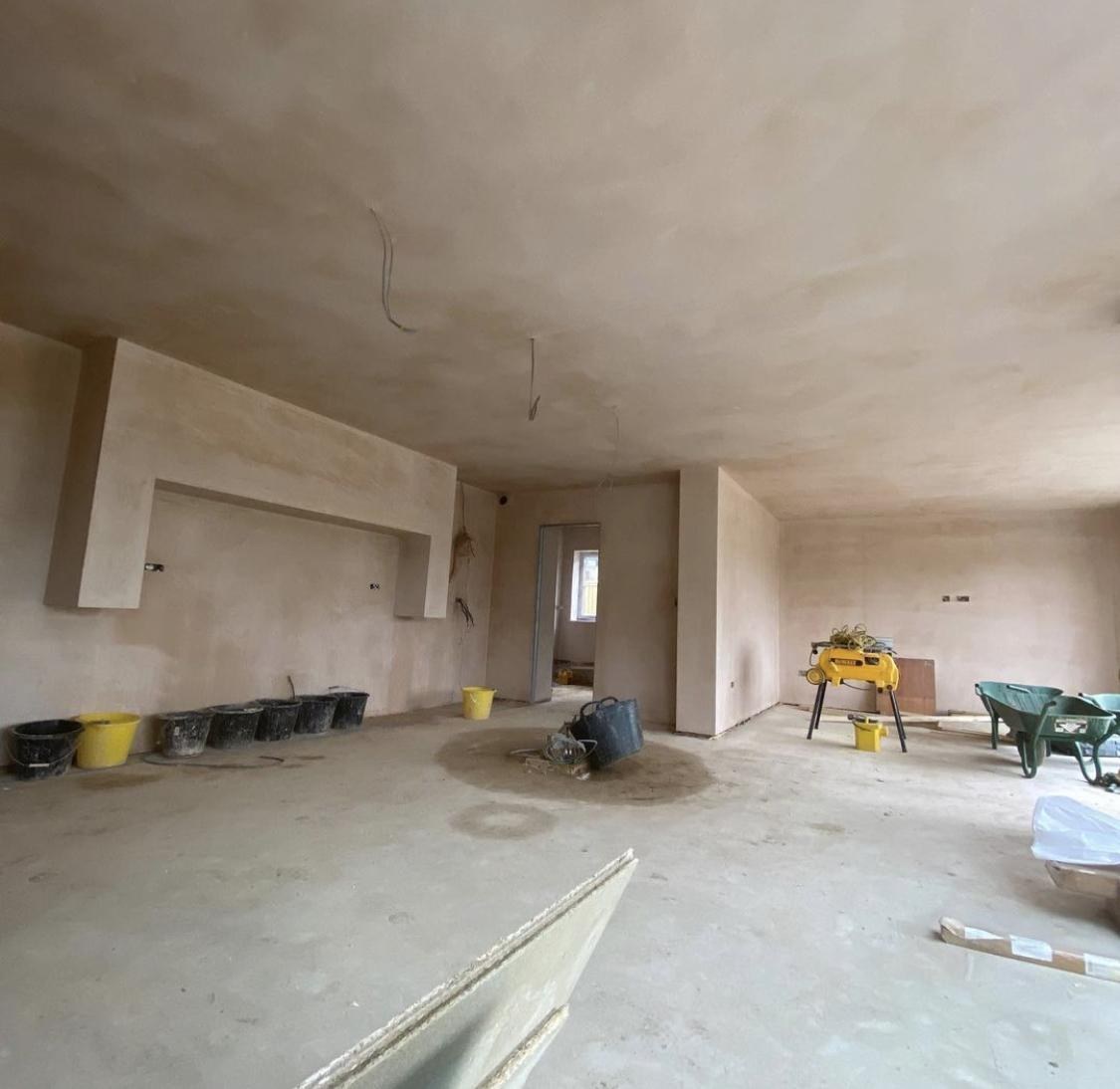
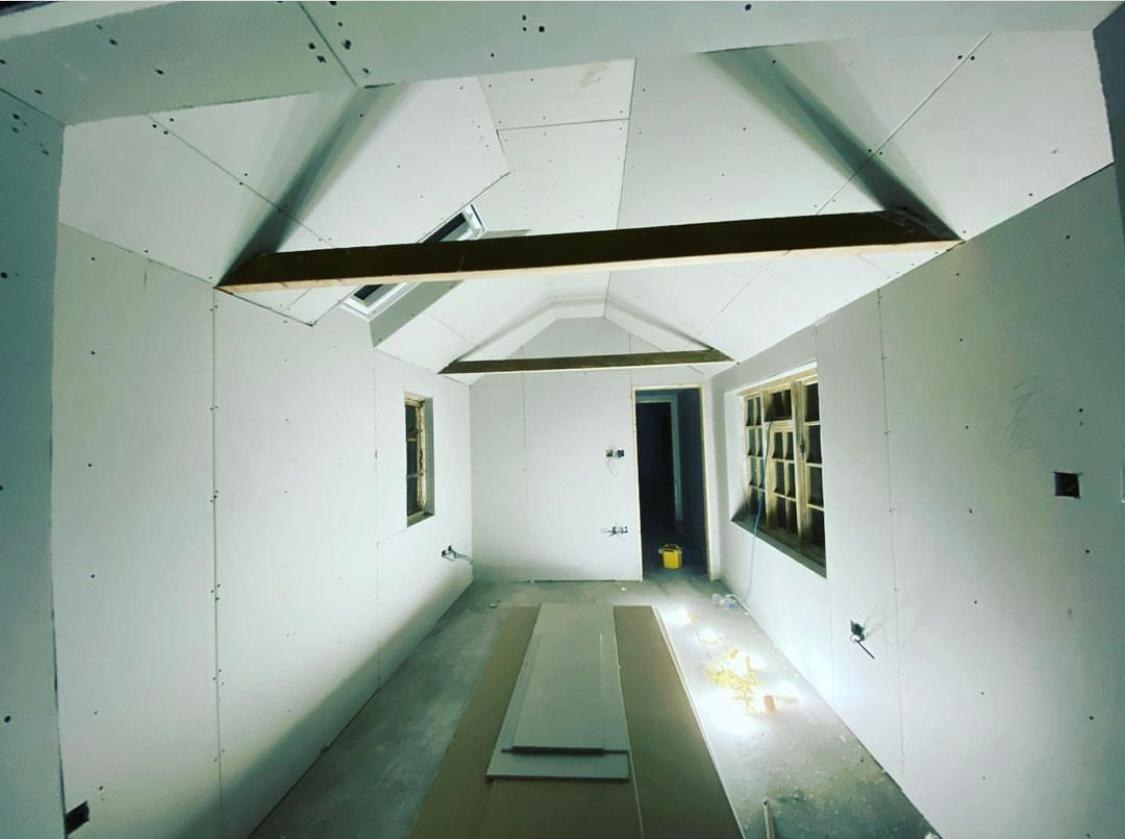
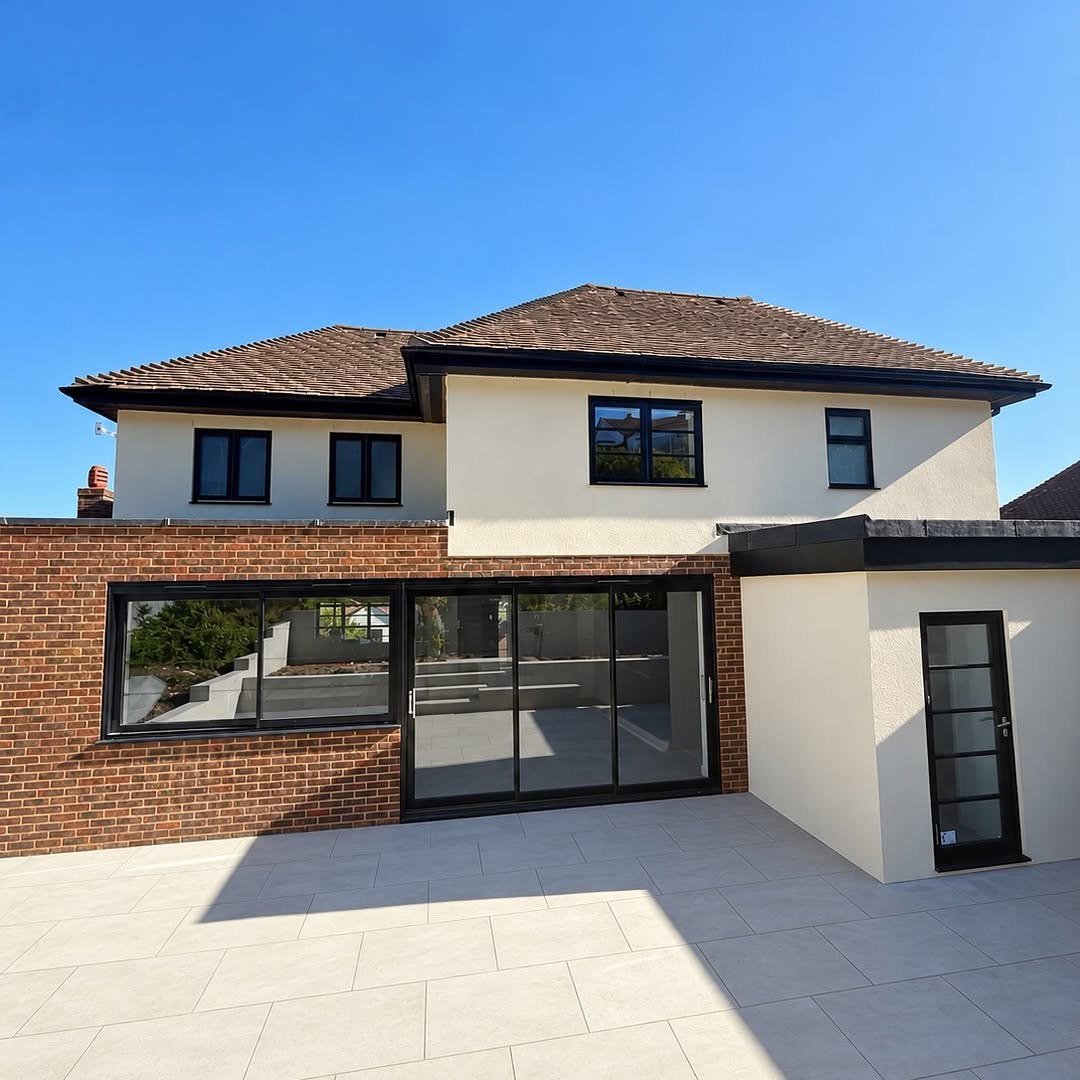
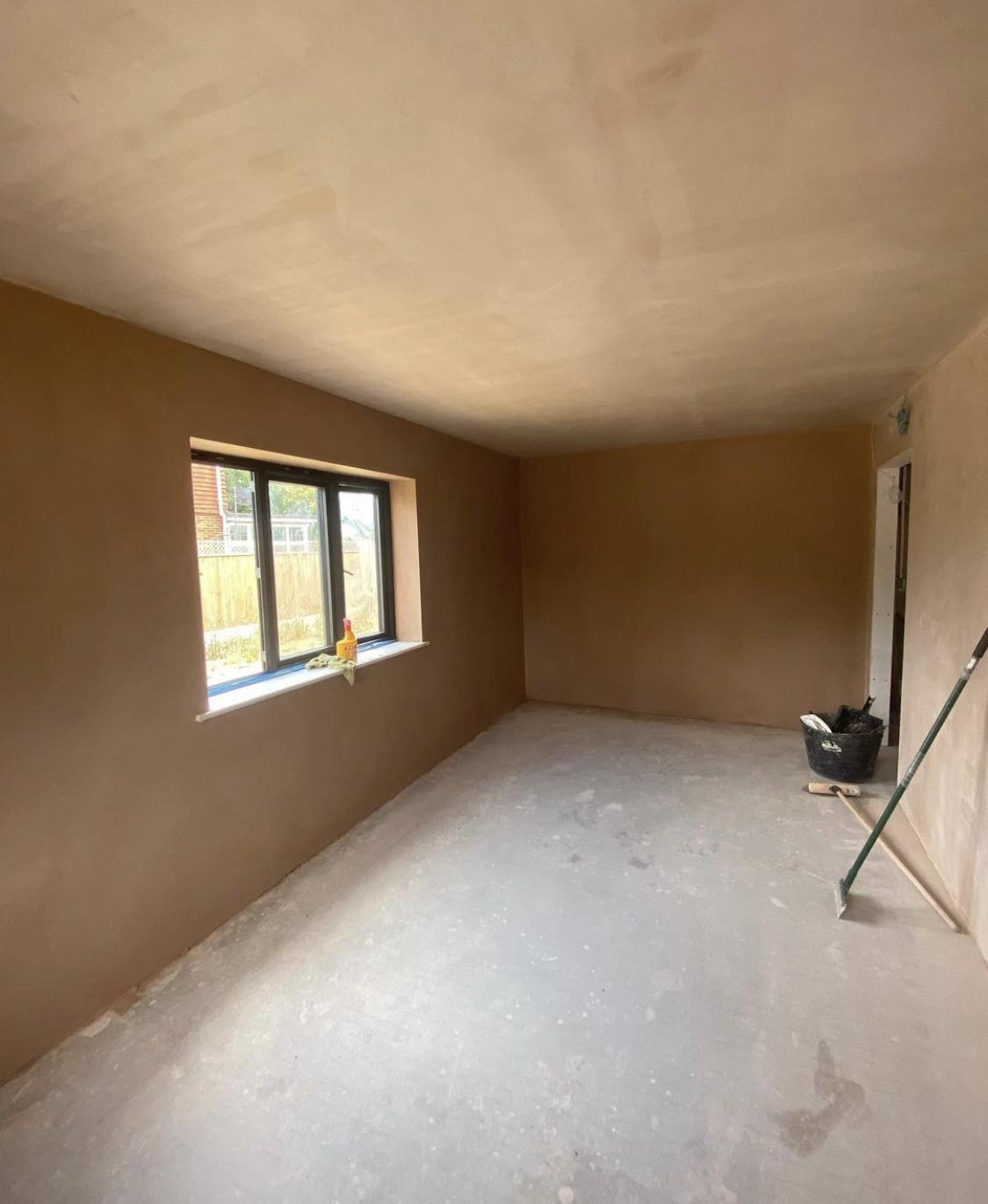
Rear extensions on interwar houses in Offington and Goring, or on post-war houses in Durrington, are usually built in block. Those walls can be dry lined, but floating them gives a harder surface that copes better with knocks in a kitchen or utility room. The float is keyed while still green, then the set coat is laid on and trowelled to a smooth finish. If speed matters more than toughness, plasterboarding and dry lining in Worthing is the alternative, and we can talk through which suits each wall.
Giving solid plaster time
A floated wall holds far more water than a skim, and Worthing's wettest months, from October to December, slow drying further. Heat the room gently, keep a window ajar, and wait until the whole wall has turned an even pale colour before painting. Rushing it with high heat can crack the surface.
For the method in full, see traditional float and set plastering, or look at the other services across Worthing. Call 07824 165672 for free advice and a no-obligation quote.