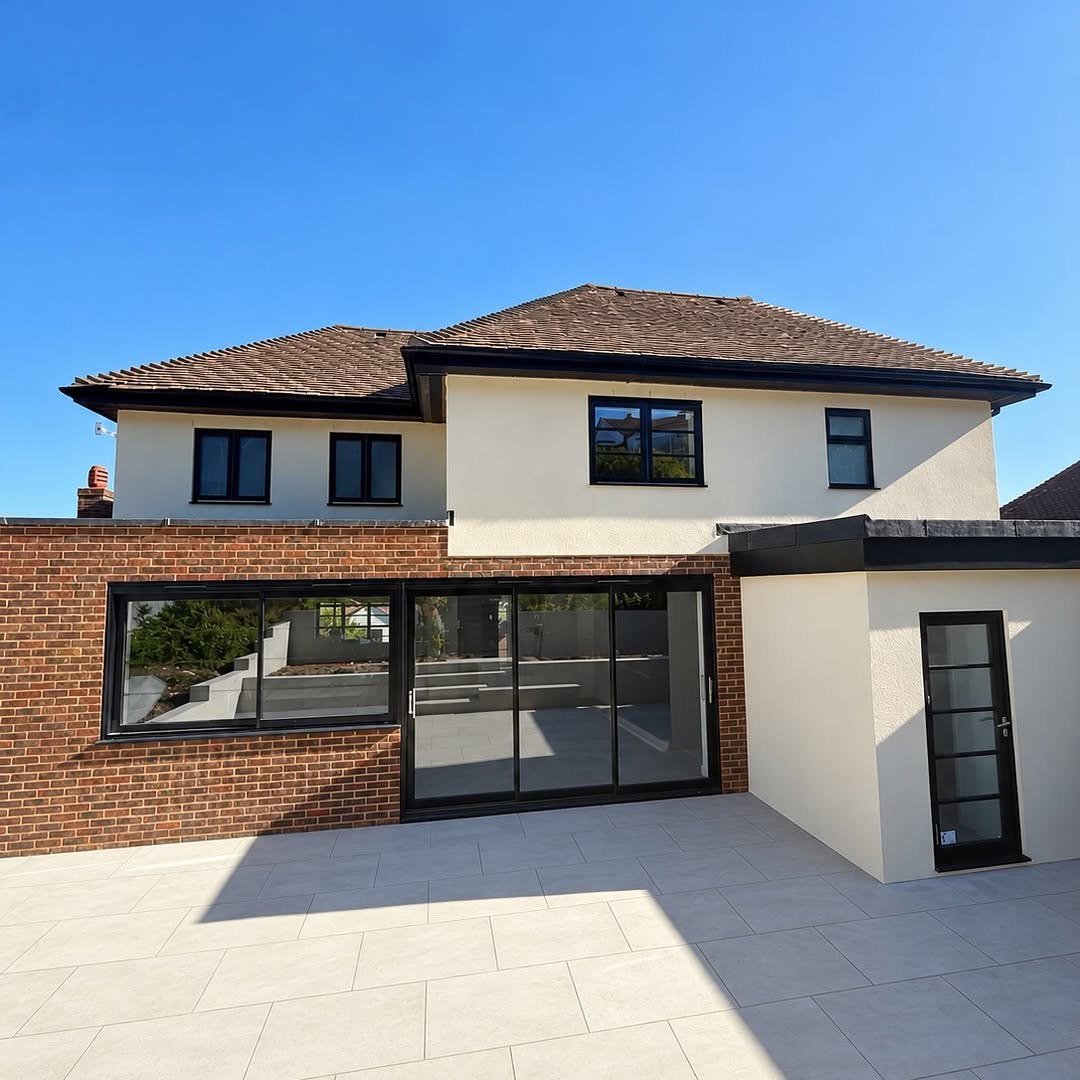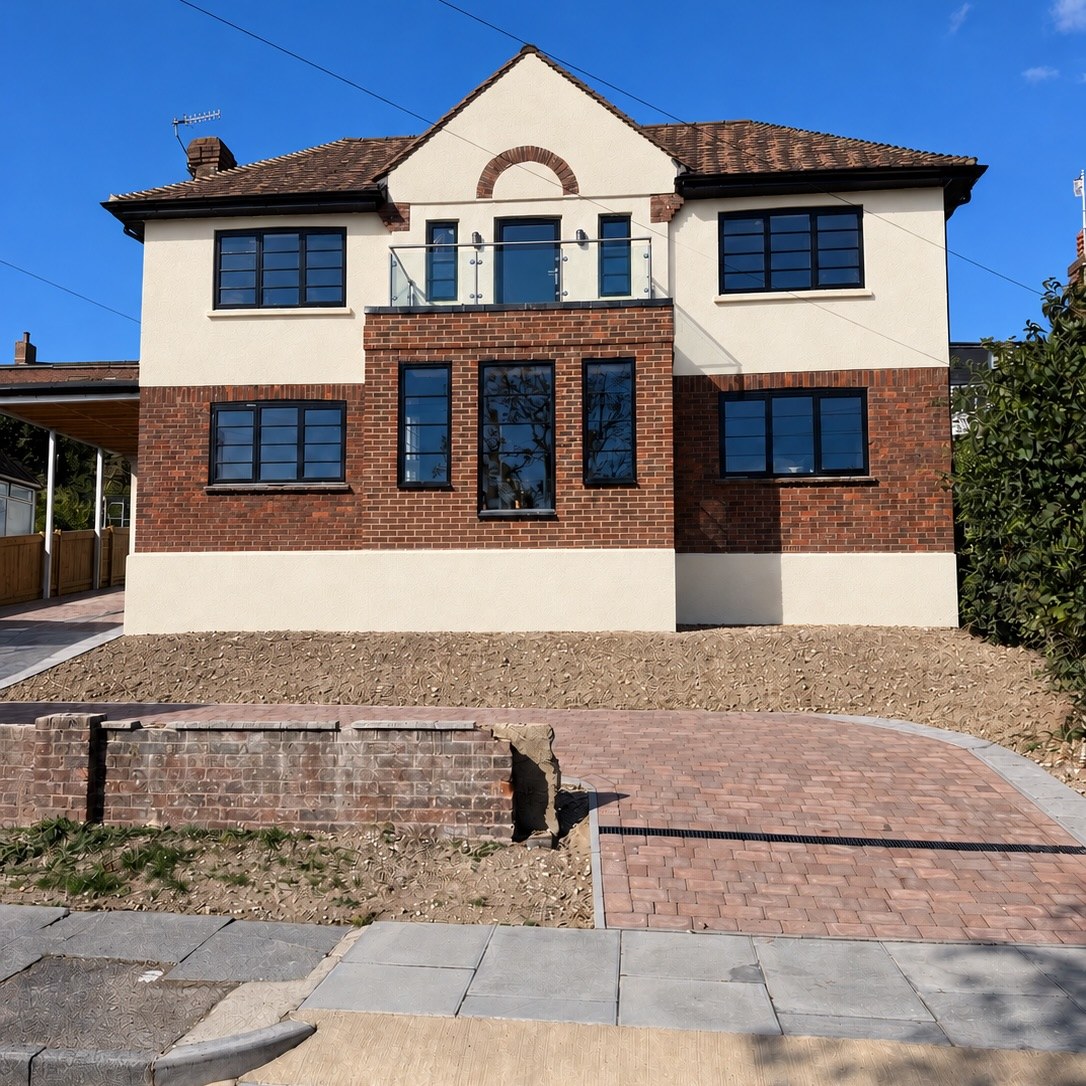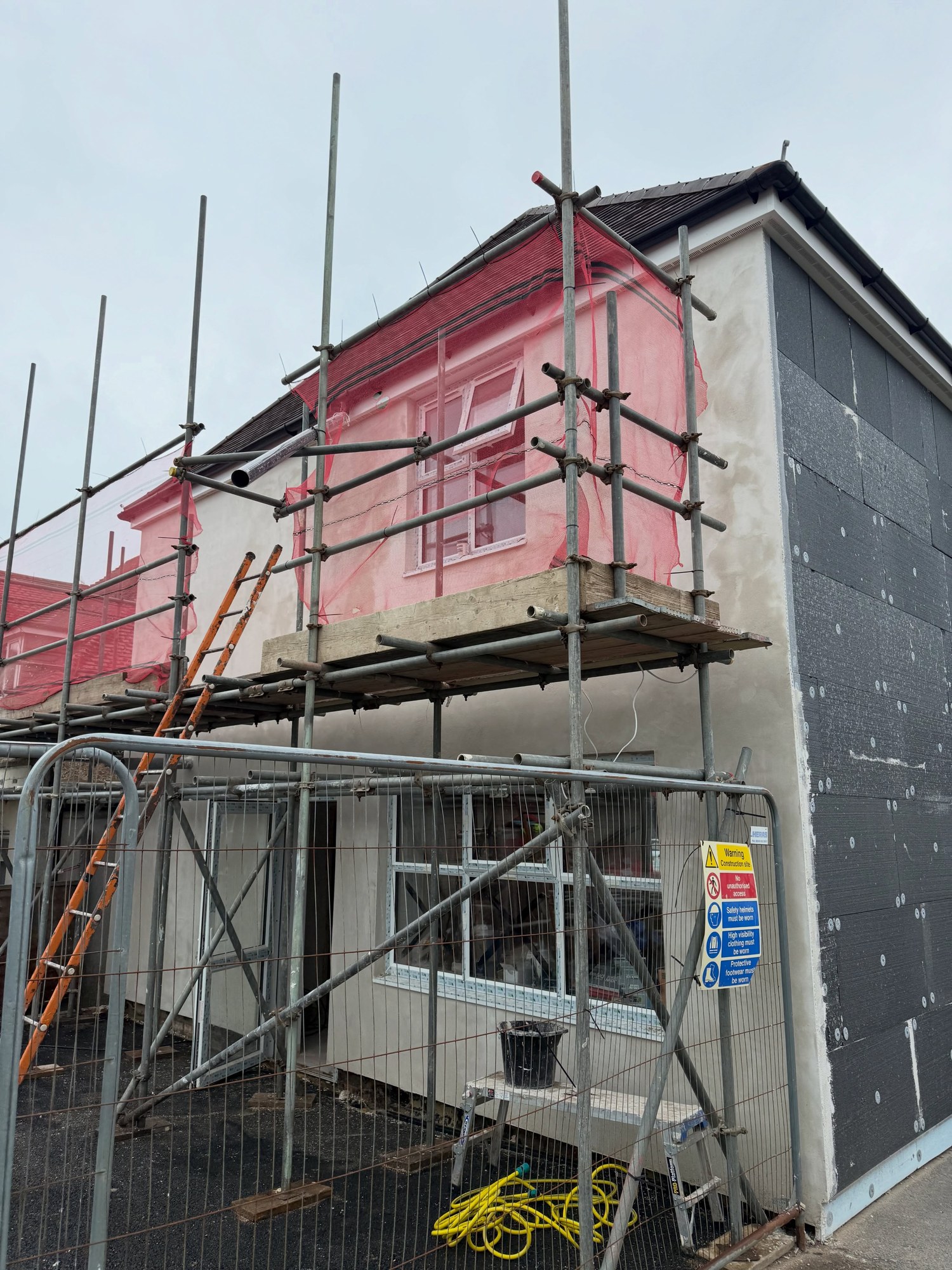
The question with external wall insulation in Worthing is less whether it works and more which houses it suits. Boards bonded and fixed to the outside of a wall, then meshed and rendered, add real thickness to every elevation. On a detached post-war house in Durrington or a bungalow in Findon Valley there is usually room for that. On a stuccoed Regency terrace built right up to the pavement, or a flint cottage in a conservation area, it is a very different conversation.
Houses that are good candidates
Walls that lose the most heat are solid ones, with no cavity to fill. In Worthing those are mostly the older houses: Victorian and Edwardian brick villas in Heene and around Shelley Road, the small terraces between Tarring Road and the Teville stream, and earlier flint buildings in the old village centres. Later homes with cavity walls may already be insulated, and if not, filling the cavity is often simpler. Post-war houses with plain rendered or pebble-dashed fronts and generous eaves are often the most straightforward to wrap, because there are few mouldings to recreate and space at the roofline to carry the new thickness. Detached and semi-detached homes also have more wall to work on than a mid-terrace, so the comfort gained is easier to notice, and the scaffold can usually go up without crossing a neighbour's garden.
Terraces at the back of the pavement
A feature of central Worthing, noted in the council's own appraisals of areas like Marine Parade and its hinterland, is terraces built hard against the back of the pavement. Adding insulation to a street-facing wall there would project over the public footway, which generally rules it out at the front. Rear and side walls are often still possible, and the front can be insulated from inside instead with insulated plasterboard; our dry lining and insulation page for Worthing covers that. Where houses share a party wall, the new thickness also needs finishing neatly where your wall meets your neighbour's.
Cork render for older solid walls
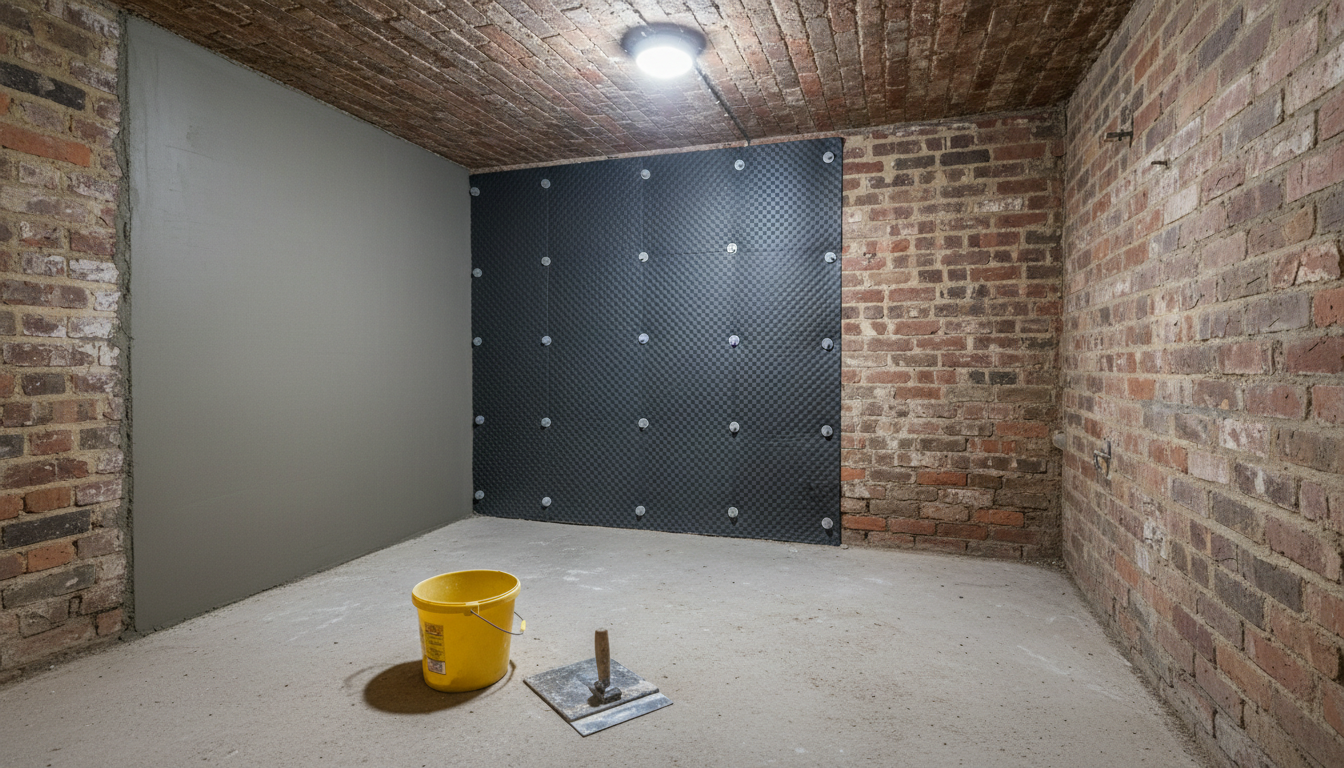
Not every old wall should be wrapped in boards. Flint, cobble and soft brick need to breathe, and sealing them behind non-breathable layers can trap moisture in the masonry. Cork render, a thick coat containing cork granules, adds some insulation while letting vapour move out of the wall. It also fits where a full board system would be too deep around windows, doors and eaves. On a rendered older house outside a conservation area, it can be a sensible middle way between doing nothing and a full board system.
Permissions and details
External insulation changes how a house looks and how thick its walls are, so it can need Building Regulations approval, and planning consent in a conservation area or on a listed building. Worthing has 27 conservation areas and some carry Article 4 Directions, so check with Adur and Worthing Councils before booking. On site, the details decide how well the system performs: sills extended, pipes and meters moved, starter tracks set level and edges sealed. The finish coat is often a through-coloured silicone render in Worthing.
For how the systems go together, see external wall insulation and cork render, and our other services across Worthing. Call 07824 165672 for free, no-obligation advice.