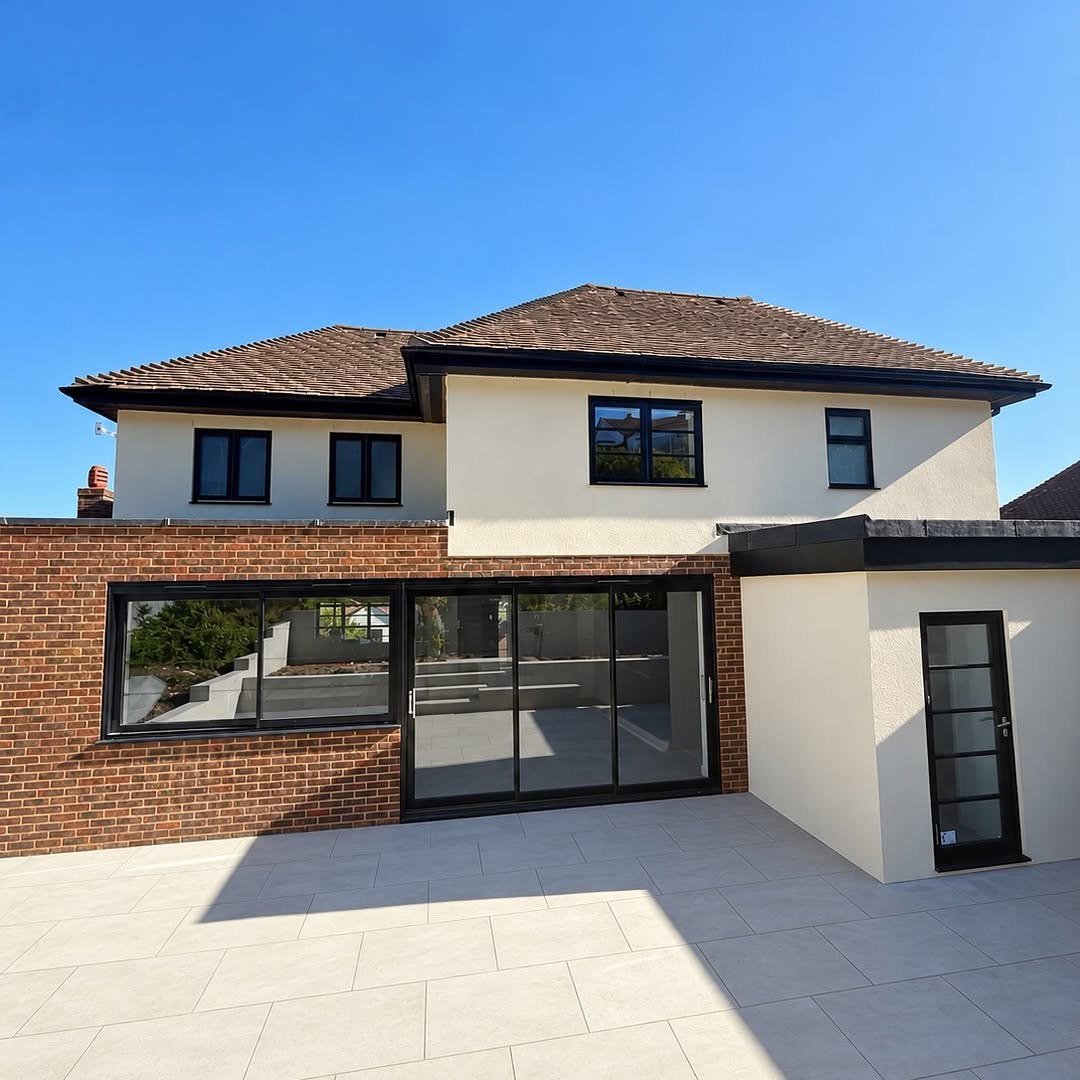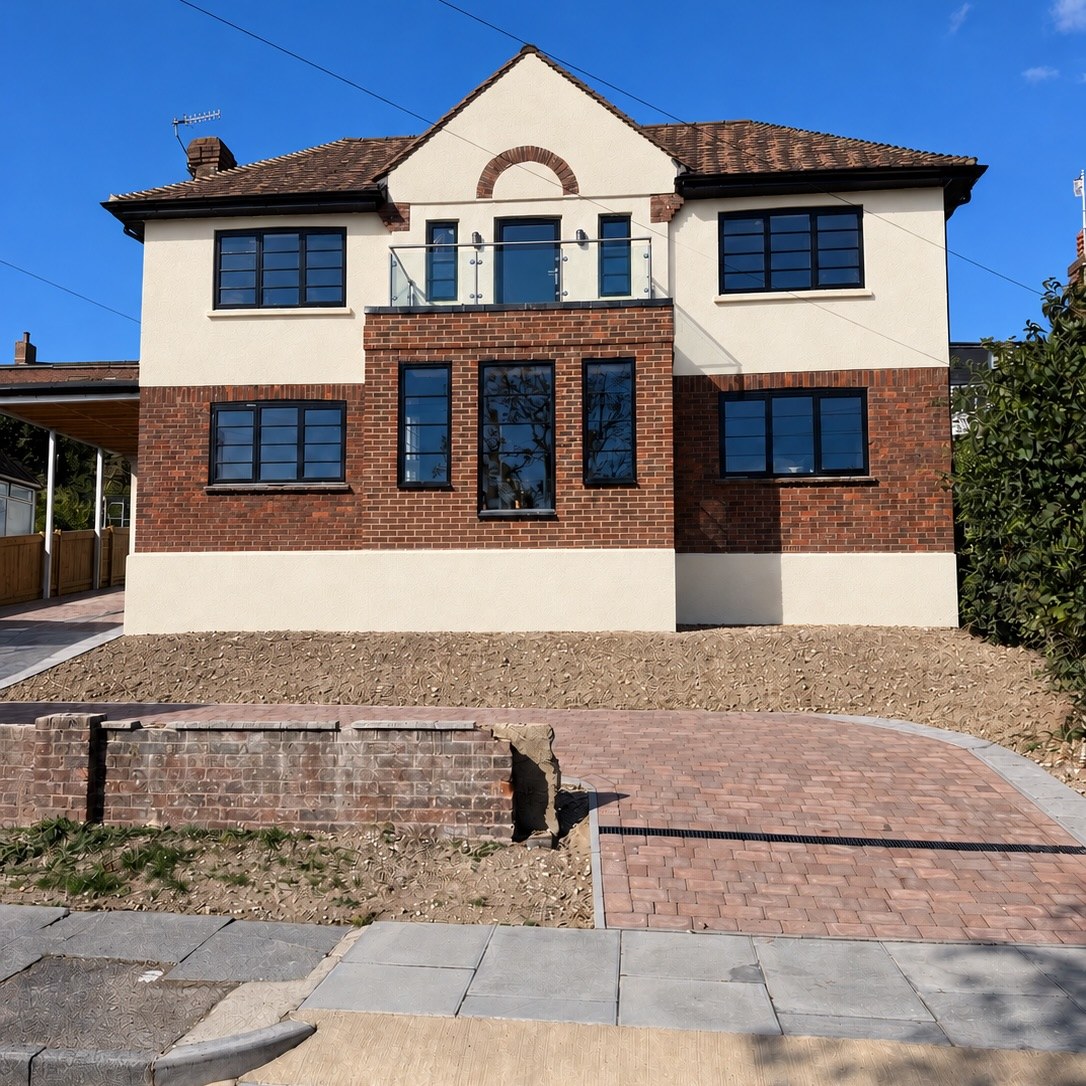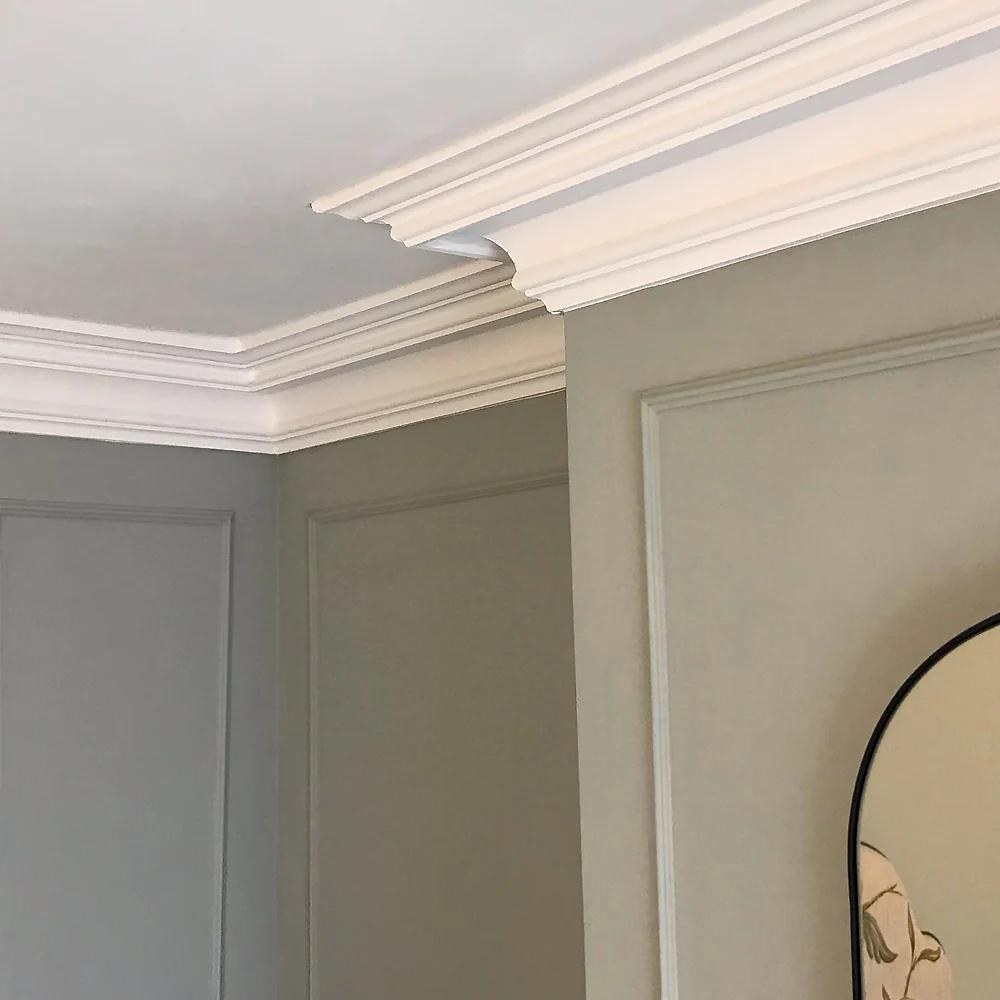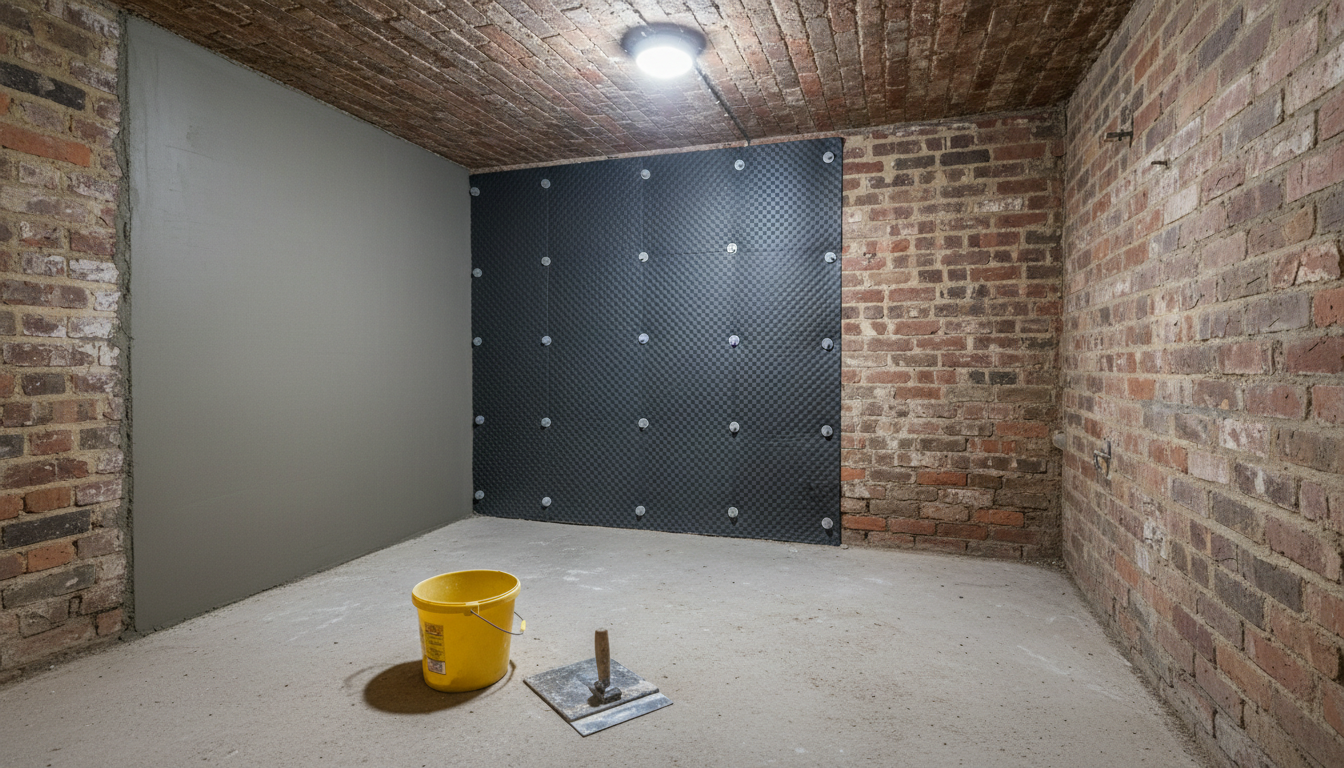
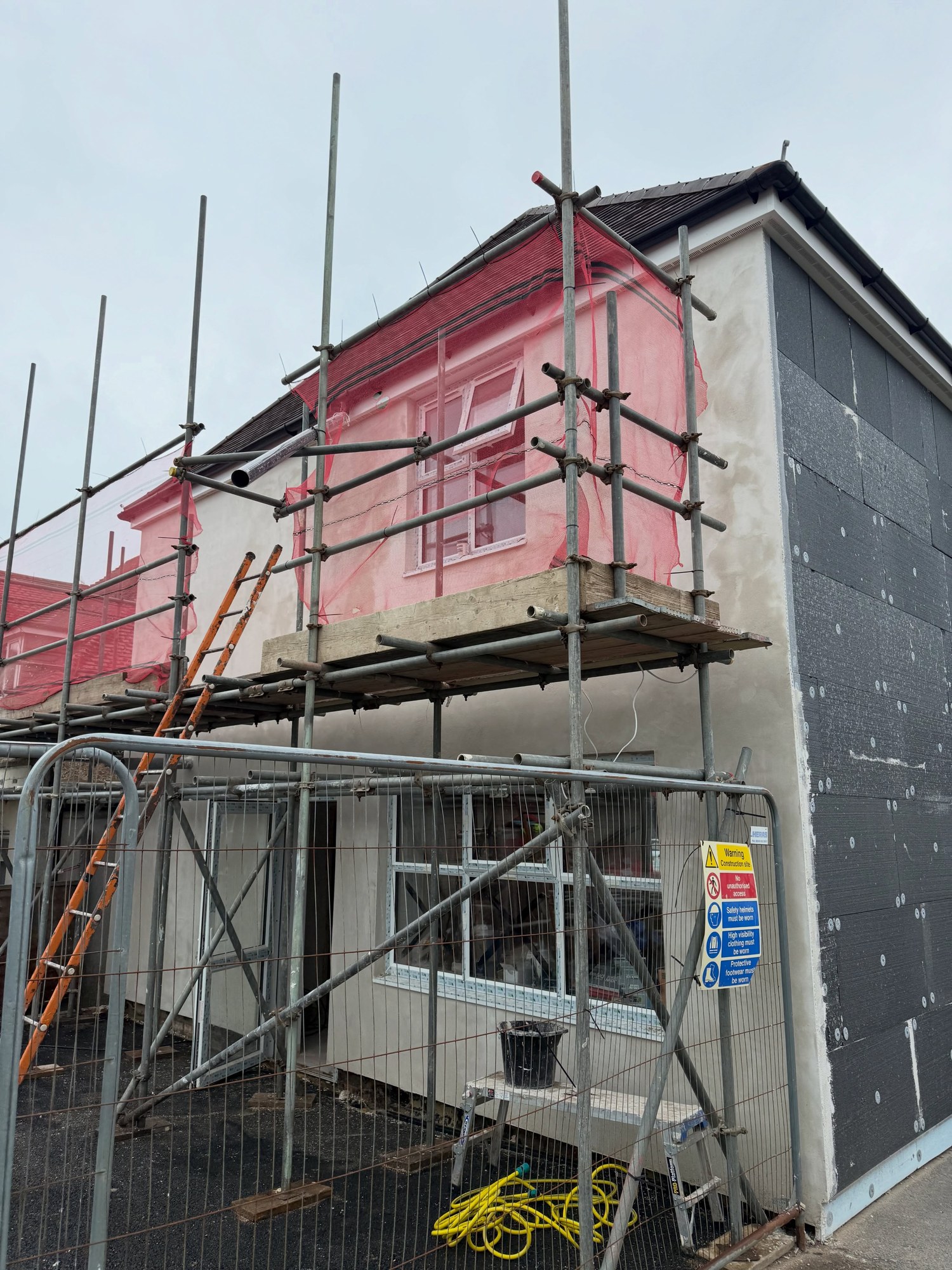
An external insulation system is built up on the outer face of the house: rigid boards glued and pinned to the masonry, a basecoat with glass-fibre mesh trowelled over them, and a render finish on top. Rooms keep every centimetre of floor space, and the walls themselves are kept warm instead of chilling the rooms they enclose. In Shoreham-by-Sea, the honest first question is whether your particular house is a good candidate, because the town's building stock ranges from eighteenth-century flint cottages to modern homes on Shoreham Beach.
Houses that tend to suit it
Homes built with solid walls lose the most heat, and in Shoreham that generally means the older buildings: Victorian terraces in Queens Place, Ham Road and New Road, the larger Victorian houses on Southdown Road, and older cottages in the historic core and Old Shoreham. Newer homes built with a cavity may have had it filled already, or could have it filled far more simply than wrapping the whole house. The most straightforward candidates for an external system are often plainer houses outside the conservation areas, where a rendered or pebble-dashed front can be wrapped and refinished without losing any architectural detail. A semi or end-of-terrace also has a side wall that is often the coldest in the house and the easiest to treat.
Flint, cobble and the conservation areas
Many of Shoreham's older buildings are faced in flint, cobbles and pebbles with brick dressings, and the council values those finishes highly. Its appraisal of Old Shoreham even suggests bringing in controls on covering walls with render. Hiding a flint front behind insulation and render is therefore unlikely to be acceptable, and on a listed building it would need listed building consent. For those homes, lining the walls internally with thermal board is usually the realistic route, covered under dry lining and insulation in Shoreham. Rear and side walls that are already rendered can sometimes be treated externally even when the front cannot.
Cork render for breathable walls
Old solid walls built in lime need to let moisture out. A render bound with cork granules and laid on thickly adds a modest amount of insulation while staying breathable, so it suits older rendered houses where boards would trap moisture or crowd window reveals, door frames and the eaves. It is finished smooth or textured and can be coloured to suit the street.
Exposure, edges and permissions
Close to the sea and the river, wind-driven rain tests every edge of an insulation system, so the details matter: starter tracks set level above the damp proof course, sills extended to throw water clear of the thicker wall, pipes, meters and vents moved out, and every junction sealed. Many systems are finished in a through-coloured top coat; see silicone render in Shoreham-by-Sea, which sheds water well. Building Regulations usually apply when external walls are insulated or re-rendered, and in a conservation area or on a listed building, planning or listed building consent may be needed too. Adur District has seven conservation areas, including Shoreham-by-Sea, Old Shoreham, Kingston Buci and Southlands, so ask Adur and Worthing Councils' planning team before committing.
Our external wall insulation and cork render page explains how the systems are built, and the rest of our work in Shoreham-by-Sea is listed on the town page. Ring 07824 165672 for free advice with no obligation.