Which Hassocks homes it suits
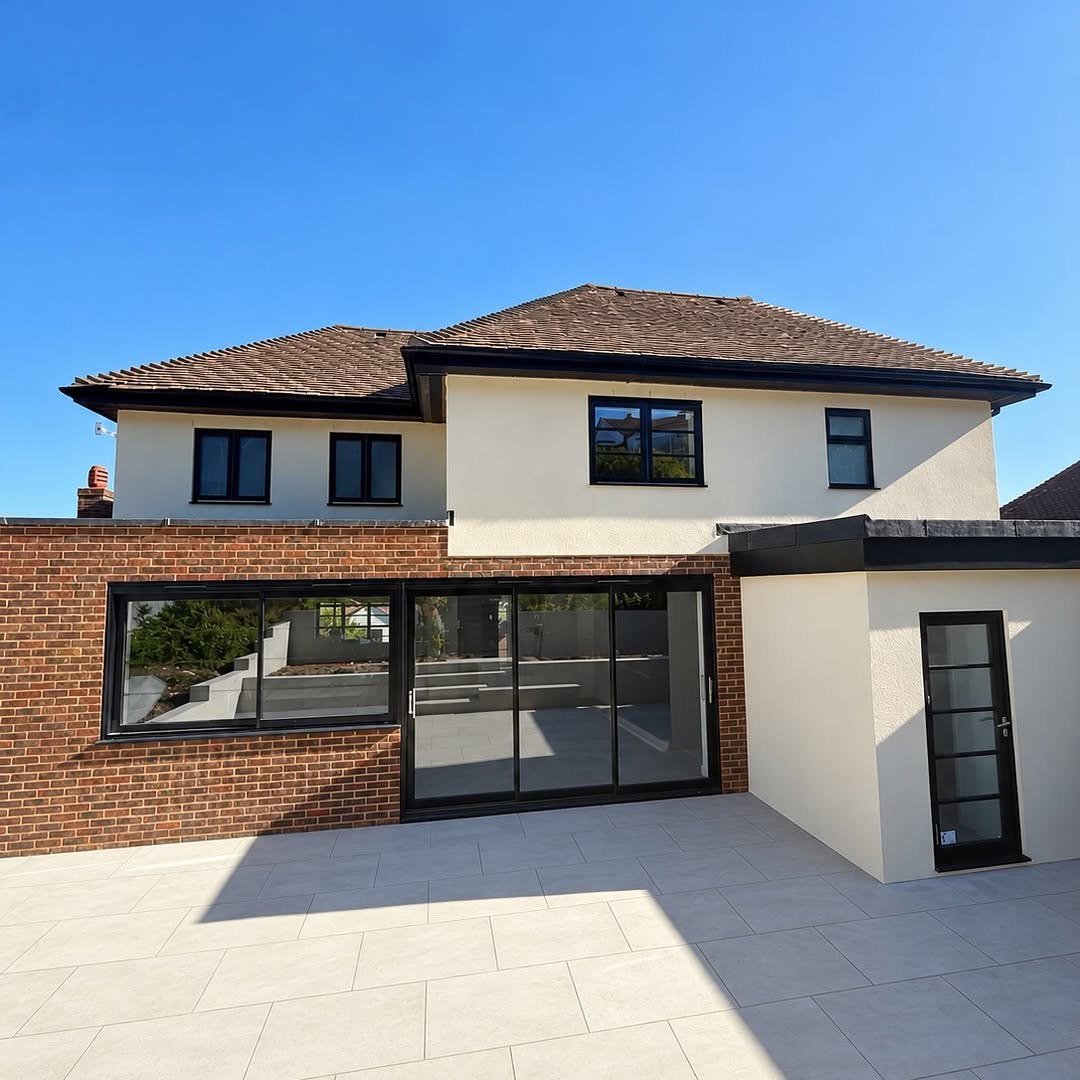
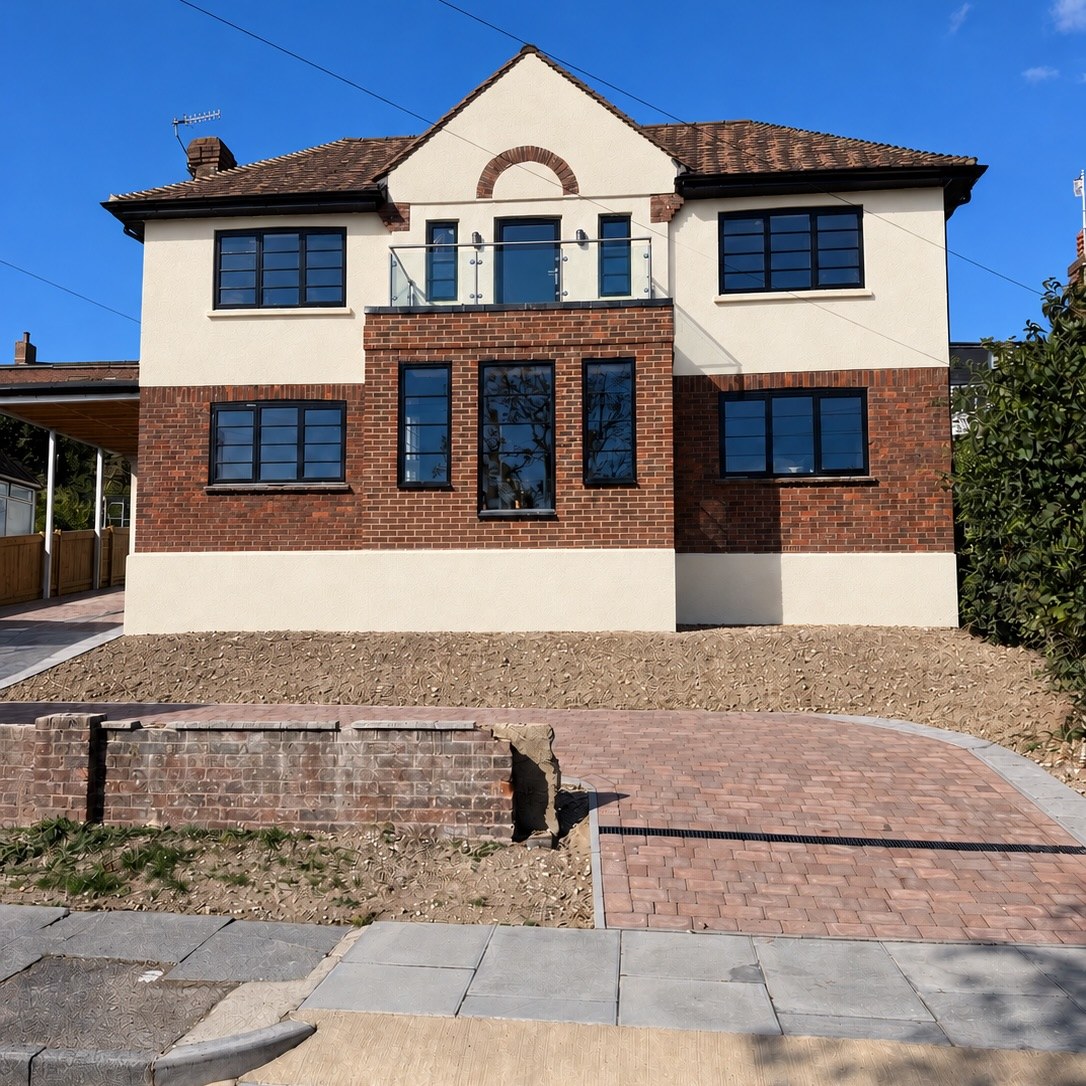
External wall insulation makes most sense on walls that lose heat badly and have no cavity to fill. Houses of the Victorian period were commonly built with solid walls, and Hassocks has plenty of them: the terraces, semis and villas that went up after the railway arrived, around Stanford Avenue, Woodfield Road and Parklands Road. Whether a particular wall is solid, has a cavity, or has already had its cavity filled changes what makes sense, so that is the first thing we check. Homes that are already rendered, such as many bungalows and interwar houses, are often the easiest candidates, because wrapping a rendered wall in boards and a new finish changes its look far less than covering brick.
Planning, Building Regulations and the conservation areas
This is the part to settle first. Insulating and re-rendering outside walls can need Building Regulations approval. Hassocks parish has two conservation areas, the historic core of Keymer around Keymer Road, The Crescent and Lodge Lane, and the historic core of Clayton around Underhill Lane, and in a conservation area or on a listed building the change in appearance can need planning consent. Proposals in the Clayton conservation area are also assessed against South Downs Local Plan policy as well as the district plan. Outside those areas, the Hassocks Neighbourhood Plan's design policy still asks for materials that suit each part of the village, so speak to Mid Sussex District Council before you commit.
How a board system goes on
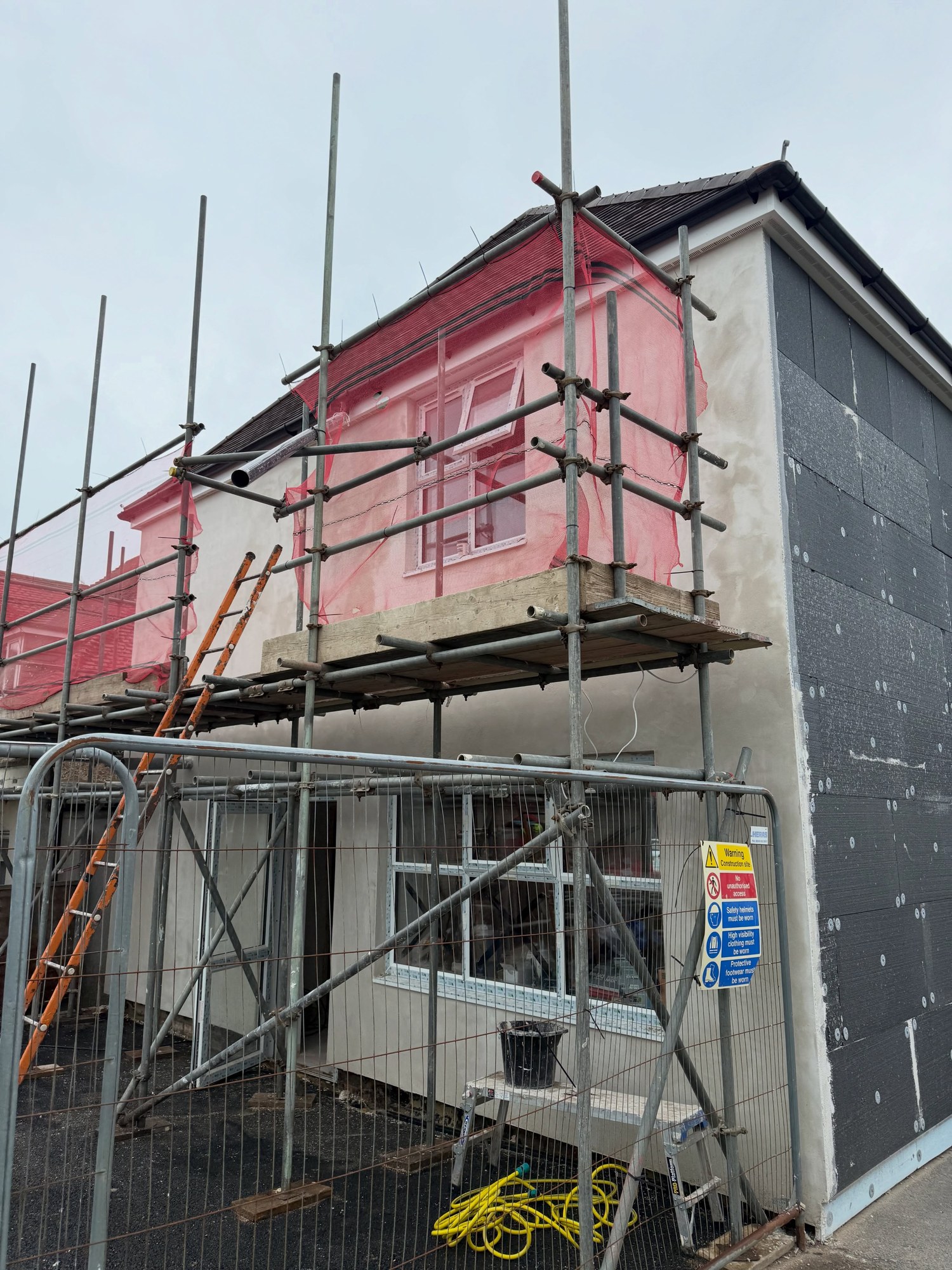
After a survey of the walls and the fittings that will need moving, a starter track is fixed level at the base, insulation boards are bonded on and mechanically fixed, a basecoat with reinforcing mesh goes over them, and a render finish completes the system. We install EPS systems among other types. Downpipes, meters, lights and vents come off and go back on further out, and sills and eaves need extending because the wall gets thicker. On a house with tile-hung upper walls, a detail the townscape appraisal counts as typical of Hassocks, the junction between the boarded wall and the tiles needs careful thought.
Cork render for older solid walls
Where a full board system would be too thick, or a wall needs to breathe, cork render is the gentler option. It is a render made with cork granules and applied more thickly than ordinary render. Cork insulates a little and lets moisture move out of the wall rather than trapping it, which suits older solid walls that are already rendered, and walls where window reveals, eaves or a narrow side path leave no room for thick boards.
Inside or out
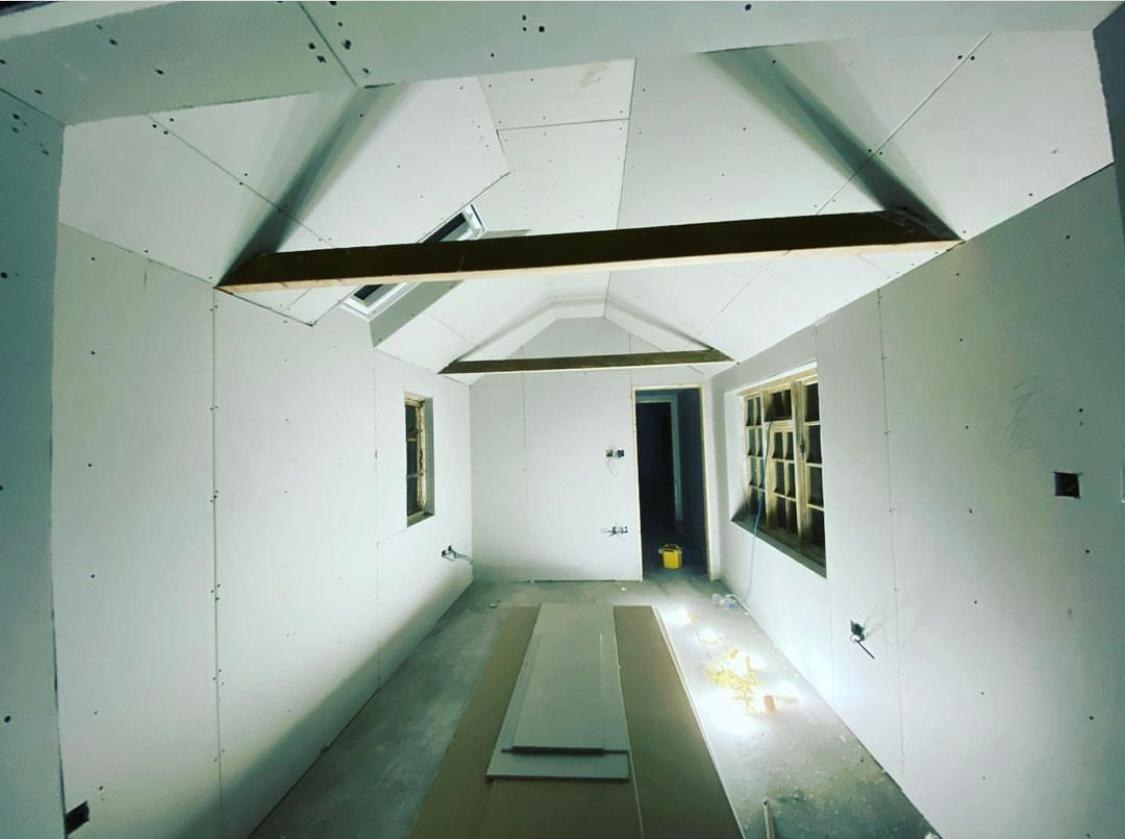
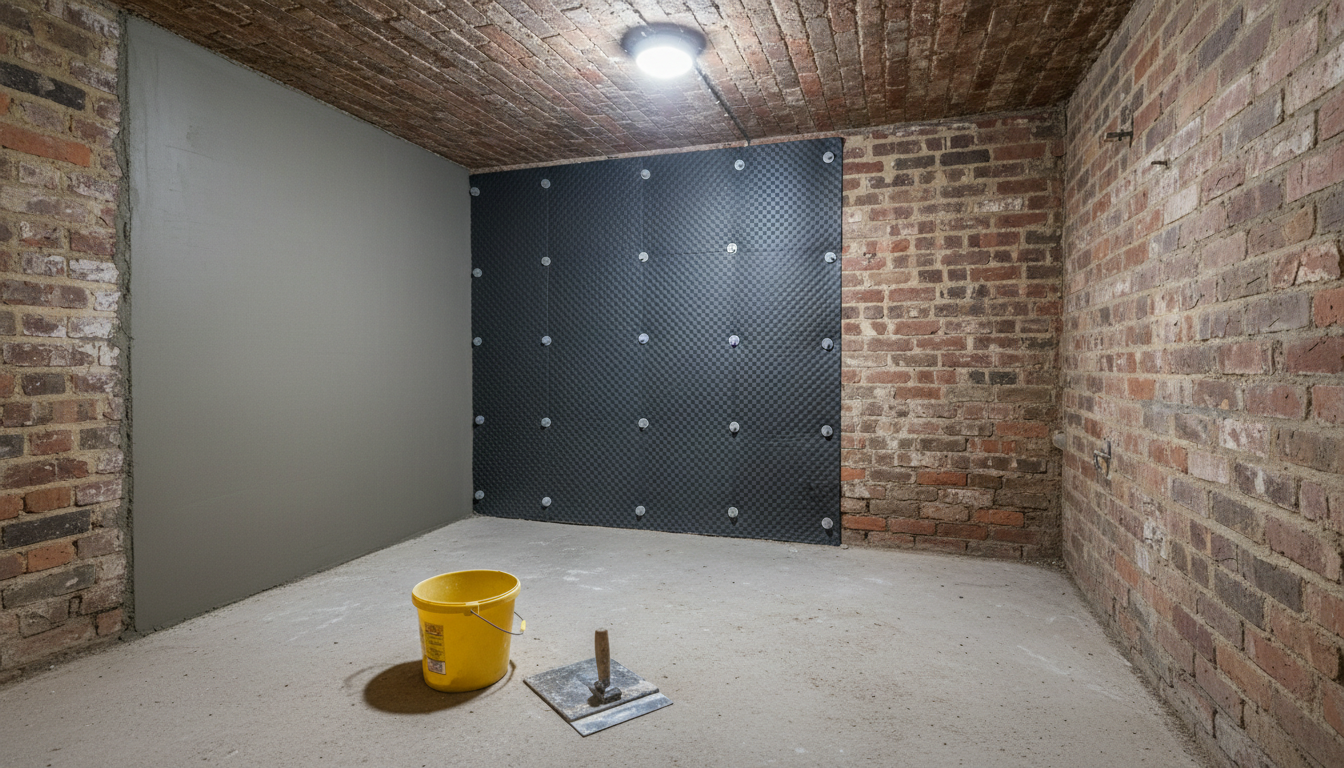
If the outside of your house has to stay as it is, insulating from the inside with insulated plasterboard is the alternative, room by room. Insulating outside keeps all your floor space and cuts the cold spots where floors and internal walls meet the outside wall. Our silicone rendering in Hassocks page covers the finish most often used over boards, rendering in Hassocks covers lime and traditional renders, and our main external wall insulation and cork render page has more on the systems. See our Hassocks page for everything else.