Clay ground and streams
Hassocks sits on the scarp foot slopes below the South Downs, and the village design statement notes that the heavier soils over the local clay are prone to waterlogging, which can make periodic flooding from the streams worse. Those streams drain north towards the River Adur. The largest, the Herring Stream, runs through the built-up area and passes under Keymer Road at Spittleford Bridge, and the Hassocks Neighbourhood Plan identifies parts of the land around it as at risk of flooding. None of that means every house is damp, but it does mean ground moisture deserves a proper look before anyone reaches for a treatment.
Surface water is the bigger story
The neighbourhood plan, drawing on the West Sussex Local Flood Risk Management Strategy, lists Hassocks among six areas of Mid Sussex at risk of flooding, with 685 homes and businesses in the village susceptible. Most of that is surface water: 525 properties are at risk from surface water, 105 from rivers and 55 from both. The village design statement adds that paving over front gardens for parking increases run-off. At the scale of one house, surface water means puddles against walls, rain splashing above the damp proof course, and paths or drives laid too high against the brickwork. Those are often the real cause of a damp patch low on a wall, and they are simpler to put right than any injected treatment. After a heavy downpour, walk round the outside and note where water collects; a photo of that is as useful to us as a photo of the stain indoors.
Older walls and what goes wrong
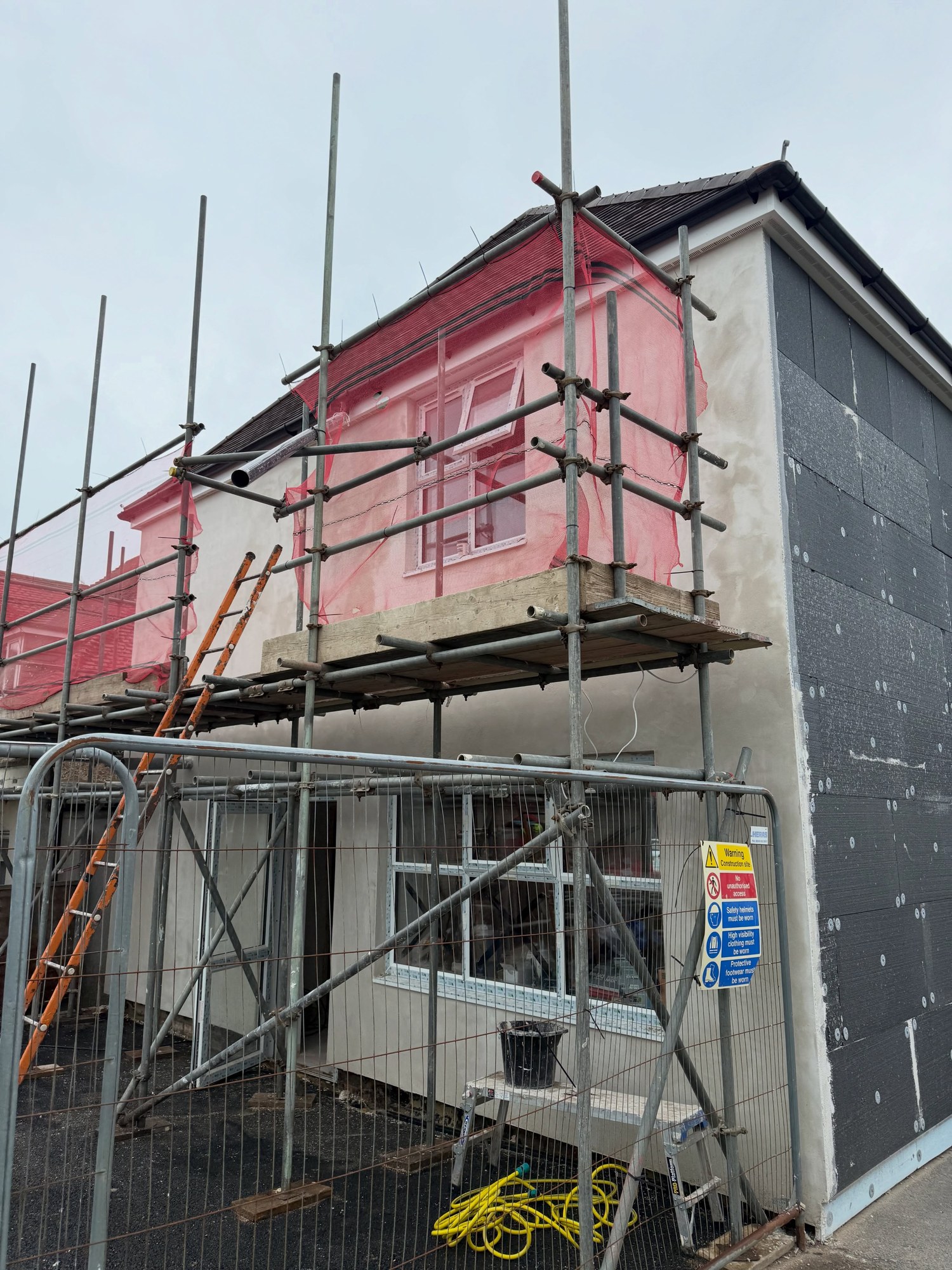
The Victorian terraces, semis and villas built after the railway arrived, and the older cottages in Keymer's conservation area, have fewer defences than a modern wall. A damp proof course may have failed or been bridged by raised soil, paths or render taken down to the ground. Penetrating damp comes through cracked render, tired pointing and leaking gutters, and usually worsens after heavy rain. Where rising damp is confirmed, a damp course injection puts a water-repellent barrier into the base of the wall; the salt-laden plaster above is then removed and the wall rebuilt with a suitable system, often by float and set in Hassocks. Where the water is coming through failing render, rendering in Hassocks is part of the fix.
Condensation, black mould and below-ground rooms
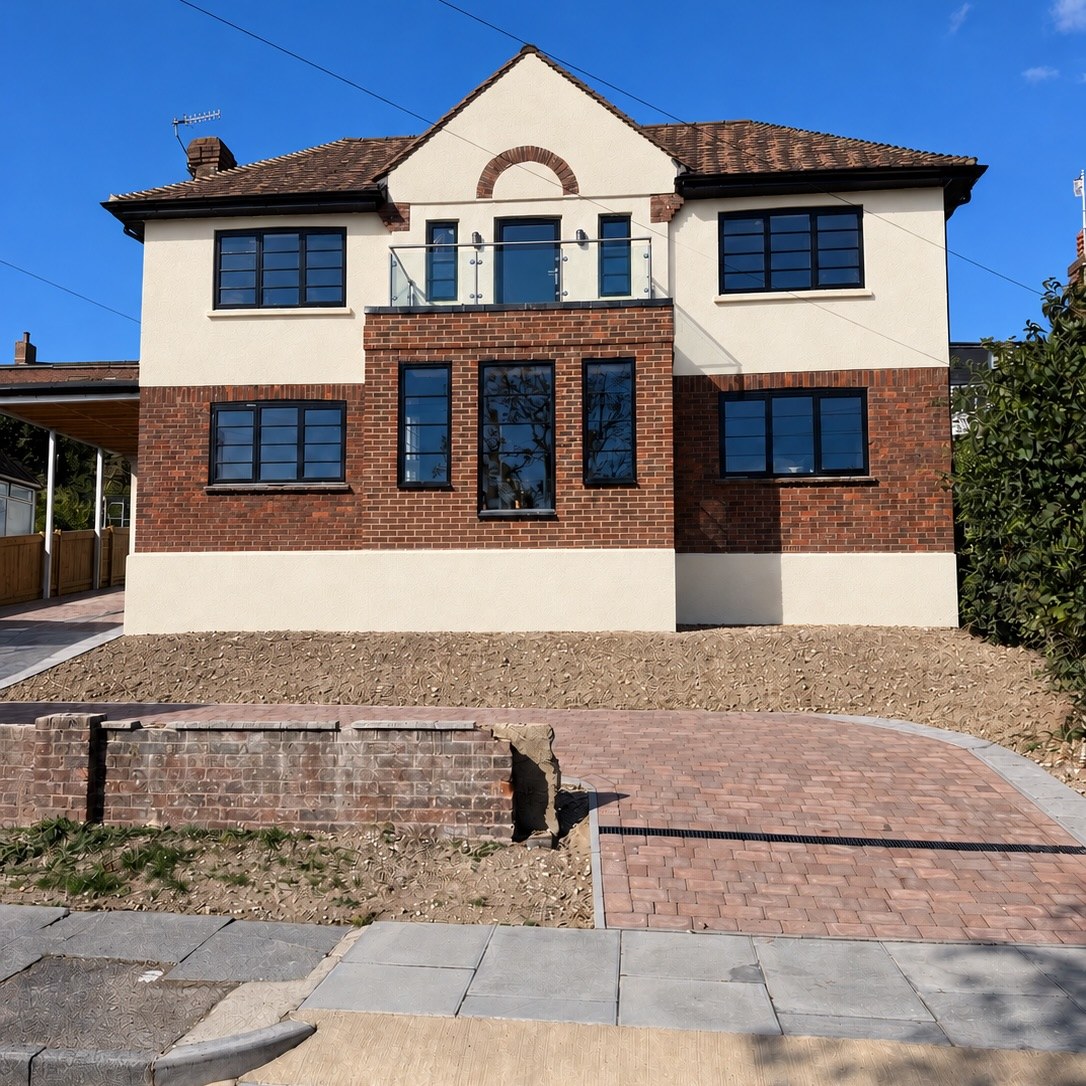
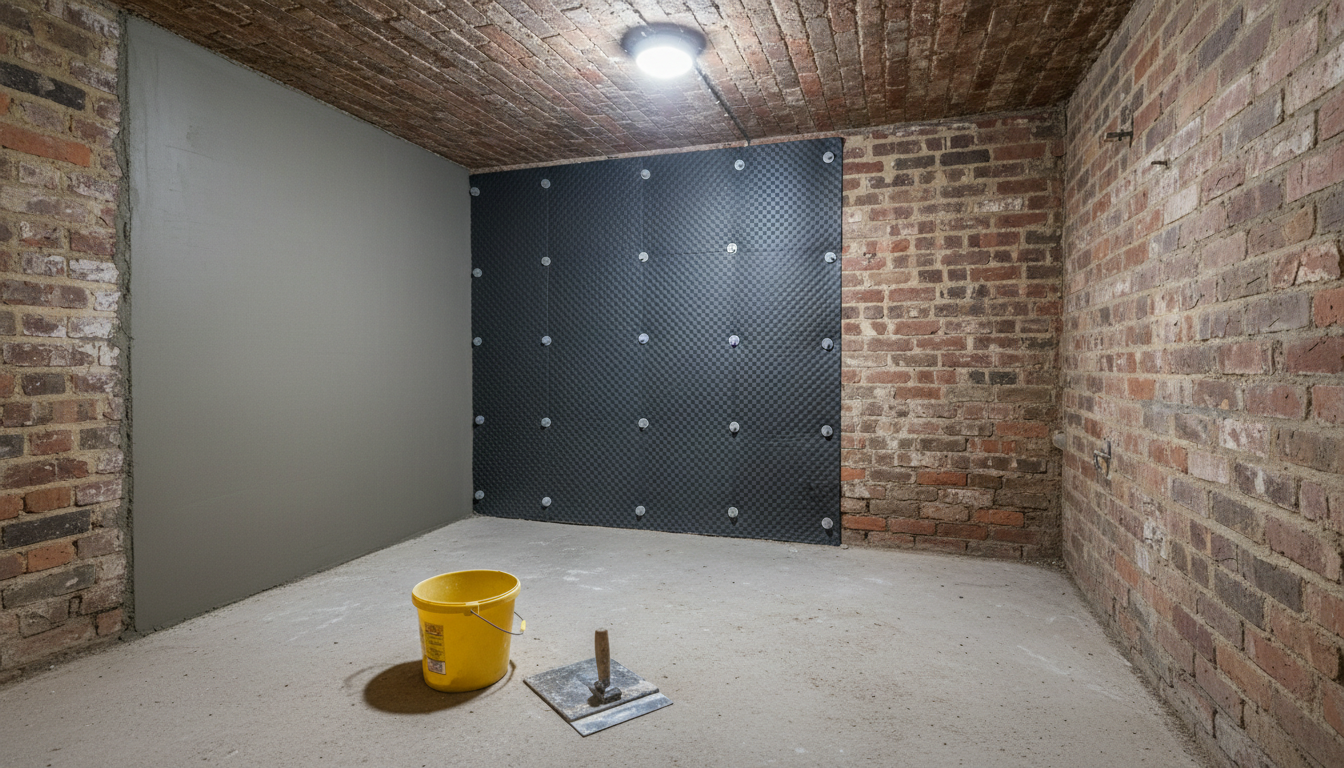
Black mould on cold corners, window reveals and bathroom ceilings is more often condensation than water getting in. It shows most in winter, in rooms with drying washing and little ventilation, and on the coldest walls. Mould removal deals with what you can see, while ventilation and, where a wall is very cold, insulation or dry lining deal with why it grew. New, tightly sealed windows fitted without trickle vents or a working extractor fan can tip a house that was fine into one that runs with condensation. On sloping plots, such as the steep south-facing ones the townscape appraisal describes on South Bank, a room that sits partly below garden level needs waterproof tanking or a cavity drain membrane on the inside before it is plastered or lined. More detail on every treatment is on our main damp proofing and mould prevention page, and our Hassocks area page lists the rest of our work in the village.