Solid walls in a village of local brick
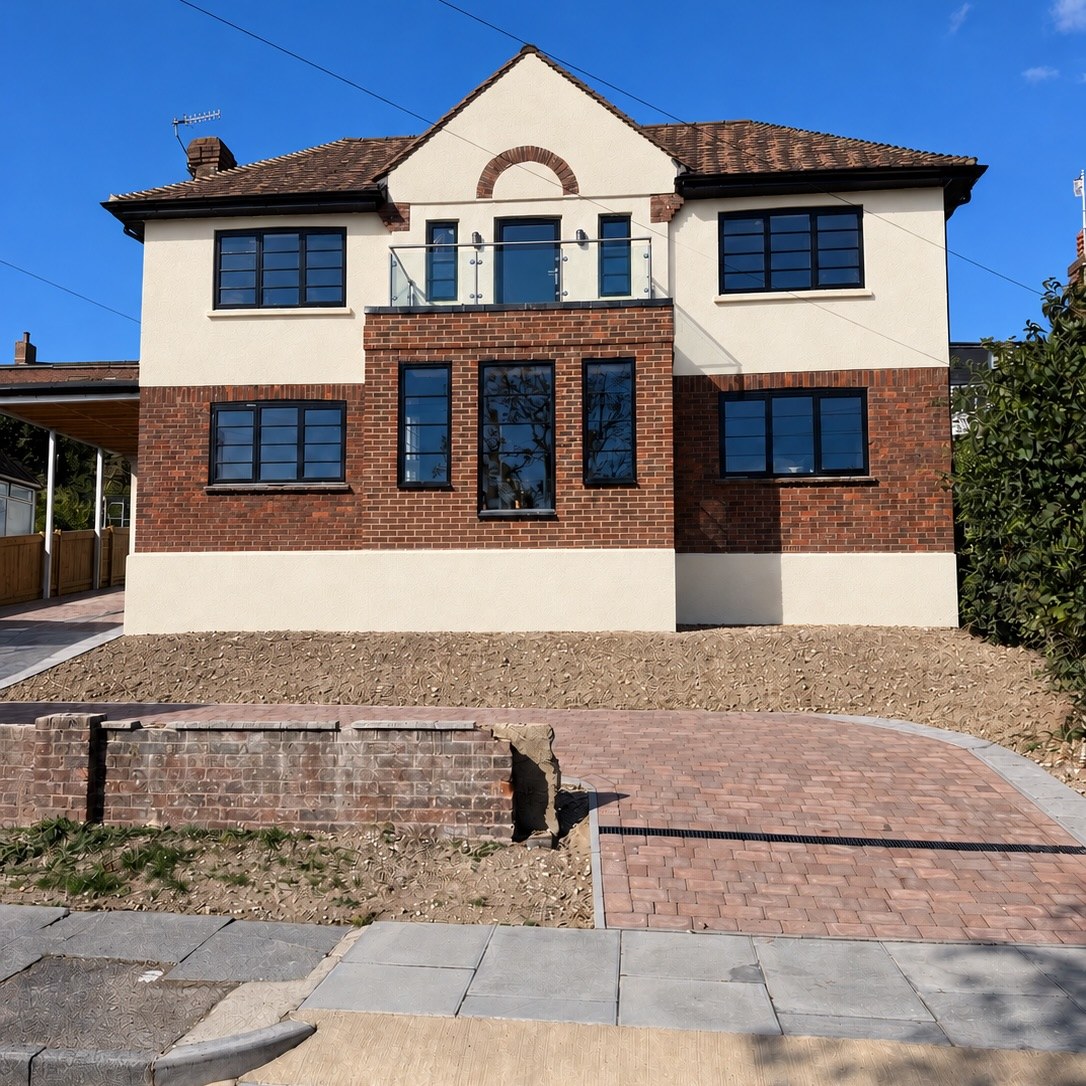
Hassocks has a strong brick character. The parish townscape appraisal singles out soft-coloured local red brick, plain brown clay roof tiles and red wall tiles as the materials that hold the village together, and notes that the council houses around Friars Oak Road were built in 1946 with Keymer red bricks and clay tiles. Behind the plaster in houses like these, and in the Victorian terraces of Parklands Road with their gold brick and red brick details, is brick or block rather than board. When plaster on that kind of wall has blown, cracked or been hacked off for a rewire, a thin skim cannot hide it. The wall needs floating: a backing coat ruled flat with a straight edge, then a setting coat over it.
Hurst Road: levelling old walls and new blockwork
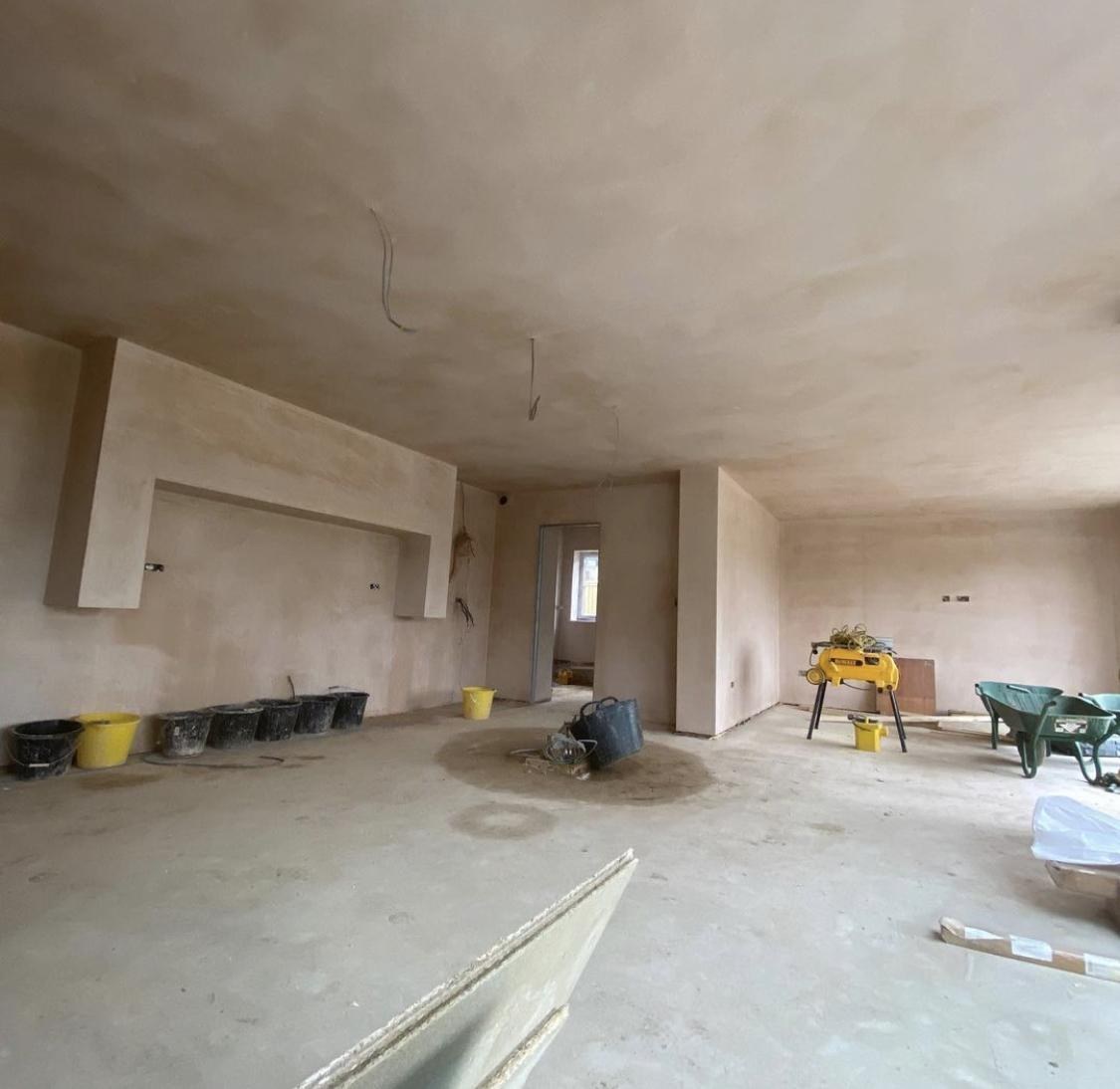
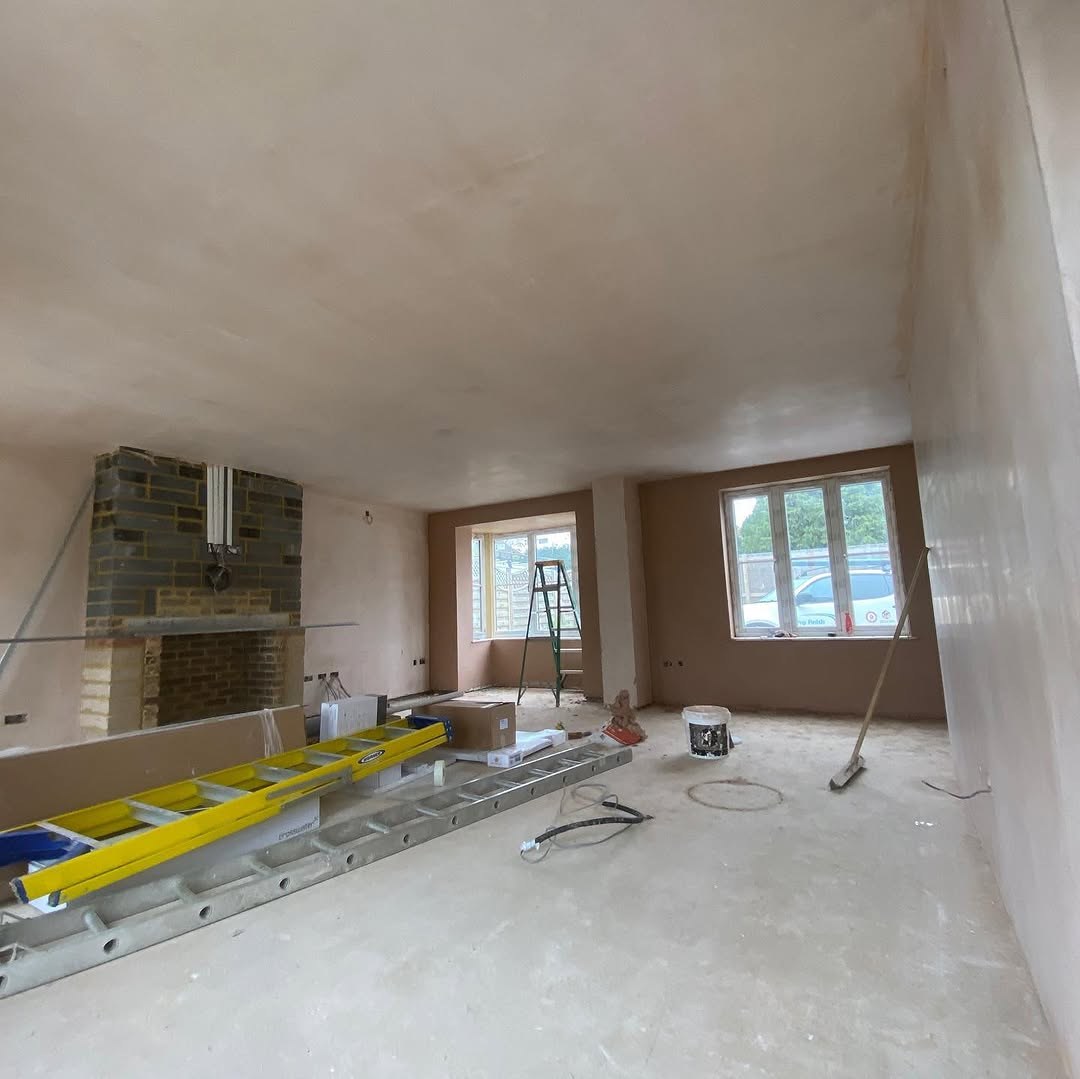
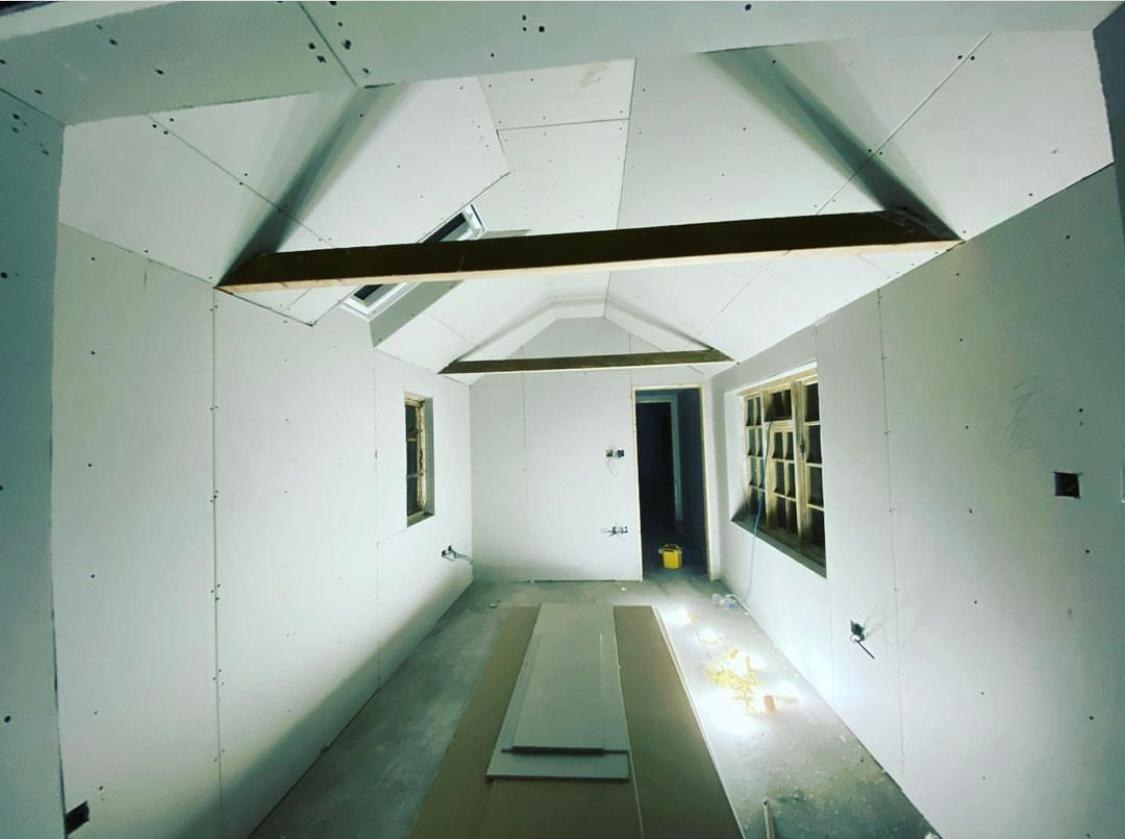
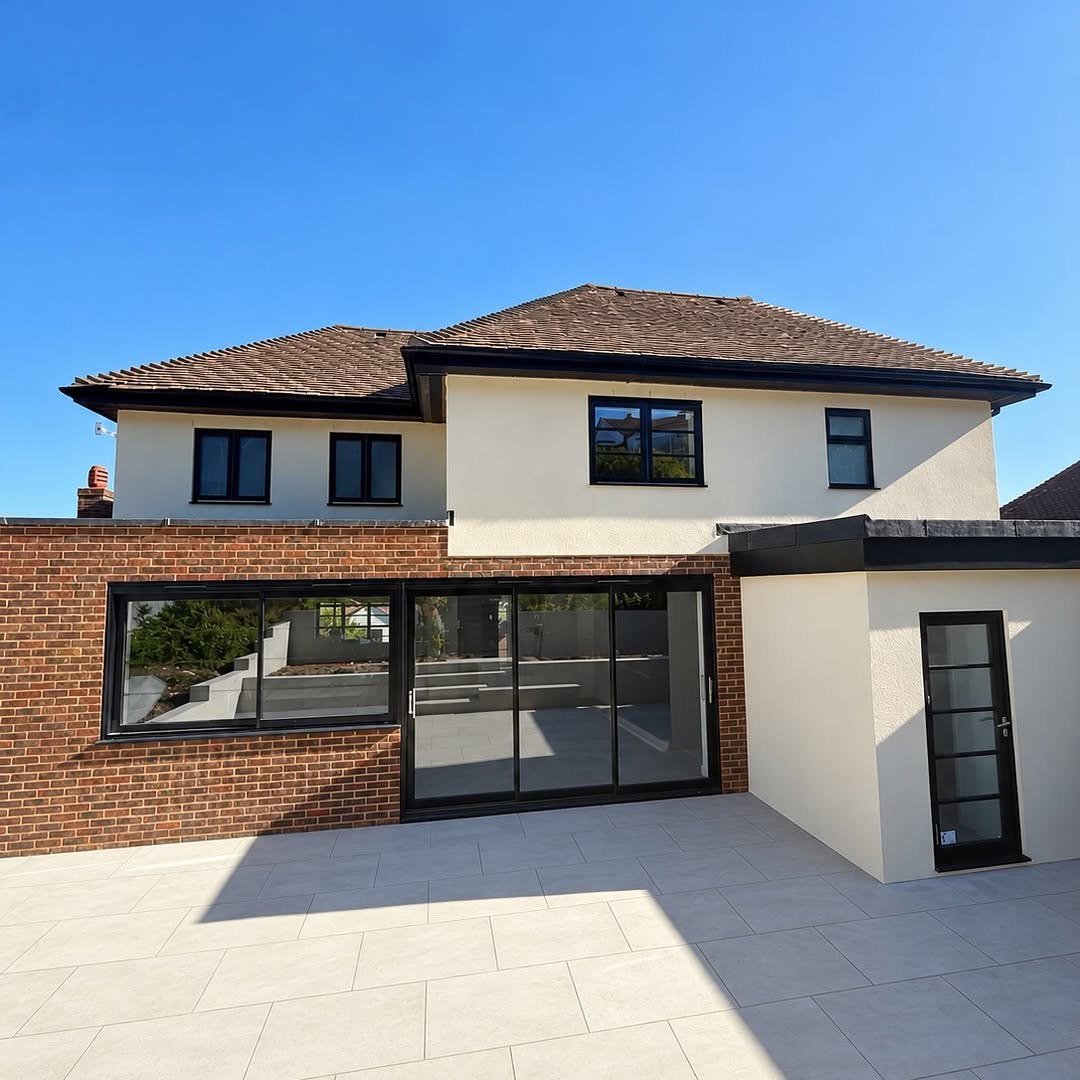
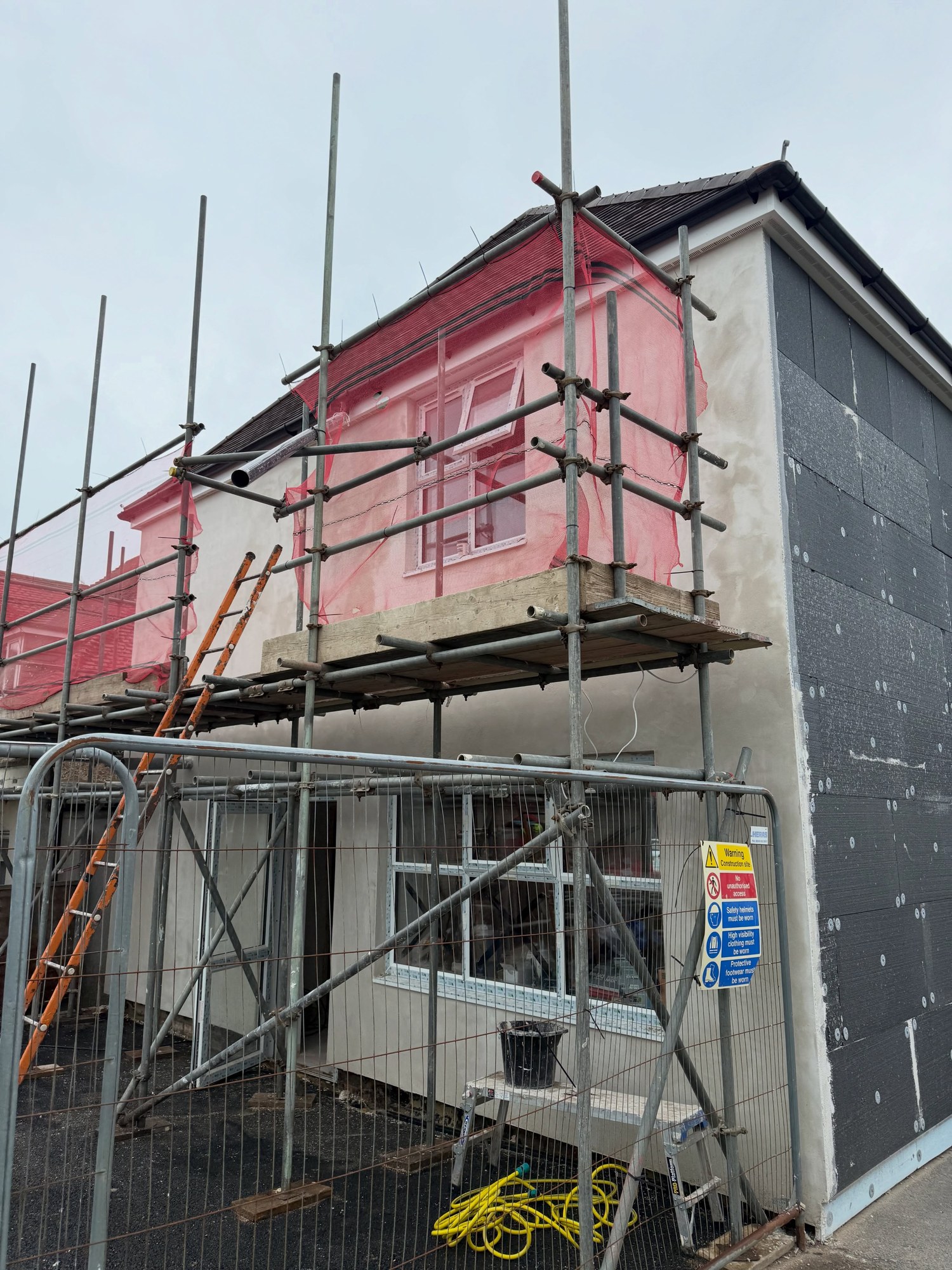
On Hurst Road we plastered a run down four bedroom house that was turned into a modern six bedroom home, and float and set did two jobs there. The existing walls were damaged and uneven, so they were brought level with a floated backing coat before finishing, and the new blockwork of the extensions was plastered the same traditional way. With the boarded areas skimmed as well, the whole property ended up with one consistent finish. There are photos on our projects page.
Extensions on generous Hassocks plots
Many Hassocks homes sit on roomy plots. The appraisal describes large gardens and long front gardens on the 1930s Home Estate around Grand Avenue and Mackie Avenue, and deep front gardens behind low walls on the 1950s roads such as Dale Avenue. That space often allows a rear or side extension, and new blockwork is the classic case for float and set. A solid plastered wall takes heavy kitchen units, shelving and a television bracket better than board, and it shrugs off knocks in a busy family room. If you are weighing the two, our plasterboarding and dry lining in Hassocks page explains the boarded alternative.
Older walls in Keymer and around the station
Not every solid wall wants the same mix. The oldest part of Keymer is around the church and the Greyhound, inside a conservation area designated in 1989, where the Old Manor House on Keymer Road dates from the 15th century and flint walling is a feature of the streets. Older solid walls need to be able to dry out, so what goes on them matters. If your house is one of the older cottages in Keymer, or a Victorian villa near the station, mention it when you call and we will talk through what suits the wall before anything is applied. Where damp caused the old plaster to fail, that has to be put right first; our damp proofing in Hassocks page explains how.
What to expect on the day
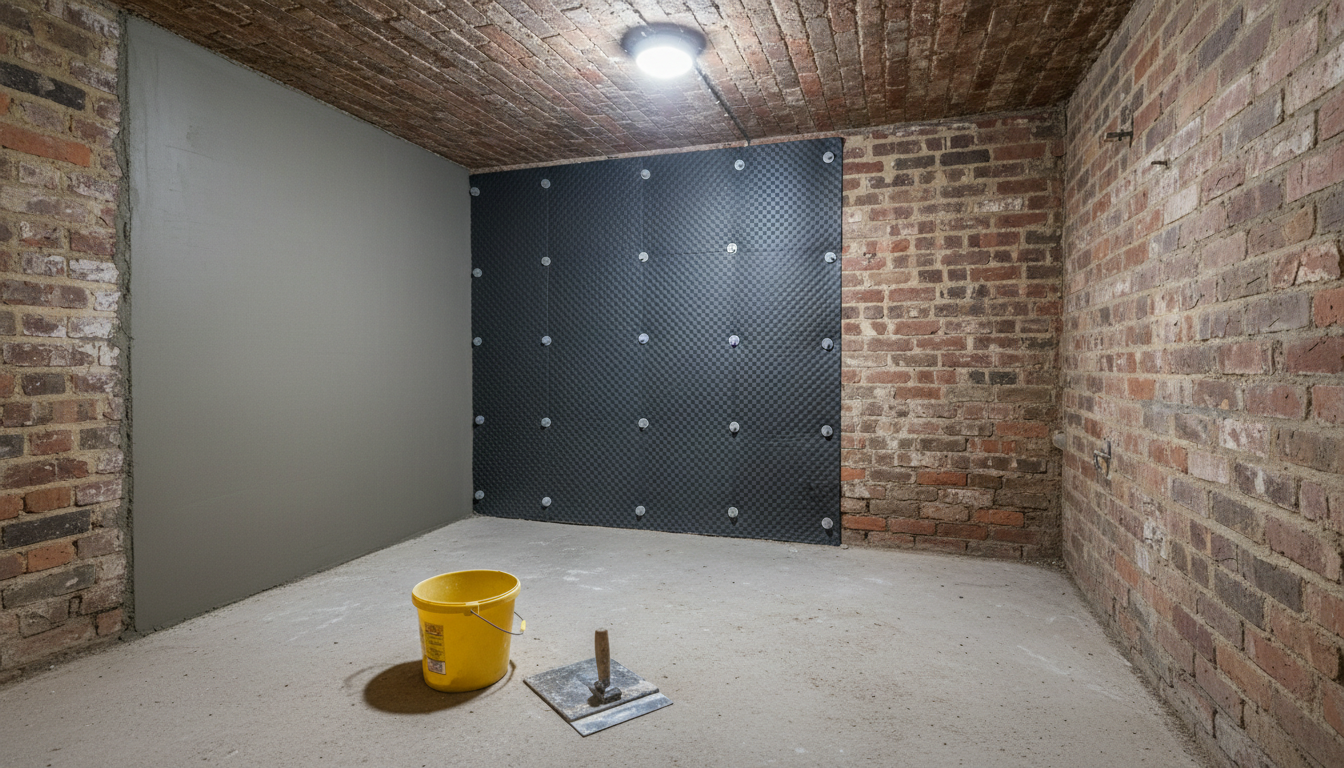
Floating is wetter and slower than skimming. The wall is stripped of anything loose and brushed down, wetted or primed so the backing coat does not dry too fast, and beaded at corners and reveals. The float is then ruled flat, built up in layers over deep hollows and scratched to give a key, and the set follows once it has firmed. A floated wall holds a lot of water, so leave longer before decorating and keep the room aired. Our main float and set page has more detail, and the rest of what we offer locally is on our Hassocks page.