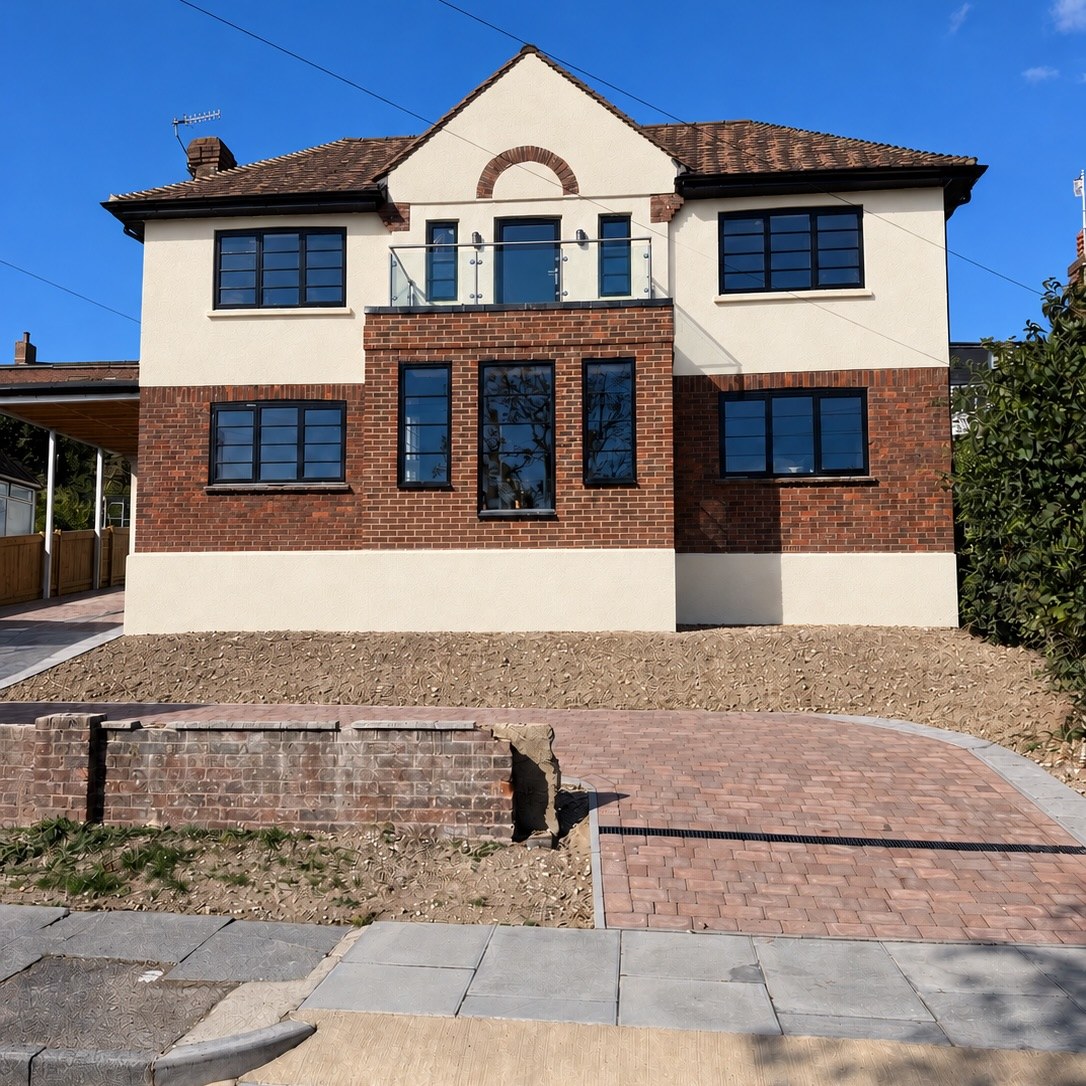
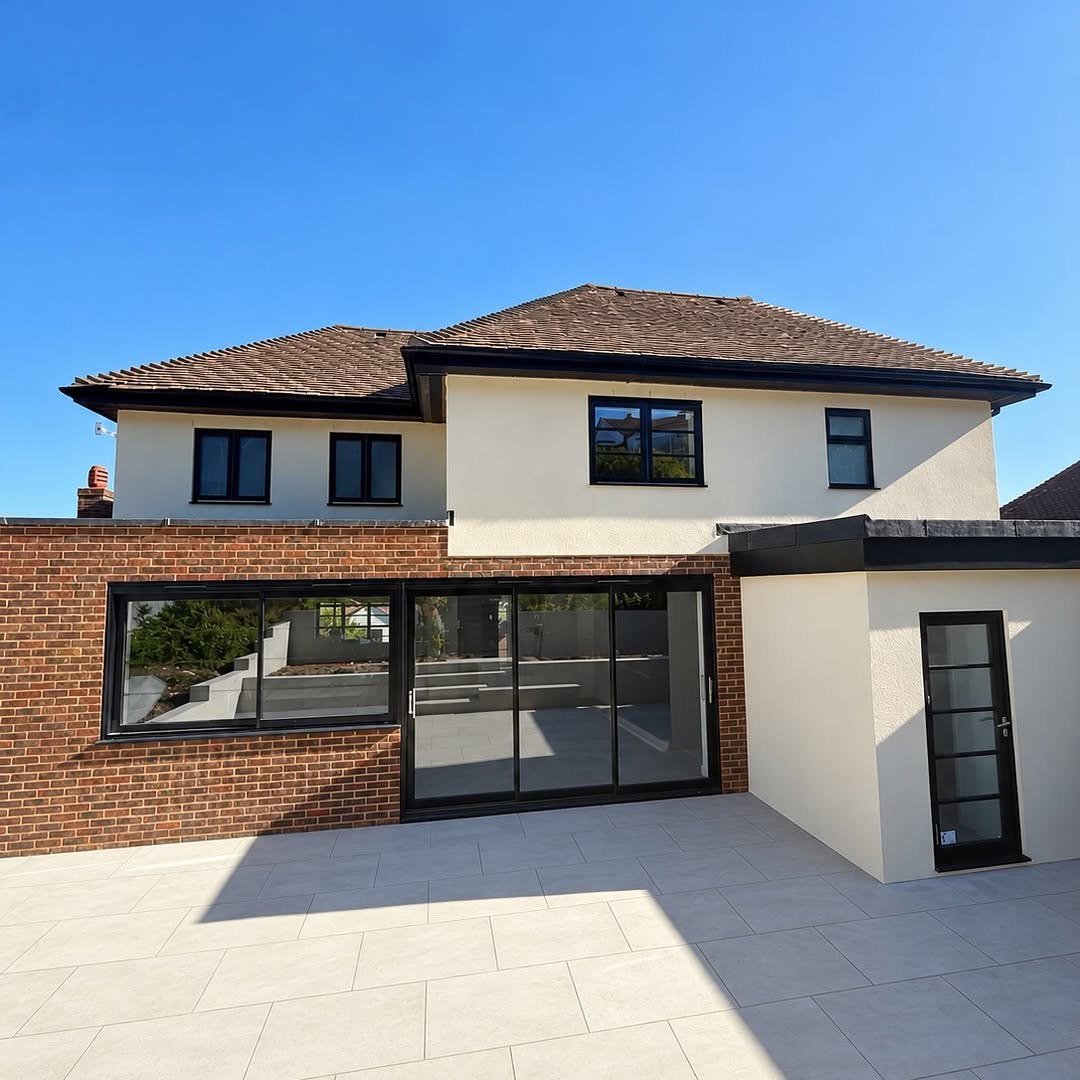
Walk west along Marine Parade from the town centre towards Heene and you pass two centuries of rendered fronts: early nineteenth-century houses at the eastern end, taller Victorian terraces further west, and Heene Terrace, built in 1865 with stucco decoration, rusticated ground floors, balconies and columned porches. Inland, Park Crescent's three-storey terrace by Amon Henry Wilds is finished in stucco, as are many of the terraces around the Steyne, Warwick Road and West Buildings. Smaller cottages in the old streets behind the seafront mix stucco with flint, and the interwar years added roughcast, as on the refaced front of the Egremont on Brighton Road. Rendering in Worthing is as much about looking after what is already there as about putting new render on.
Wind and rain off the Channel
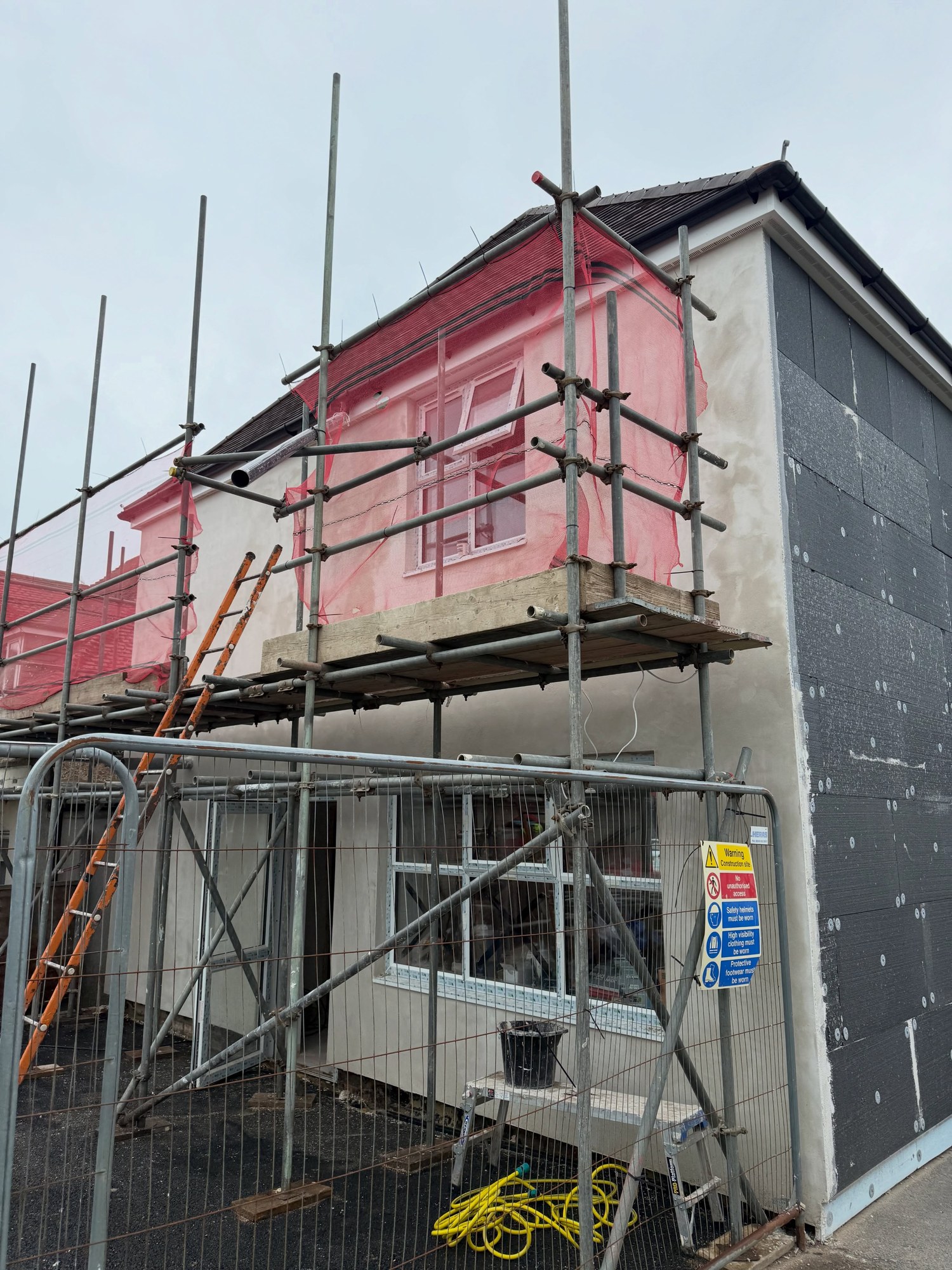
Worthing faces the English Channel, and on many days a south-westerly sea breeze, known locally as the Worthing Effect, builds through the morning and peaks in the afternoon. Wind-driven rain and salt find every hairline crack in a seafront elevation, especially around cornices, parapets and window sills where water sits. Once water is behind the render, it softens the background and the coating starts to sound hollow and lift. Wind also matters while the work is being done: a fresh coat that dries too fast in a stiff breeze can shrink and craze, so exposed elevations are scheduled for calmer spells and screened on the scaffold.
Picking the right render for the wall
Many rendered fronts in the older parts of town sit on brick, sometimes rendered over from the start and sometimes rendered later as a repair or a change of fashion. On solid walls like these, a softer, breathable lime render is usually kinder than hard sand and cement, which can trap moisture and crack away from a wall that moves. Interwar and post-war houses in Goring, Durrington and Findon Valley, usually built with cavity walls, take sand and cement or a modern through-coloured system such as K Rend or monocouche more comfortably. Pebble dash can be patched to match or covered with a new finish once it is checked for soundness, and a modern silicone render system in Worthing is another option for those houses.
Repairs to stucco are about matching: the patch has to sit flush, follow the lines of any banding or rustication, and take paint the same way as the surrounding wall. A cement patch on a lime-rendered front often shows within a season as a crack around its edge.
Conservation areas and consent
Worthing has 27 conservation areas, including Marine Parade and Hinterland, Steyne Gardens, Park Crescent, Heene and West Tarring, and the council has made Article 4 Directions in some of them. Those directions remove permitted development rights for some changes to houses, and several seafront terraces, Heene Terrace among them, are also listed. Like-for-like repairs are usually straightforward, but rendering over brick or flint, changing the finish or altering details can need permission. Check with Adur and Worthing Councils before work starts.
Damp and render
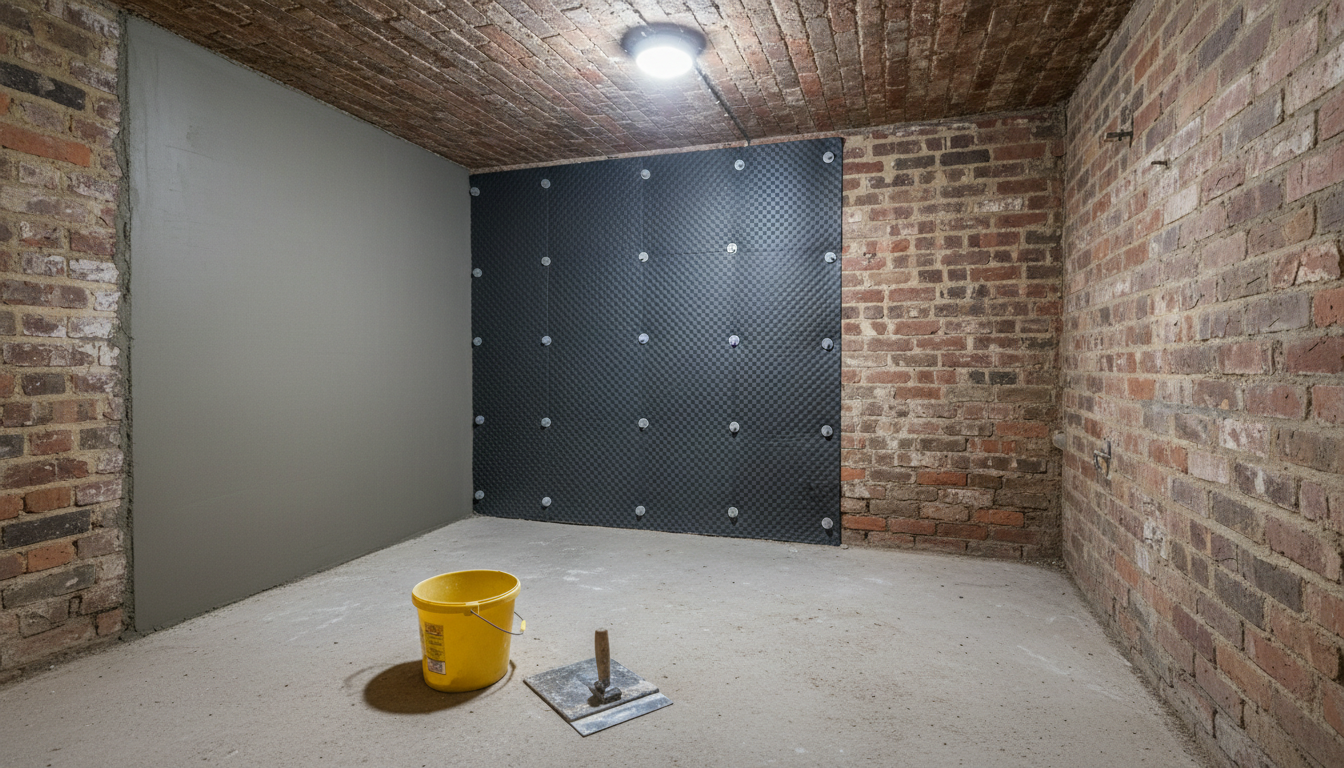
Render taken down over the damp proof course or into the ground can draw water into the base of a wall. Where a damp patch inside lines up with cracked render outside, both are dealt with together; see damp proofing in Worthing.
For more on each system, see our rendering service, or find our other services across Worthing. Call 07824 165672 for free, no-obligation advice.