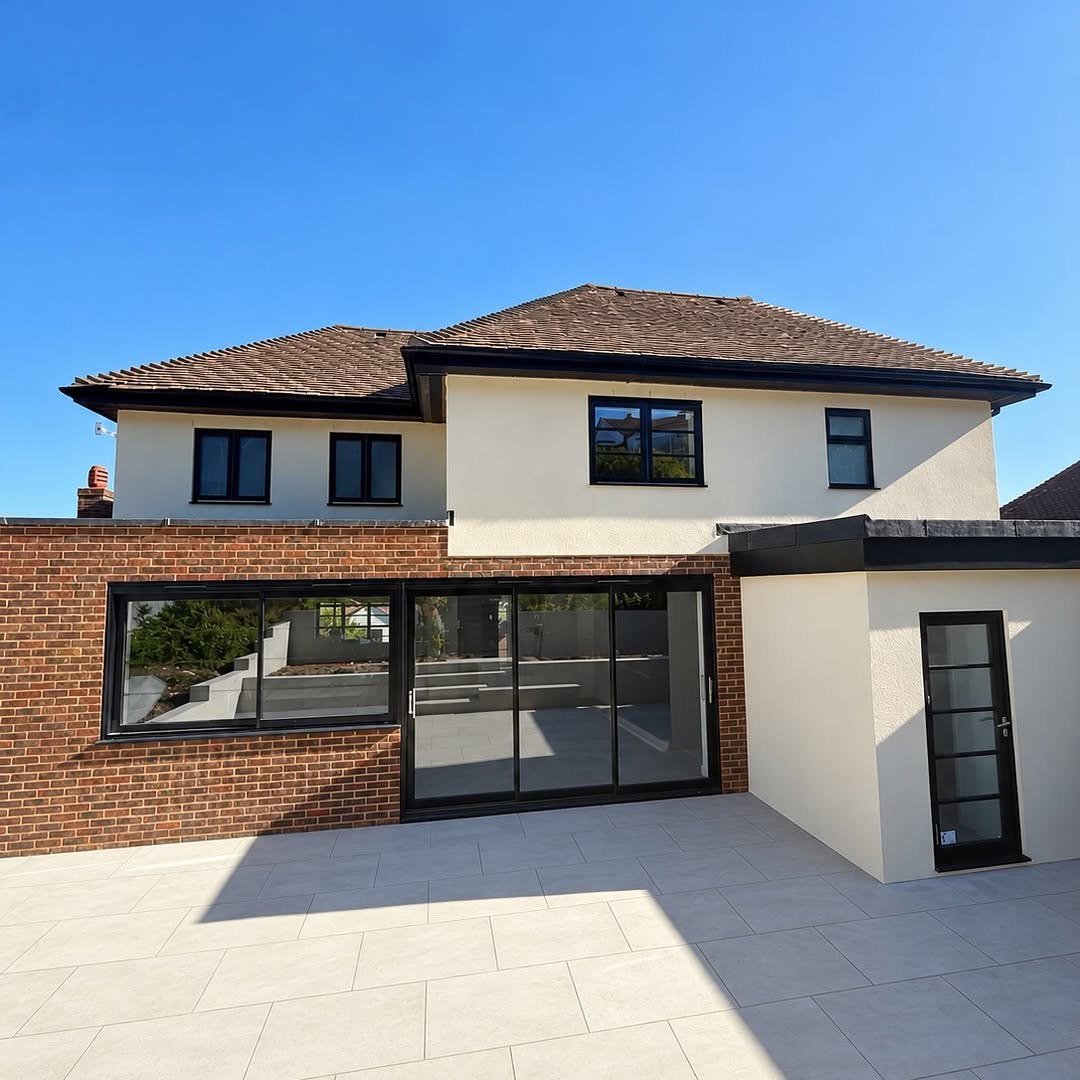
What the seafront does to a rendered wall
Bognor Regis faces the open Channel, and its weather is mild rather than gentle. The town's climate records show rainfall peaking in winter, with October, November and December each averaging 84 millimetres or more, and close to 1,920 hours of sunshine a year, which is a lot of ultraviolet for a painted wall. Storms reach the town too: the pier lost part of its length to storm damage in March 2008. For render, that combination means wind-driven rain finding every crack, salt carried inland on the breeze, and paint that fades and chalks faster than it would inland. A render that copes well on a sheltered inland street may not last as well on a south-facing elevation a few streets from the beach.
Stucco, brick and the town's rendered heritage
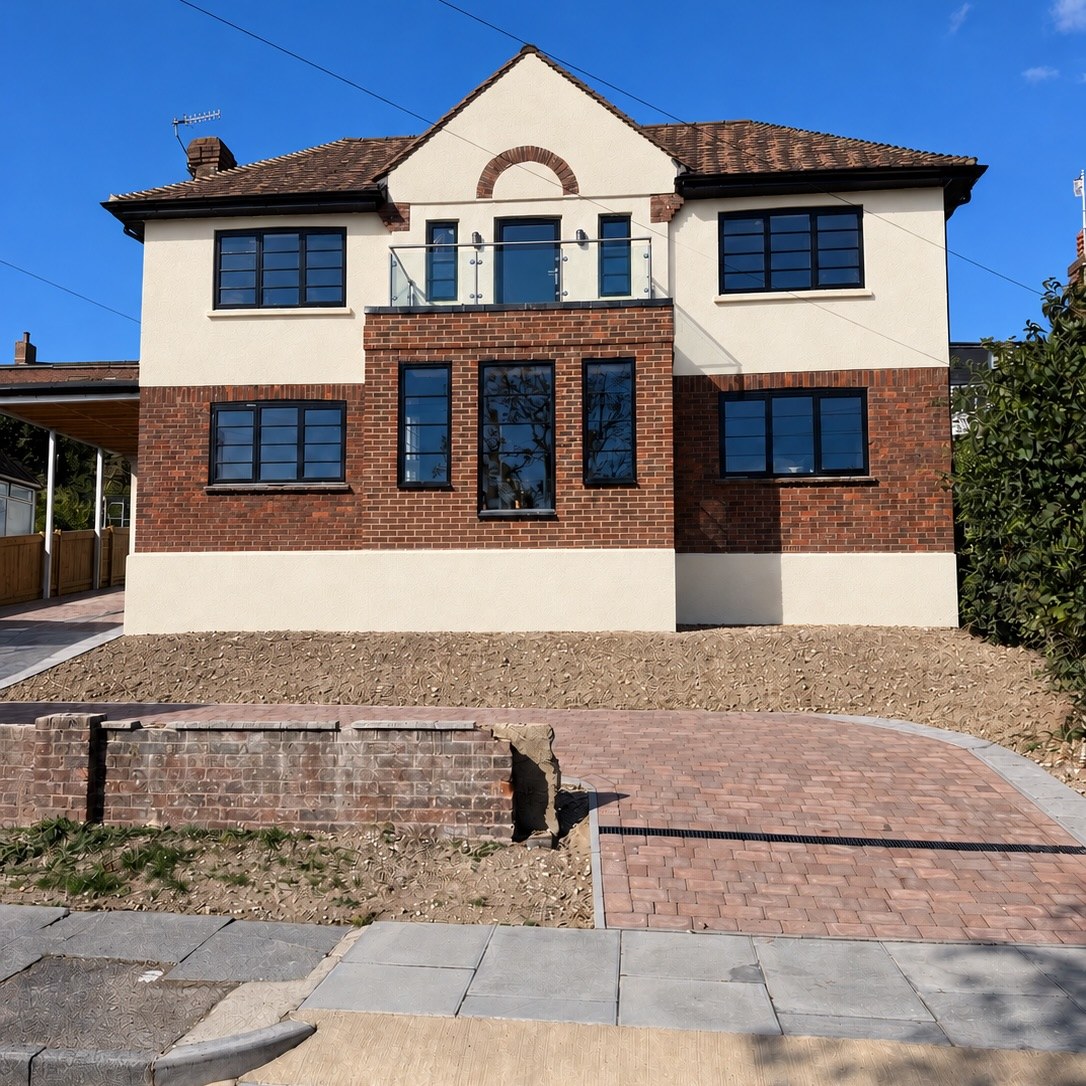
Render is part of Bognor's character. West Sussex County Council's historic survey of the town records that stucco was a widespread finish here from about 1810 to 1875. Examples it names include Hotham Park House, the stuccoed workers' cottages at 14 to 19 Scott Street, bow-fronted semi-detached houses on Glamis Street and the White Tower on Aldwick Road, an Arts and Crafts tower house of 1897 to 1898. Many of these sit in conservation areas: Arun District Council lists The Steyne, Hotham Park, Aldwick Road and the railway station area among them, and in a conservation area permitted development rights are restricted, so changing a finish can need permission.
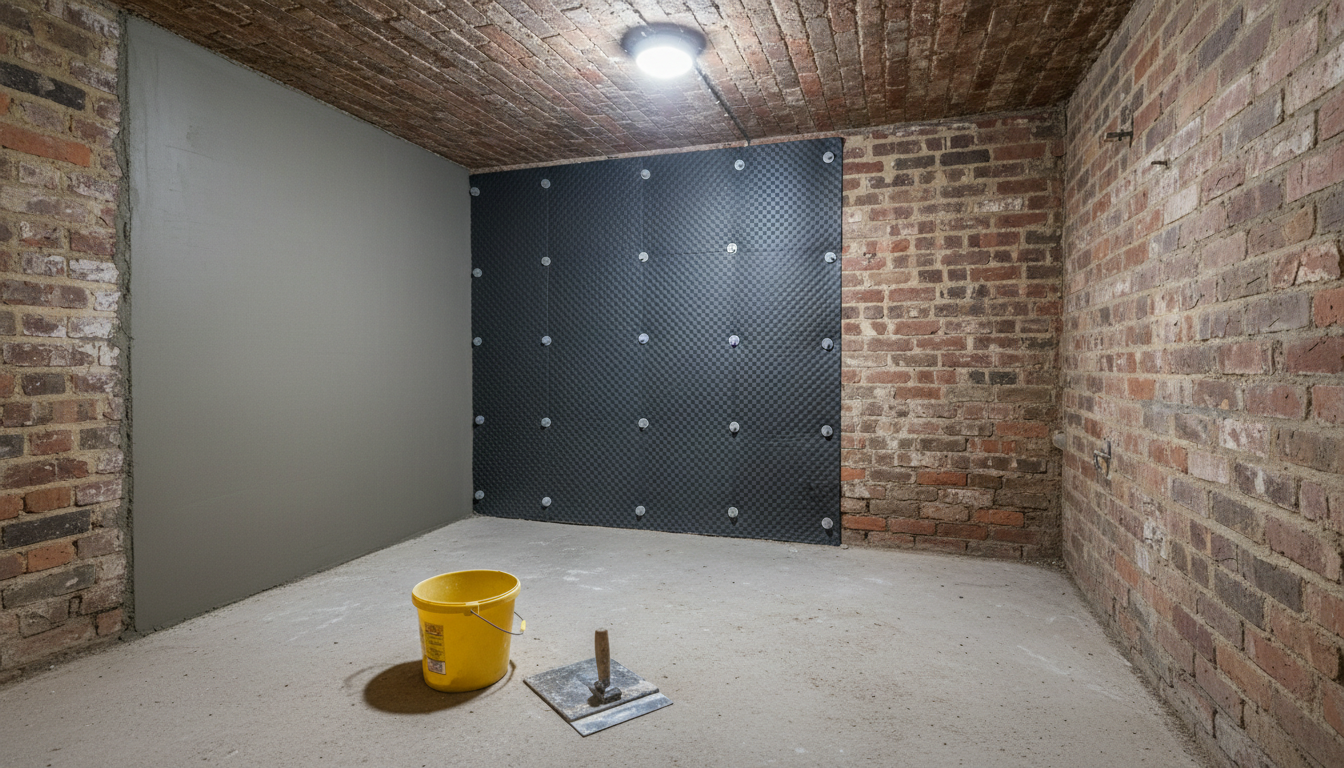
Older stucco and the solid walls behind it need to breathe. Patching soft historic render with hard sand and cement creates a rigid patch that cracks at its edges and traps moisture behind it. On walls of this age, lime render is usually the better repair, matched in texture and finish to what is already there.
Choosing a render for a Bognor house
- Sand and cement: hard-wearing on modern brick and block, then painted. Expect to repaint more often near the sea.
- Lime: breathable and flexible, the usual choice for older solid walls and period stucco repairs.
- K Rend and monocouche: through-coloured, fewer coats, no painting.
- Silicone: thin, water repellent and through-coloured, well suited to exposed elevations; see silicone rendering in Bognor Regis.
- Pebble dash: new work, or patching damaged dash to match.
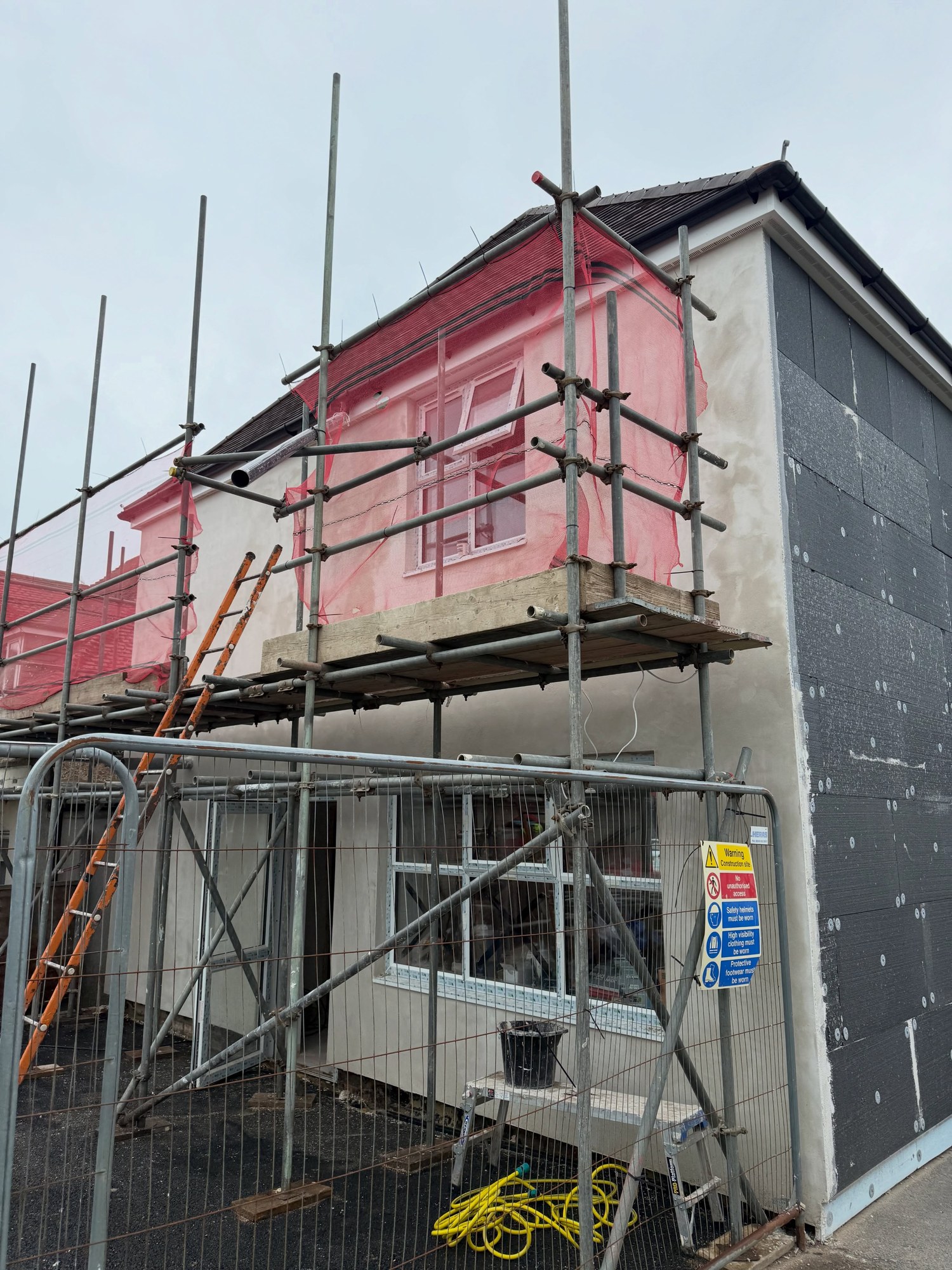
If the walls are being upgraded for warmth at the same time, insulation boards under a render finish are worth considering; see external wall insulation in Bognor Regis.
Lime render inside: the Aldwick Bay log burners
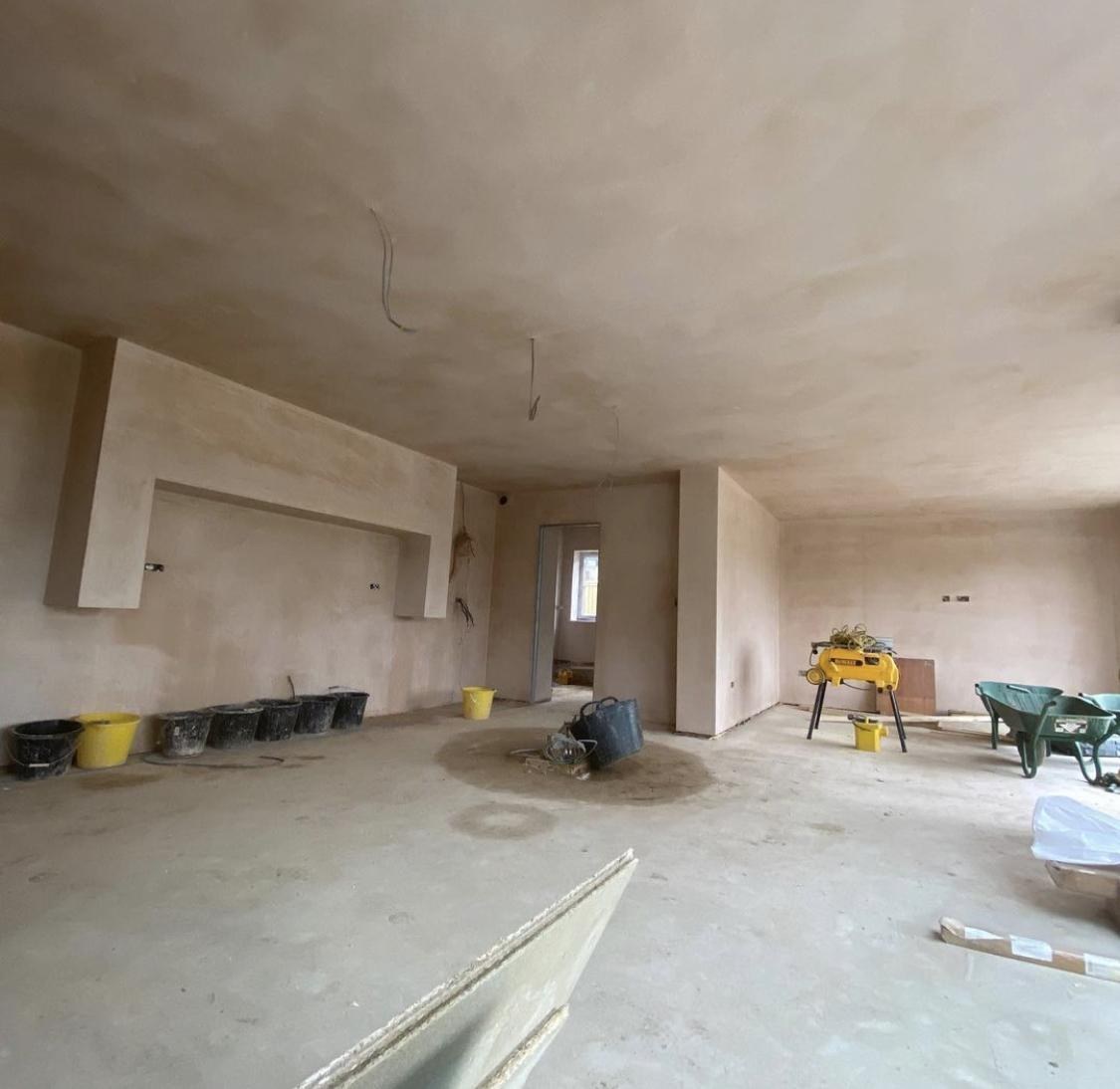
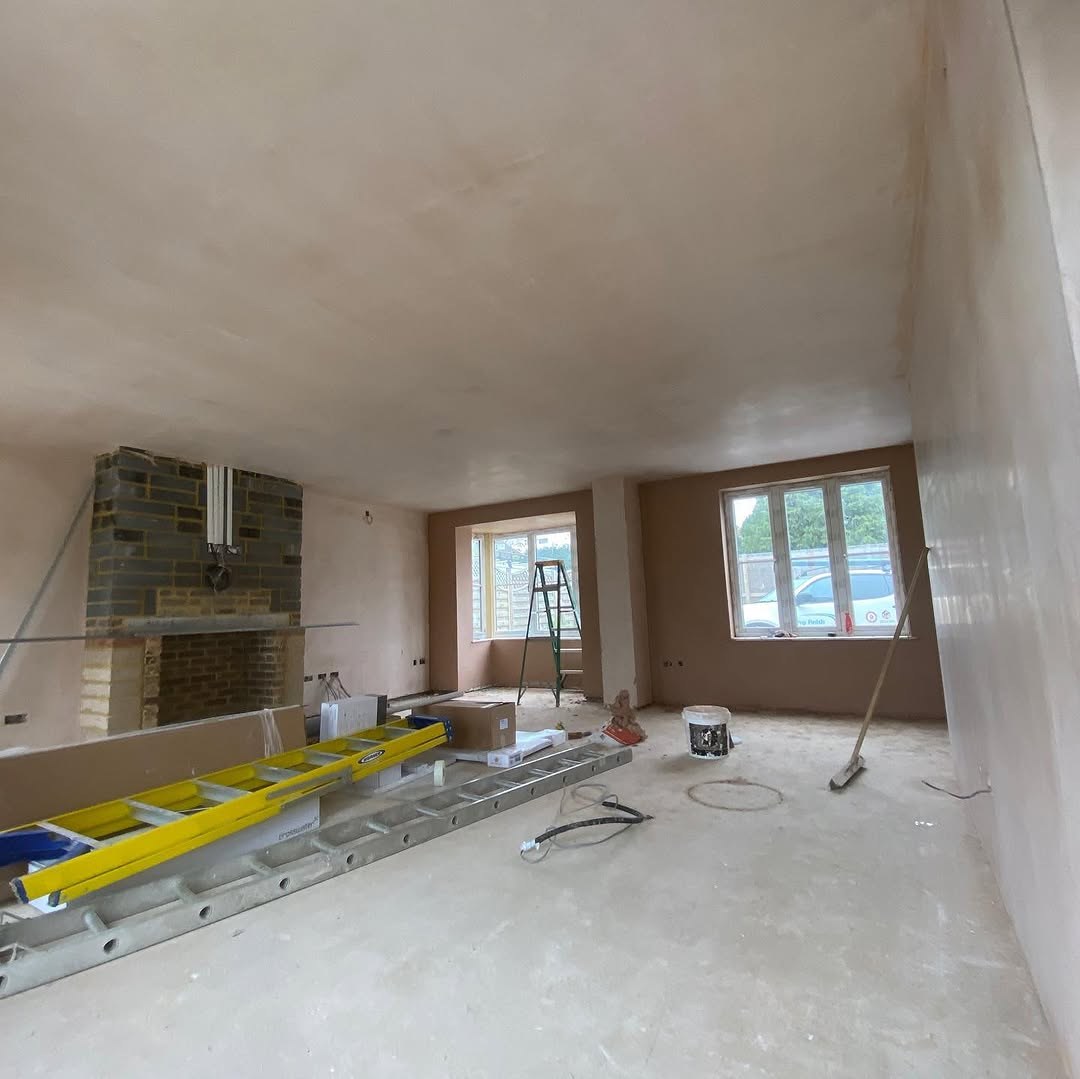
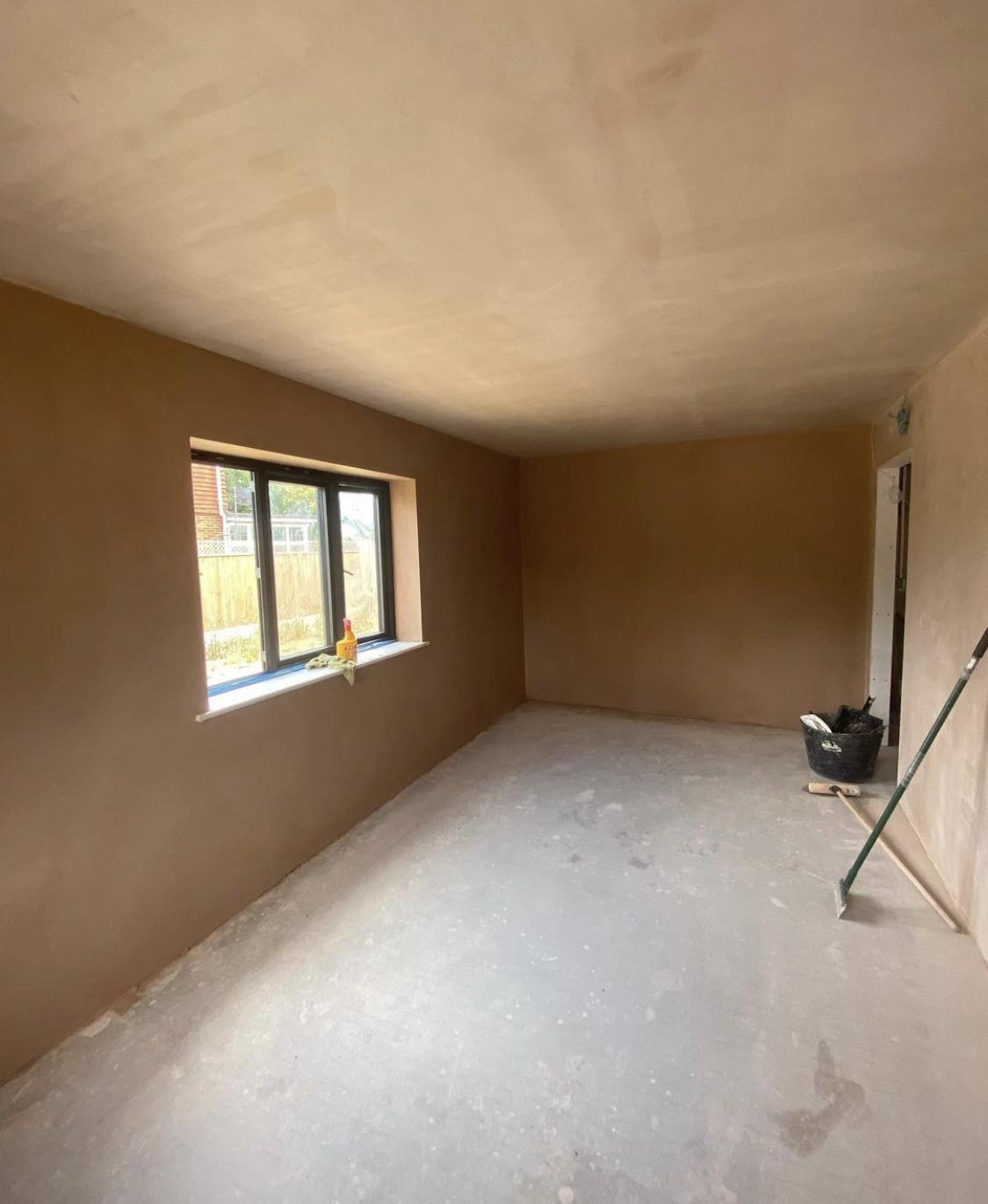
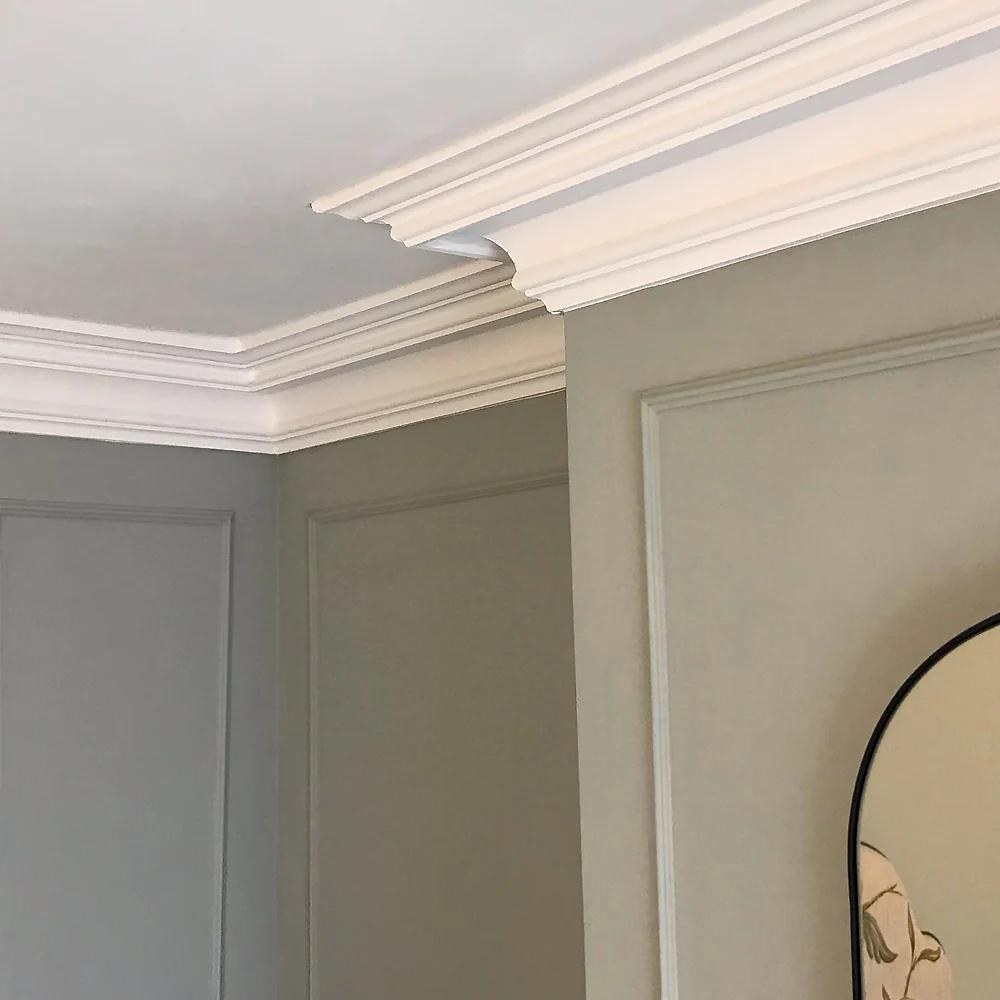
Rendering is not only an outside job. On our six bedroom new build at Aldwick Bay, the openings for the log burners were finished in lime render, which copes with the heat around a stove better than gypsum plaster. The rest of the house was plastered and skimmed, and the job is written up on our projects page.
Planning an exterior render job
Winter on this coast is wet and windy, and render must not go on in frost, heavy rain or fierce sun, so most exterior work is best booked for spring to early autumn. Before we quote, we check whether the existing render is sound or hollow, how the wall copes with water at its base, and whether beads, sills and drips are doing their job. For more on the systems we use, see our rendering service, or browse everything we offer in Bognor Regis. Free, no-obligation quotes on 07824 165672.