A village with a rendering tradition
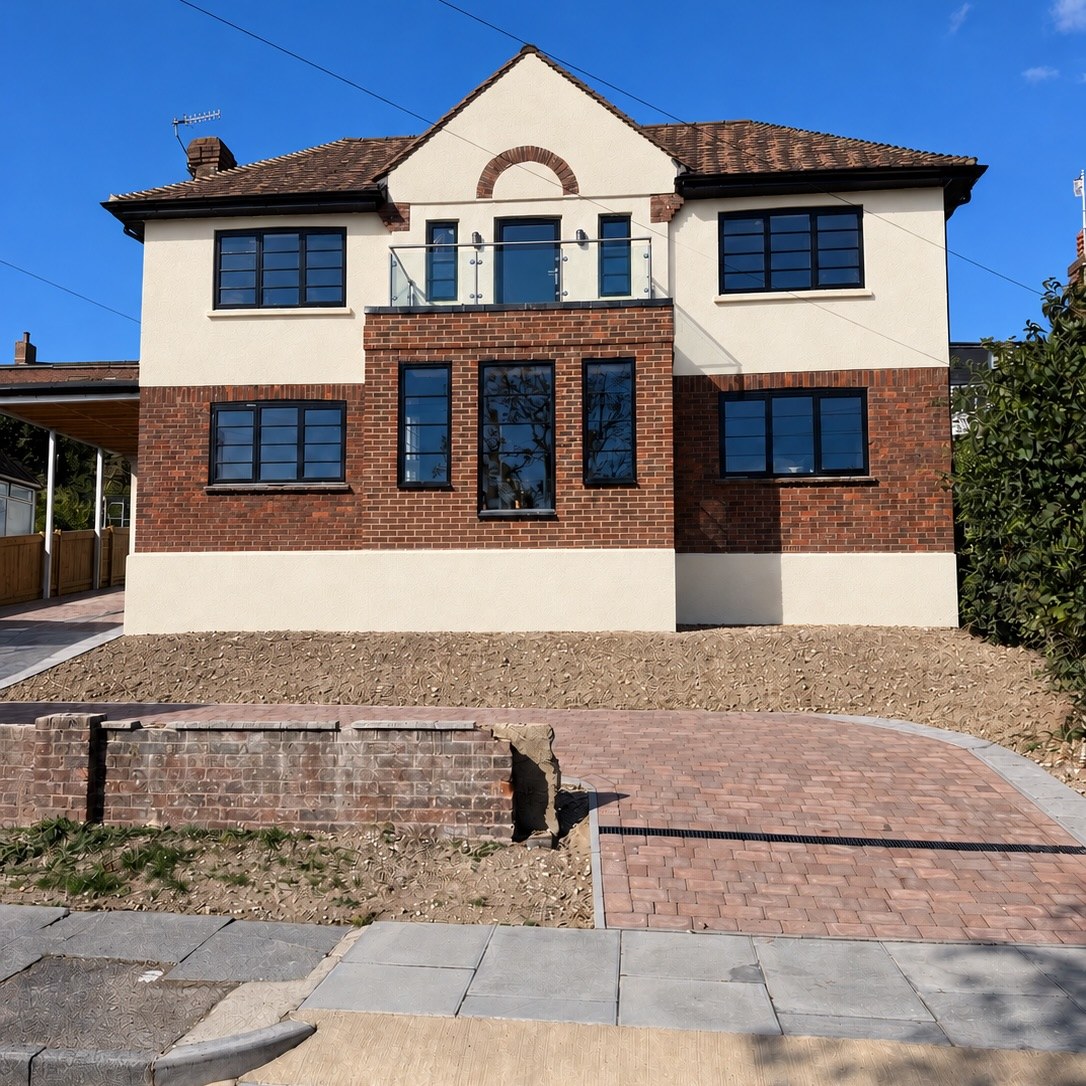
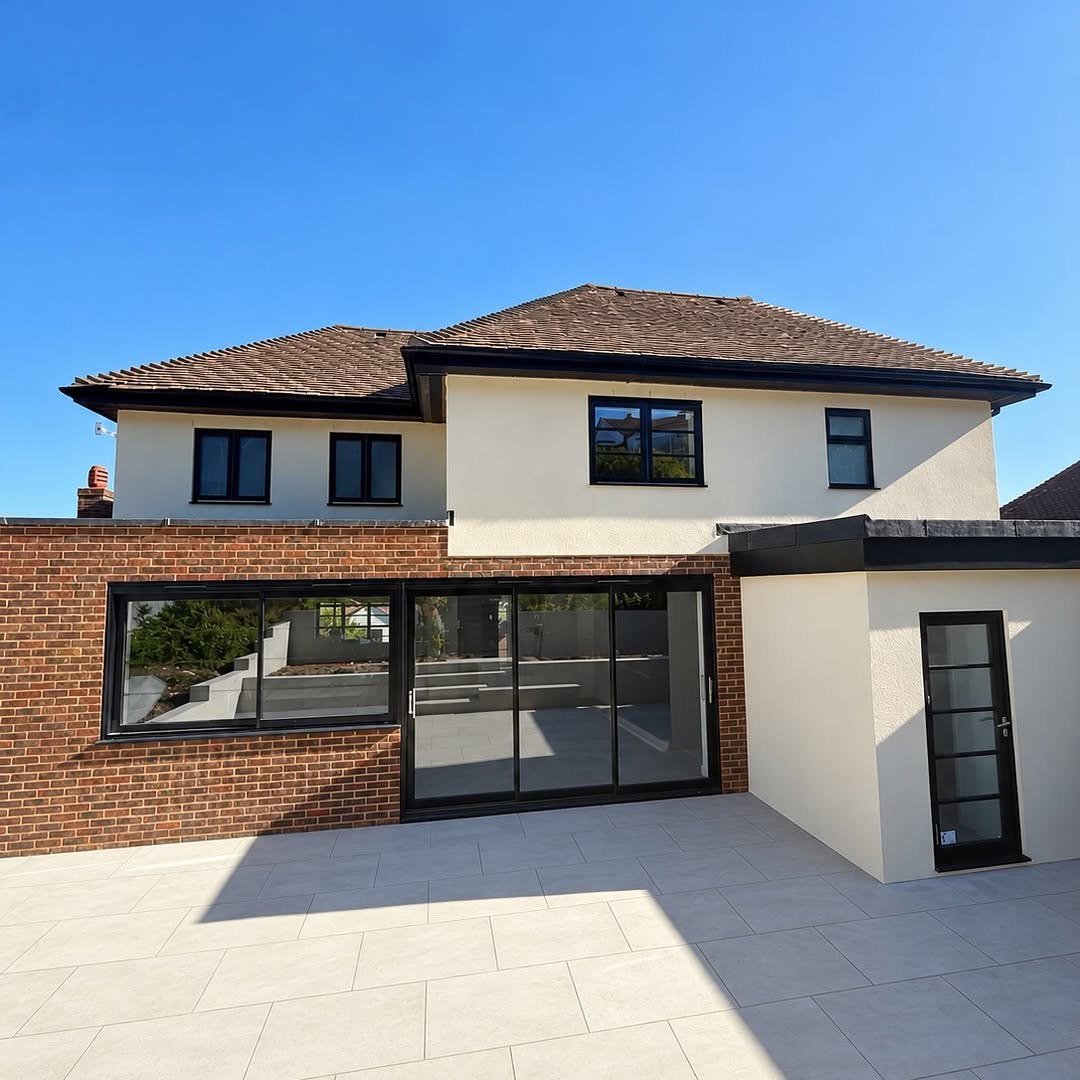
Render has been part of Angmering's look for a long time. Arun District Council's 2026 appraisal of the Angmering Conservation Area lists several stuccoed buildings: Pound House in Roundstone Lane, from the 18th century; the Spotted Cow on the High Street; The Malt House on Weavers Hill; and White House, also on the High Street. Waterton House is another early 19th century stuccoed house, The Lamb Inn is faced with roughcast, and the 1822 east wing of Ham Manor, now the golf clubhouse, is faced with Roman cement, an early hydraulic render. The appraisal describes rendered and painted houses in off-white, cream and soft pastel tones that contrast with the darker flint and brick around them, and notes that more recent buildings in the area tend to be brick or painted render.
Repairing historic render
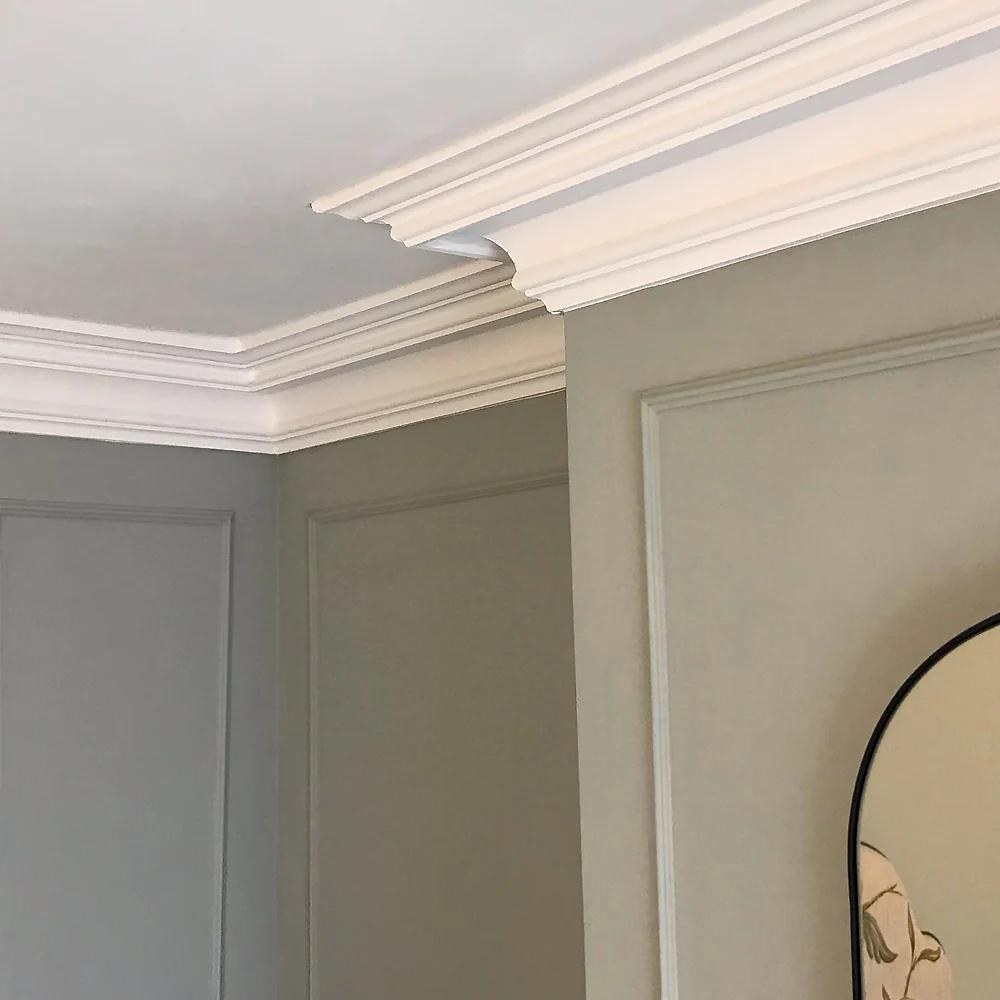
Old stucco and roughcast were made to work with soft, solid walls, and they need repairing in kind. Patching a lime-based stucco with a hard cement mix usually ends in cracking around the repair and moisture trapped behind it. On these buildings we use lime, matching the texture and thickness of the existing coat as closely as possible, and we cut back only what is loose or hollow. If the building is listed, or in the conservation area, talk to Arun District Council before work starts; any change of finish or colour is likely to need their agreement.
Modern houses across the parish
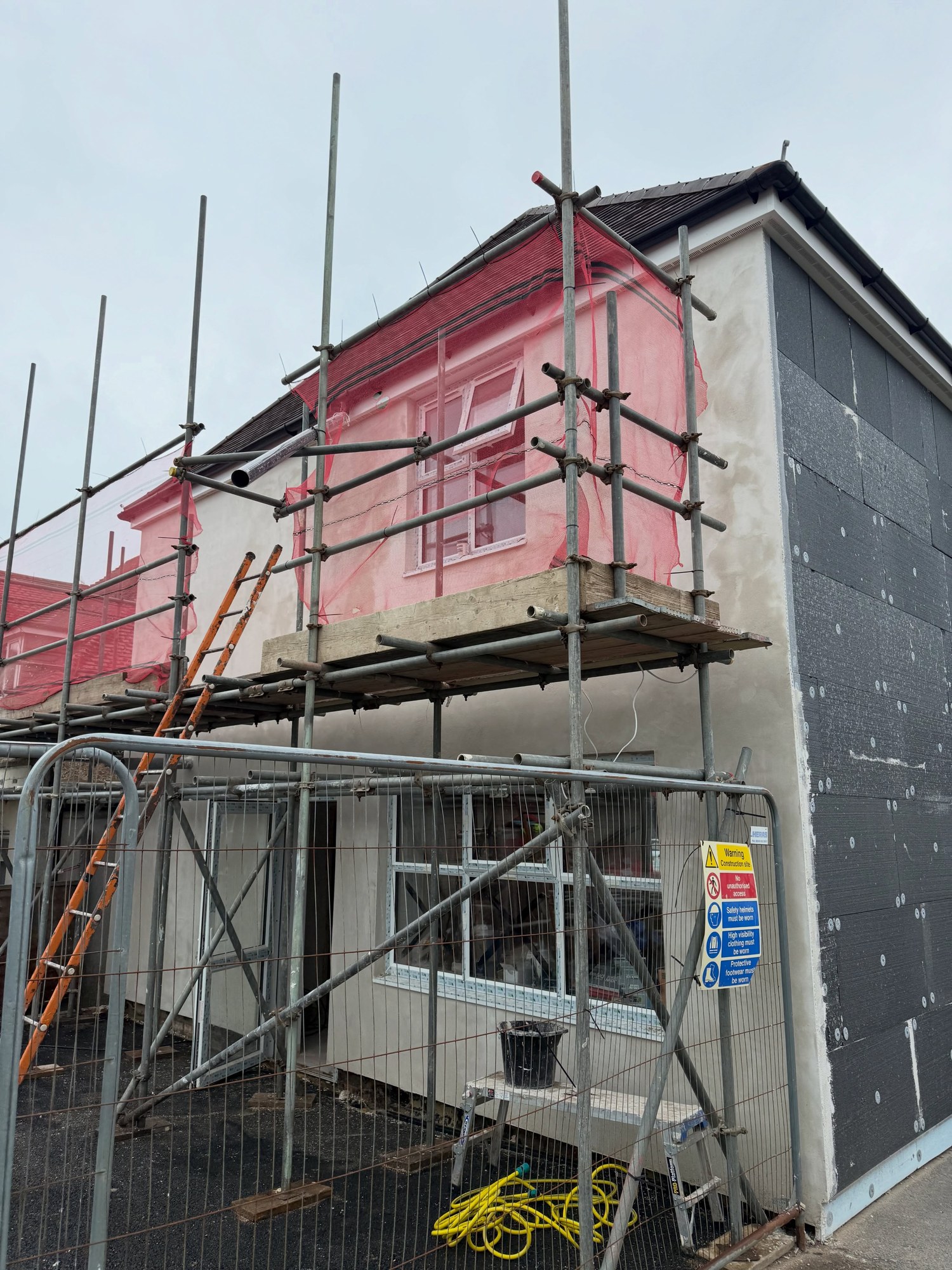
Most of Angmering's growth came after the 1930s, and on the brick and block walls of those newer homes the choice is wider. Sand and cement is the traditional hard render, normally painted. K Rend and monocouche are through-coloured, so there is nothing to repaint. Pebble dash can be patched where it has blown or covered when the whole face is tired. For a thin coat with strong water repellence, a silicone system is often the best answer; see silicone rendering in Angmering.
Water at the base of the wall
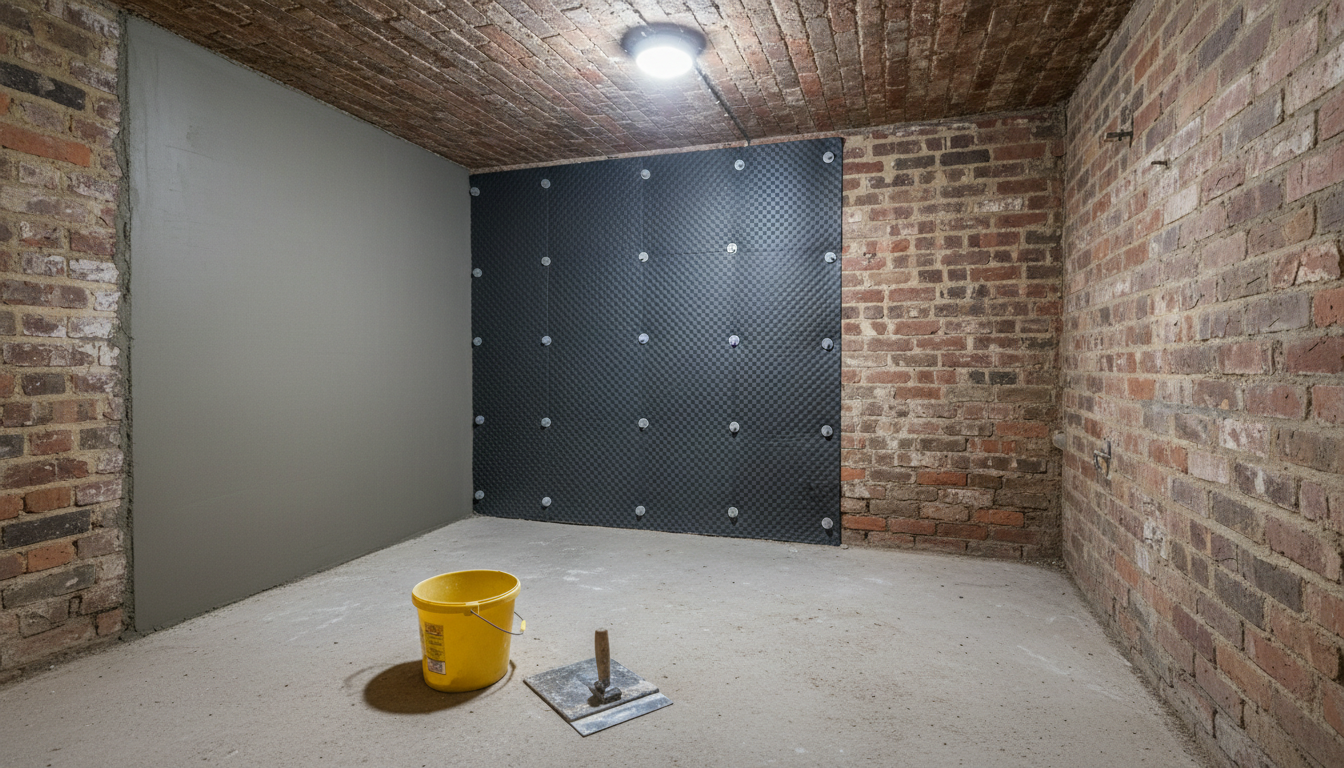
Angmering sits at the foot of the South Downs, and the Angmering Neighbourhood Plan describes the village as prone to surface water and groundwater flooding. That makes the bottom of a rendered wall the place to get right. The render should stop on a bell-cast bead above the damp proof course rather than running down to the ground or a raised path, where it would wick water up into the wall. Downpipes should discharge into drains, not onto the foot of the wall. If a wall is already damp, the cause comes first, which our page on damp proofing in Angmering explains.
Planning in two jurisdictions
About two-thirds of the parish, mostly north of the A27, lies in the South Downs National Park, where planning is handled by the National Park Authority; the village itself is under Arun District Council. In a conservation area or a National Park, the permitted development rights that normally allow a house to be clad in render are more limited, so check before turning a brick or flint wall into a rendered one. Our rendering service lists every system we apply, and the Angmering page shows our other work here. Call 07824 165672 for free advice and a quote with no obligation.