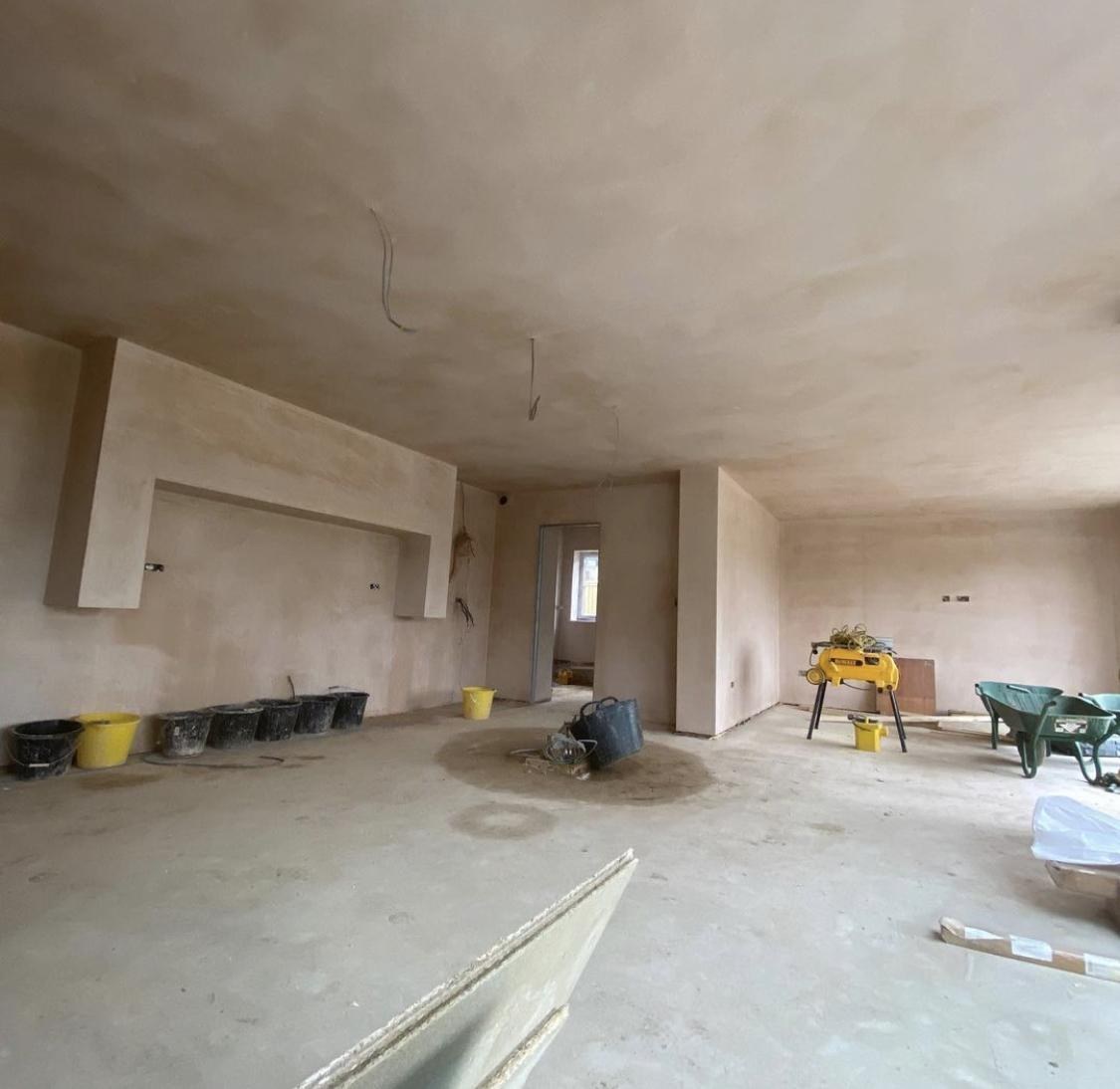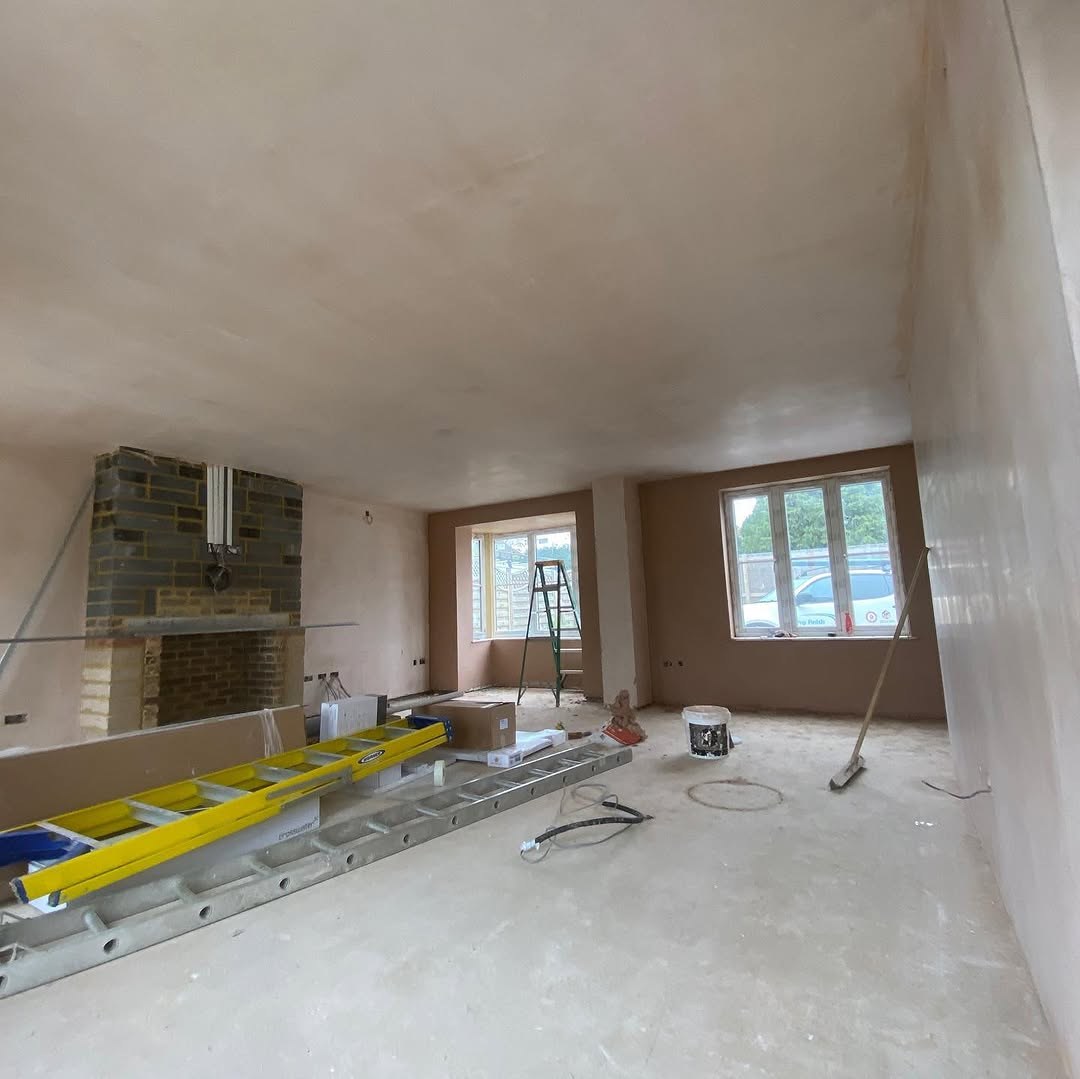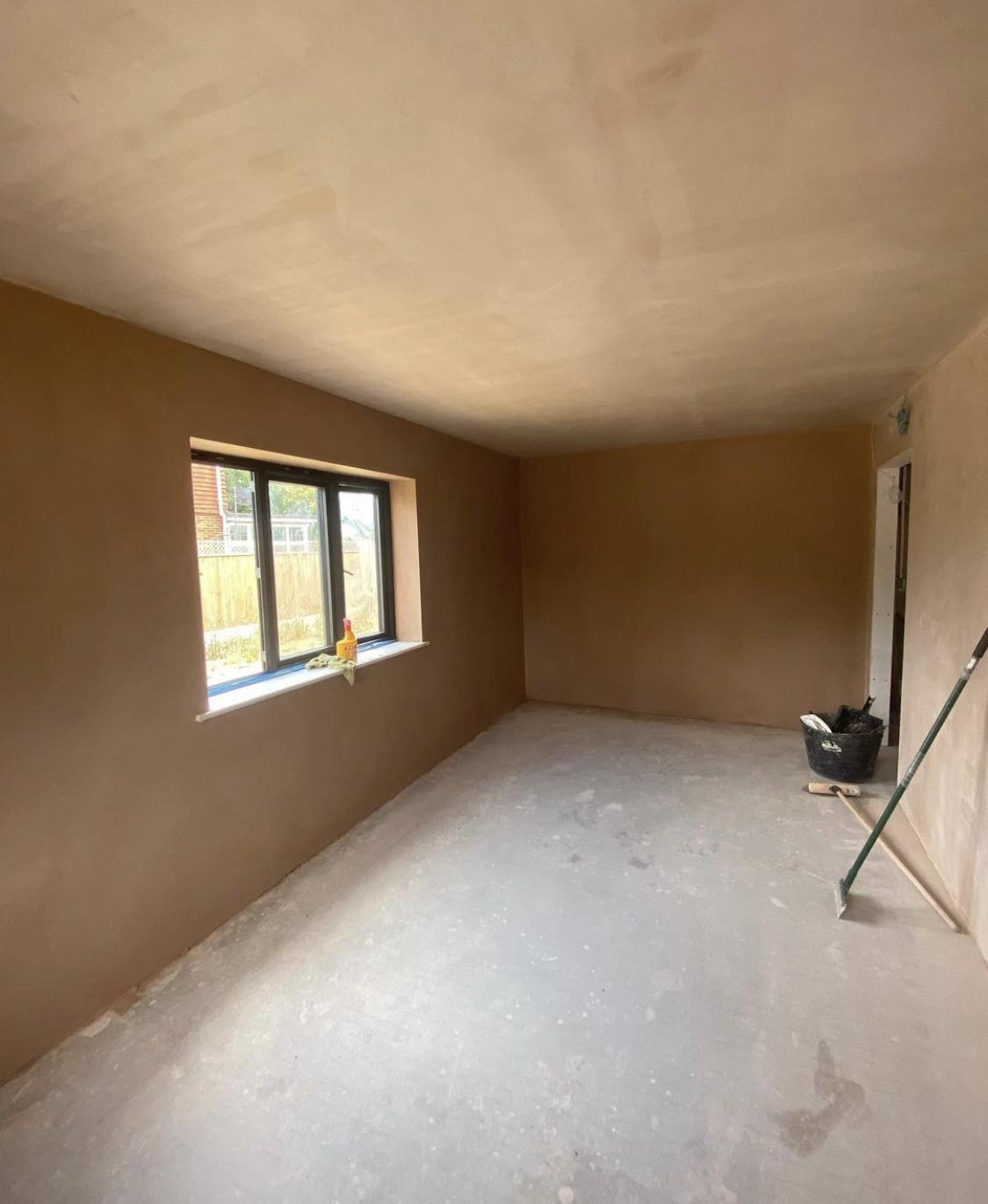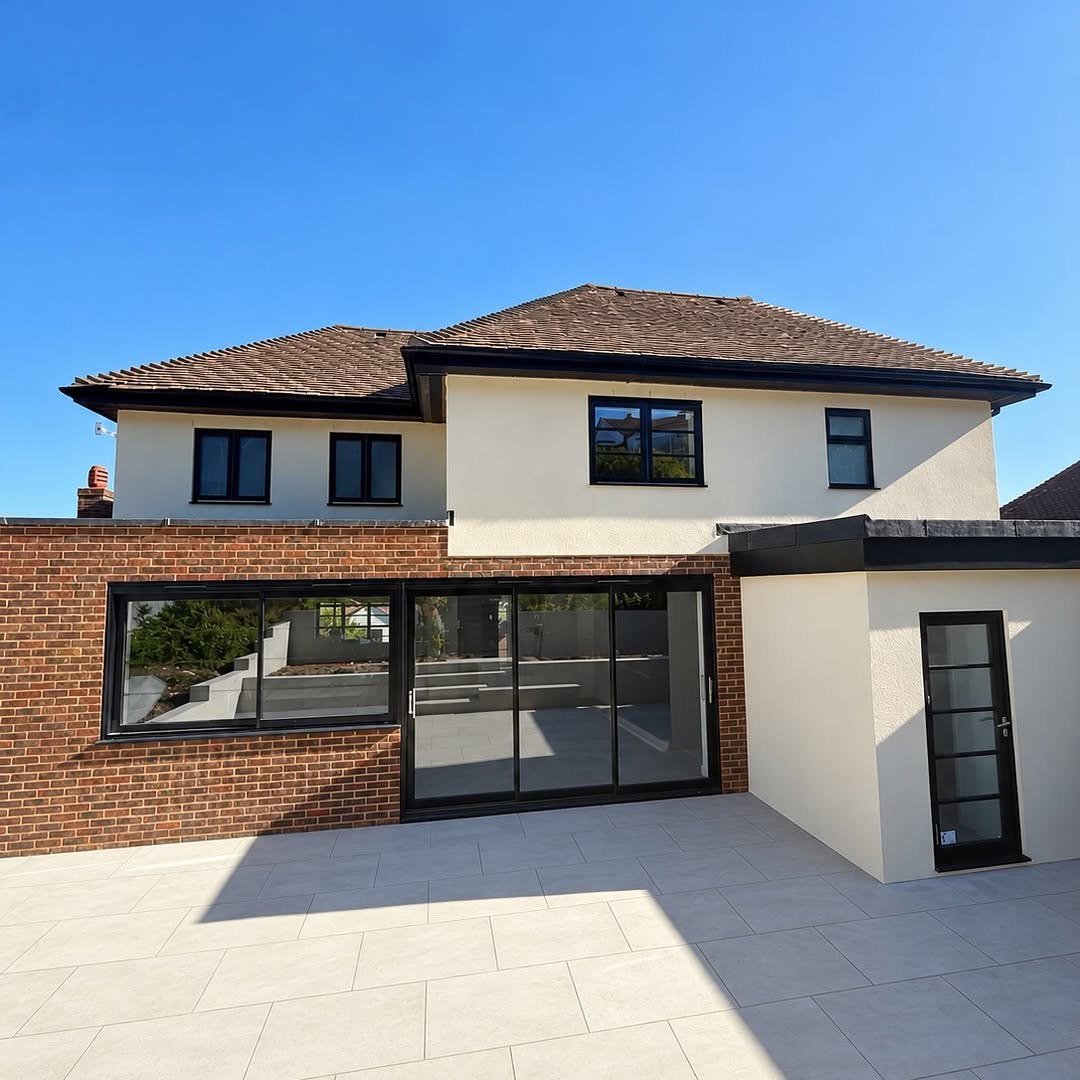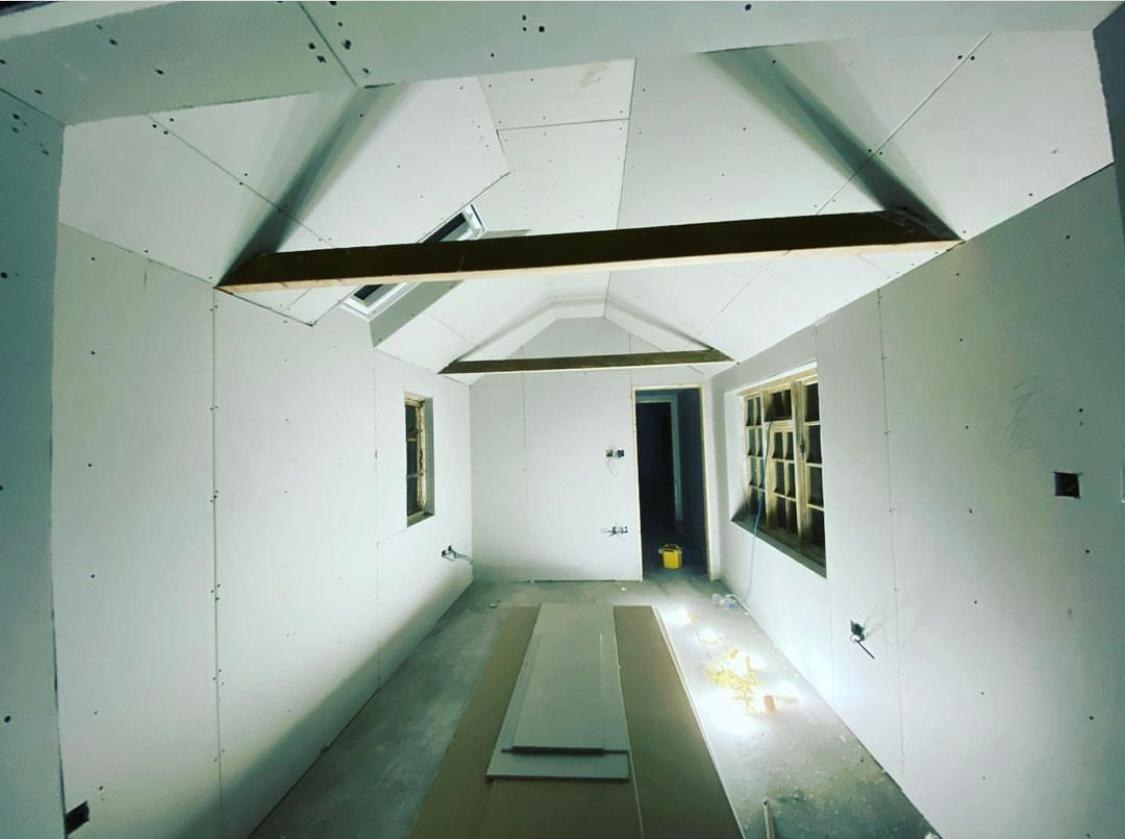
Dry lining in Worthing tends to fall into three kinds of job. The first is conversion: after the war many of the town's large suburban houses were divided into flats, that work still goes on, and every new layout needs partitions, lowered ceilings and proper separation between homes. The second is the loft: the interwar and post-war suburbs of Goring, Durrington, Findon Valley and High Salvington include plenty of houses and bungalows with roof space to spare for a bedroom or study. The third is warmth: older solid walls that feel cold to the touch and grow mould behind the wardrobe.
Splitting a house into flats
When one house becomes two or three homes, the walls and floors between them carry a lot of responsibility. Building Regulations set standards for fire separation and sound between dwellings, and meeting them is mostly a matter of detail: fire-rated boards in the right layers, mineral wool packed into the void, joints and edges sealed so smoke and sound cannot find a way round. A metal frame (MF) ceiling hung below old joists creates a level ceiling, a void for insulation and services, and a separate layer between the flat upstairs and the one below. Metal stud partitions form new bathrooms and bedrooms quickly, with space for cables and acoustic insulation inside.
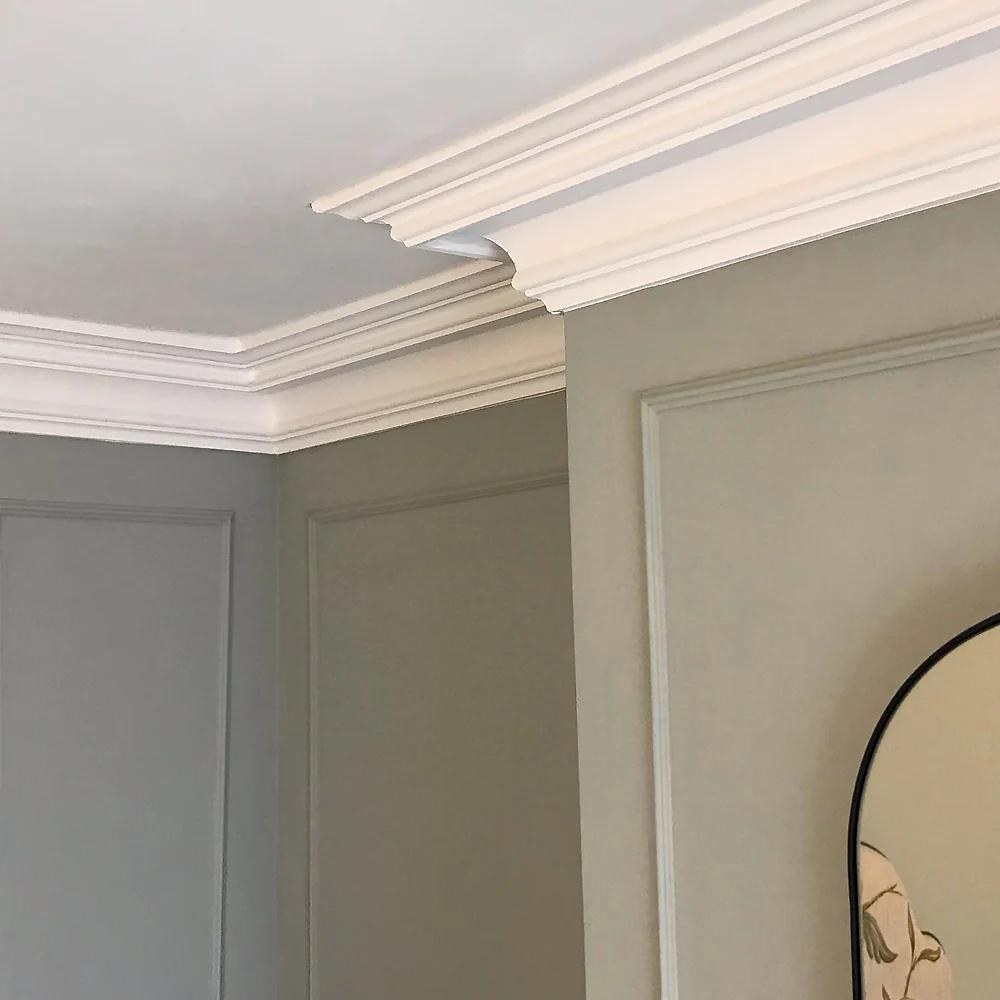
In the older houses of Heene or around the Steyne, ceilings are often tall and walls not quite square, so the frame is set out to give straight lines without boxing in original features you may want to keep, such as a cornice or a bay window. Many of those streets are conservation areas, which affects outside changes but rarely the inside of an unlisted house.
Loft rooms in bungalows and semis
A loft becomes a room by insulating the roof slopes and ceiling, boarding everything and skimming it. Rigid insulation boards such as Celotex fit between and below rafters, rock wool fills stud walls, and boards are tacked to the timbers with joints staggered so the skim does not crack along them. Fire-rated boarding matters where the loft becomes a habitable room over the stairs, and good sealing around roof lights keeps condensation down. In a bungalow, the room sizes depend on the roof pitch, so it is worth getting the structure designed first and then planning the boarding around it.
Lining cold solid walls
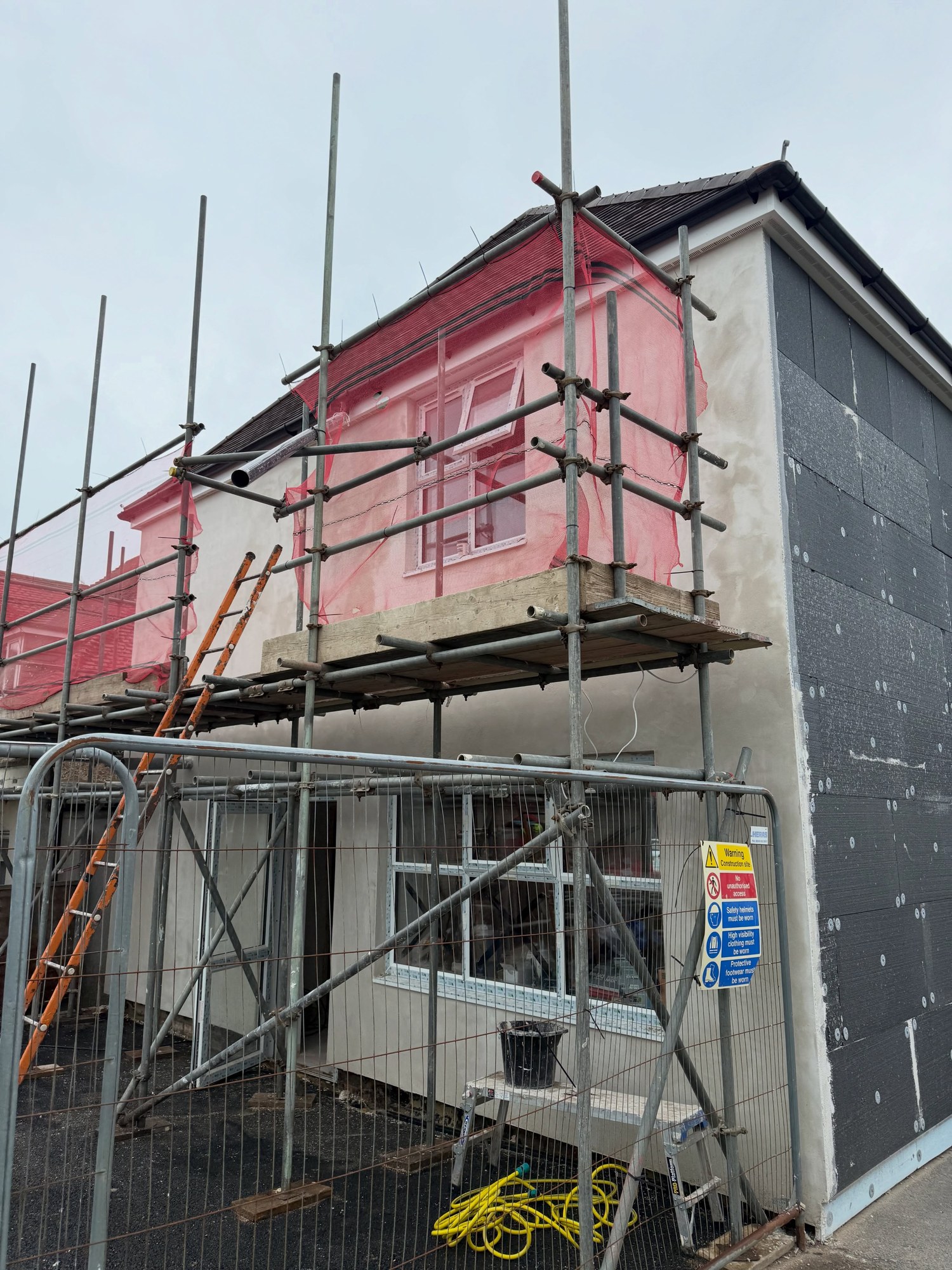
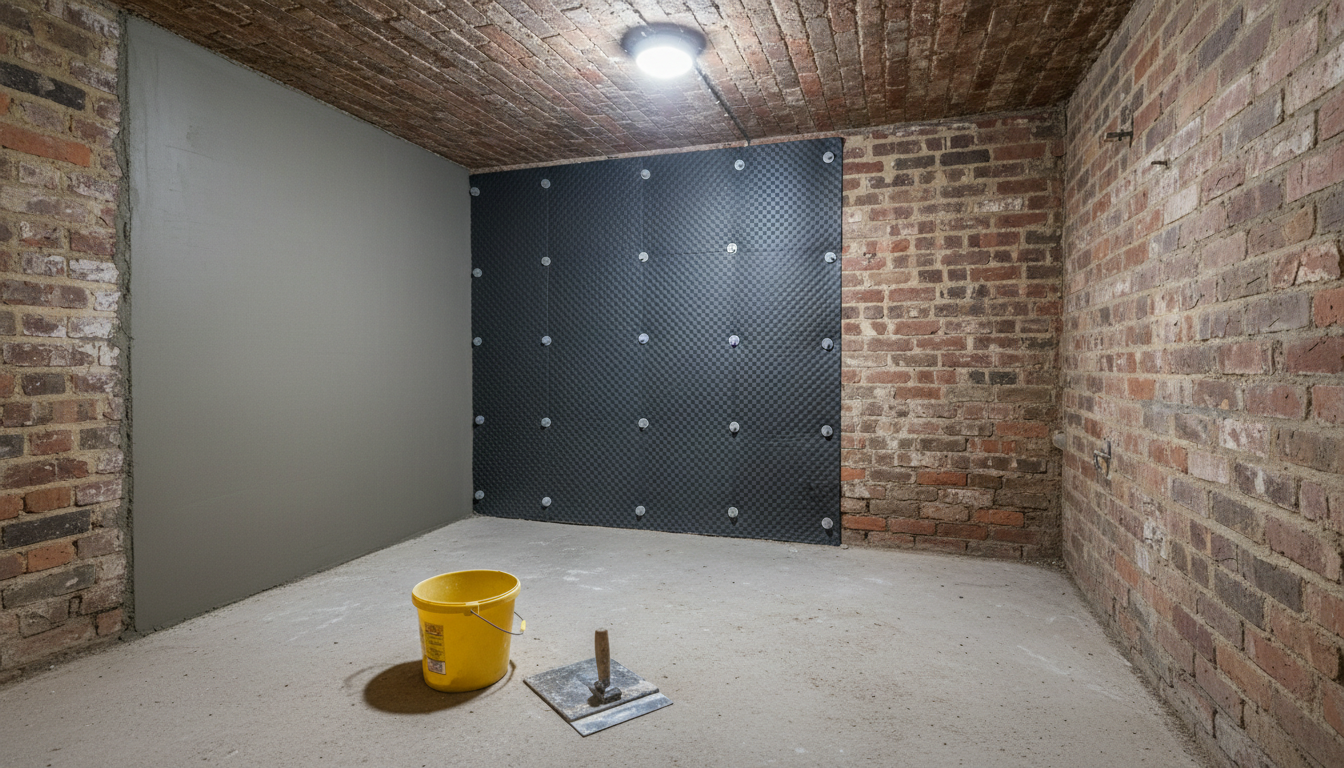
Older houses with solid walls lose heat through the masonry and are prone to cold spots where mould settles. Insulated plasterboard fixed with dot and dab, or on battens where the wall is uneven, brings the inside surface temperature up and stops condensation forming. It takes a little floor space, so it suits bedrooms and back walls more than narrow hallways. Where the outside of the house can change instead, external wall insulation in Worthing keeps the rooms at full size.
Boarding finished by plasterers
Because boarding and finishing are done by the same people, the boards go up with the finish in mind: firm fixings at the right centres, beads on every corner, and reveals set out square. The surface then gets a two-coat skim in British Gypsum plaster, described on our plastering and skimming page for Worthing.
See plasterboarding and dry lining for the full service, or the rest of our work in Worthing. Call 07824 165672 for free, no-obligation advice.