Conversions on Brighton's hills
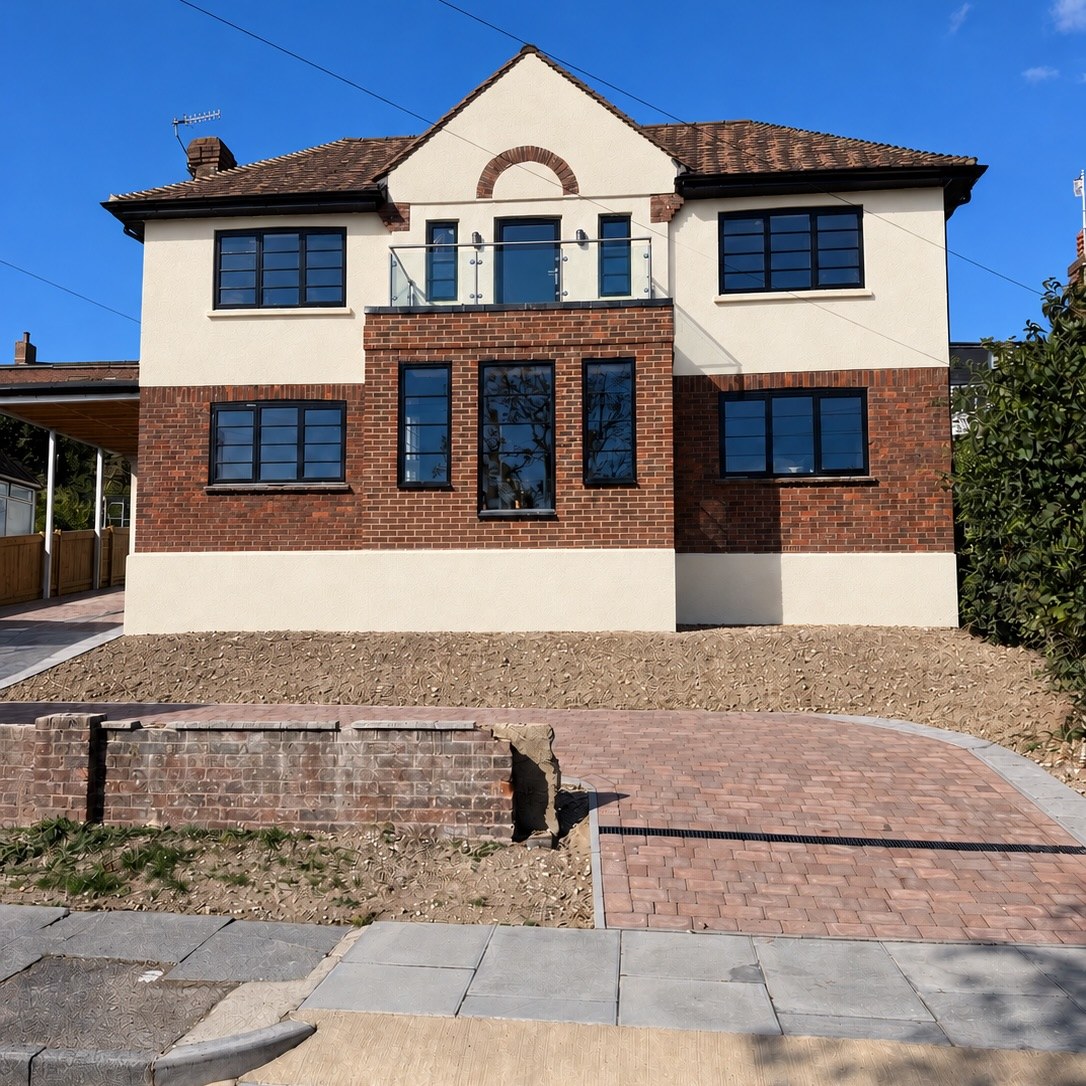
A great deal of Brighton's housing has been reworked from within. Round Hill, built up mostly between the 1860s and the 1880s, is a mix of owner-occupied and privately rented terraces, and much of it has been converted for multiple occupation. The Elm Grove district is described in the council's own characterisation study as a high density Victorian residential area following the contours of a steep valley side. In Kemptown, grand Regency buildings have been turned into flats and bars. Every one of those changes of layout means new partitions, ceilings and linings, and the way they are built decides how warm, quiet and safe the finished homes are.
Sound and fire between neighbours
When one house becomes several homes, the walls and floors between them have to stop noise and slow fire, and Building Regulations set standards for both. Dry lining is the usual way to get there. Typical measures include:
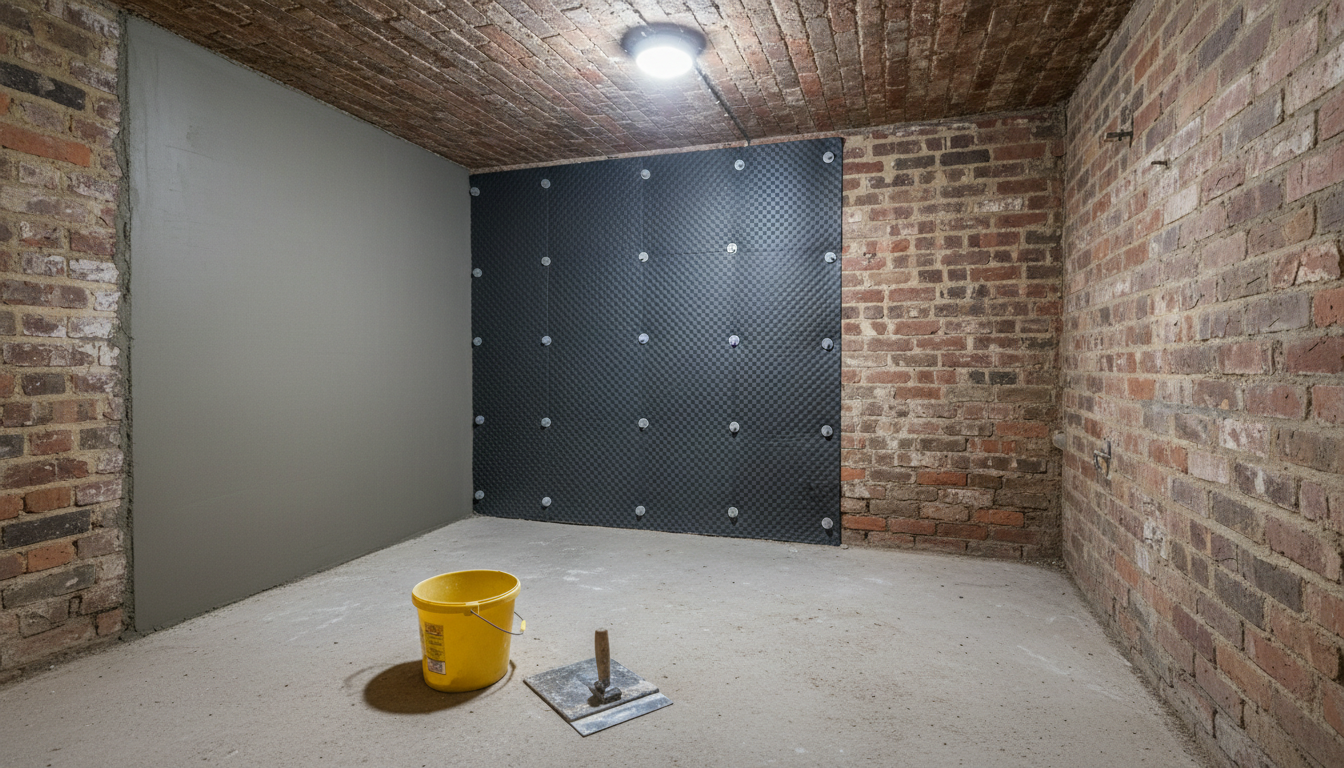
- an independent metal stud lining in front of a party wall, with acoustic insulation in the gap
- denser or fire-rated plasterboard in two layers, with joints staggered
- a metal frame ceiling hung below an old floor, with insulation in the void
- careful sealing around sockets, pipes and junctions, where sound and smoke find a way through
The details matter more than the board itself. A partition that stops short of the ceiling, or a downlight cut through a fire-rated layer, can undo the rest.
Lofts and back additions in Victorian terraces
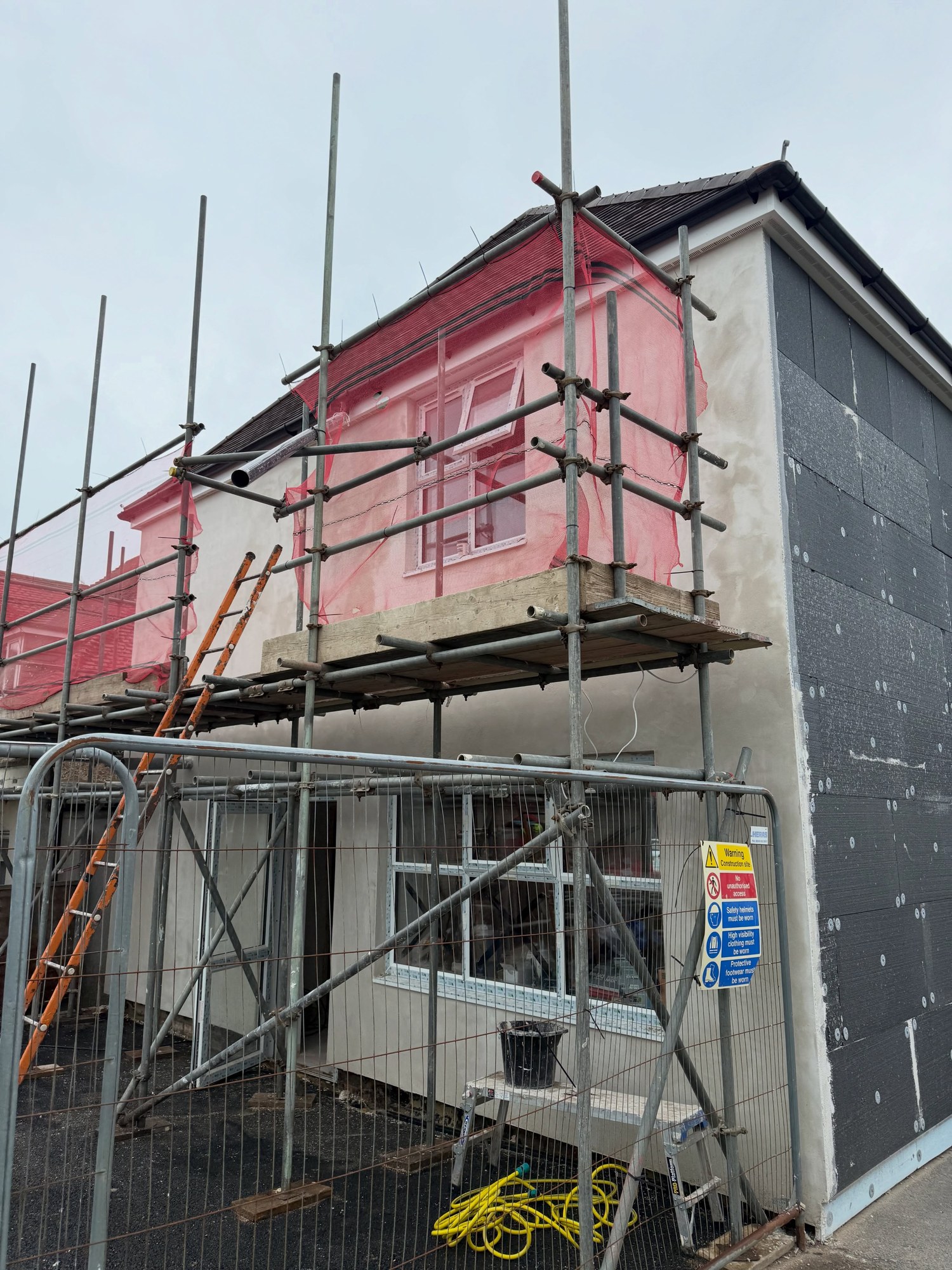
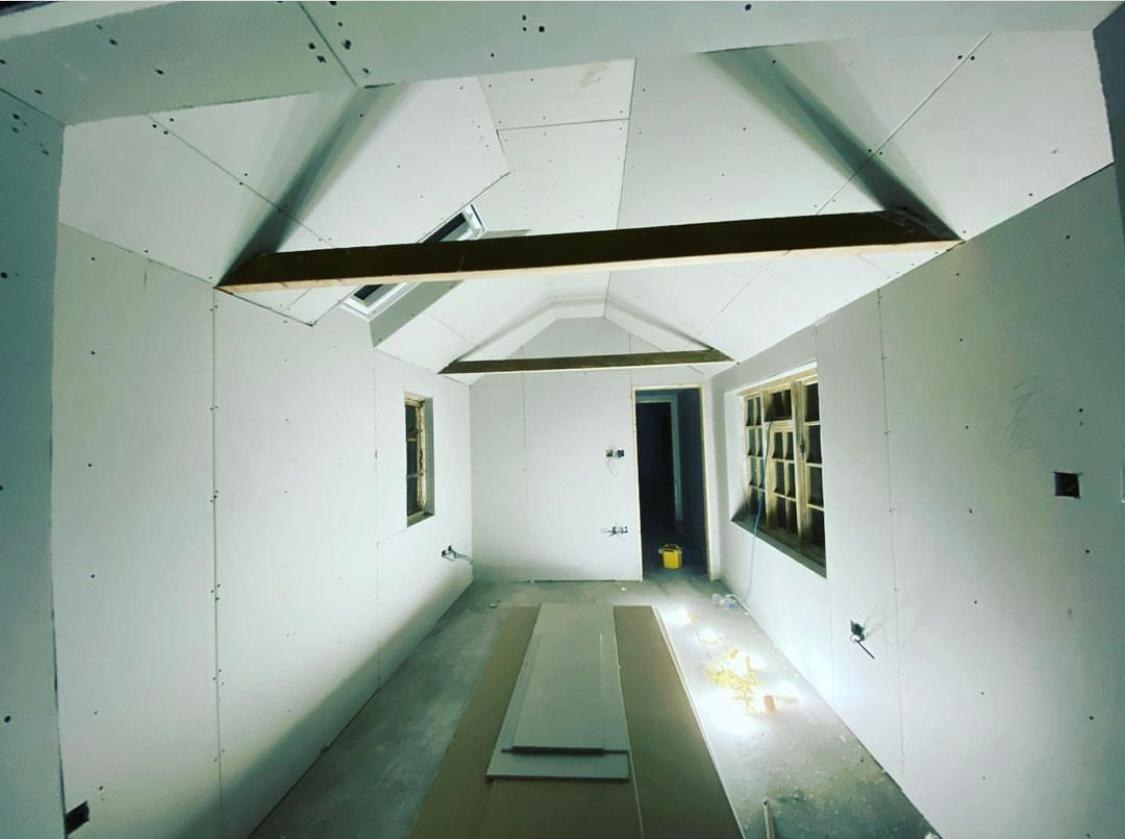
If you own one of the Victorian terraces in Hanover, Round Hill or Elm Grove and want to use the roof space, the dry lining side of a loft room is work we take on. We fit rigid insulation boards such as Celotex between and below the rafters, board the slopes, build stud walls filled with rock wool and finish everything with a two-coat skim. Cold rear additions can be lined with insulated plasterboard in the same way.
Levelling tired ceilings
Old ceilings in converted houses are often uneven after a century of alterations. A metal frame (MF) ceiling hangs a straight grid below the existing structure, giving a level surface, a void for new services and space for insulation, without taking down what is above. It is also a tidy way to lower a ceiling in a converted room where pipes or ducting have to run across, and it can carry the fire-rated boards a conversion often needs. Before a frame goes up, check that there is enough height to keep sash windows and door heads clear.
Practical points for Brighton jobs
- Steep streets and the cat's-creep staircases of Round Hill can make deliveries awkward, so tell us about access when you get in touch.
- In a leasehold flat, check whether the freeholder or managing agent must agree the work.
- Agree the layout before boarding starts, because moving a stud wall later means starting again.
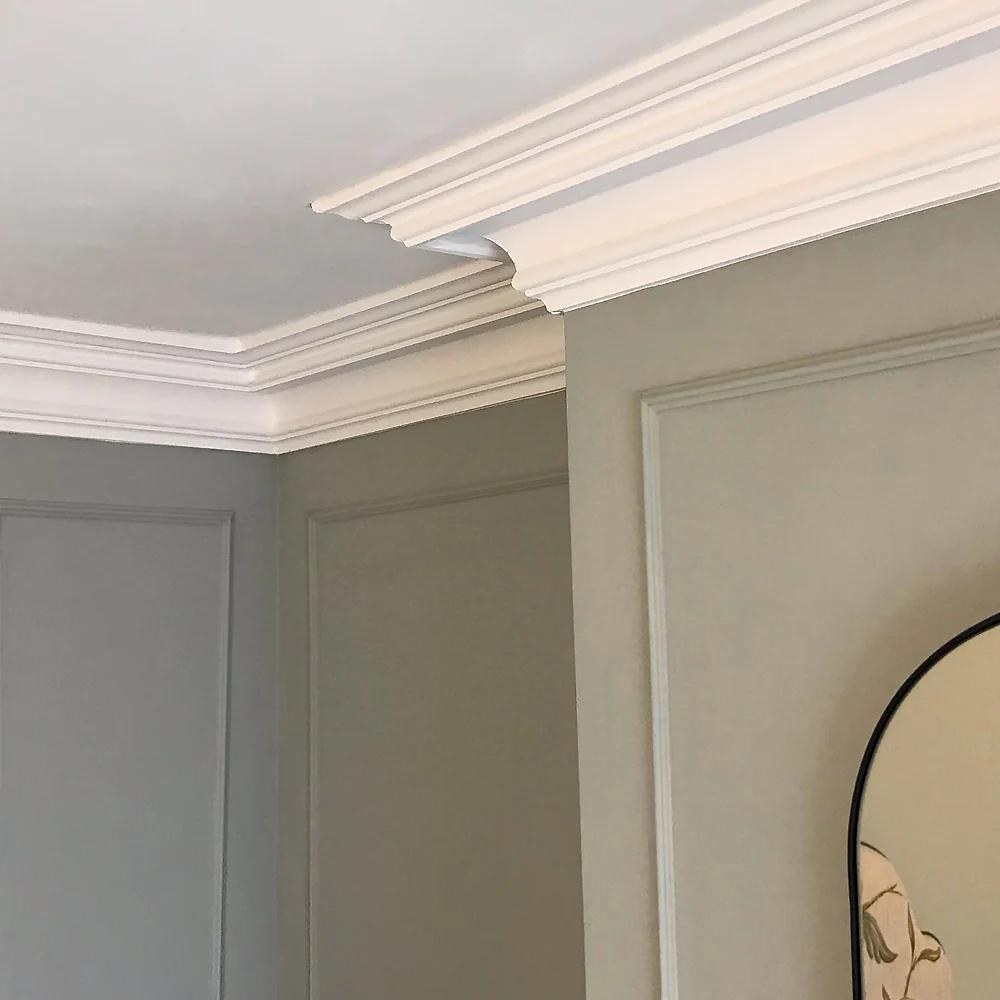
Boarding is only half the job, and our plastering and skimming in Brighton covers the finish. Where a solid wall would serve better, see float and set in Brighton. Pro Finish Plastering works right across Brighton, and the main plasterboarding and dry lining page has more on the systems we install. Call 07824 165672 for free, no-obligation advice.