A town built in waves
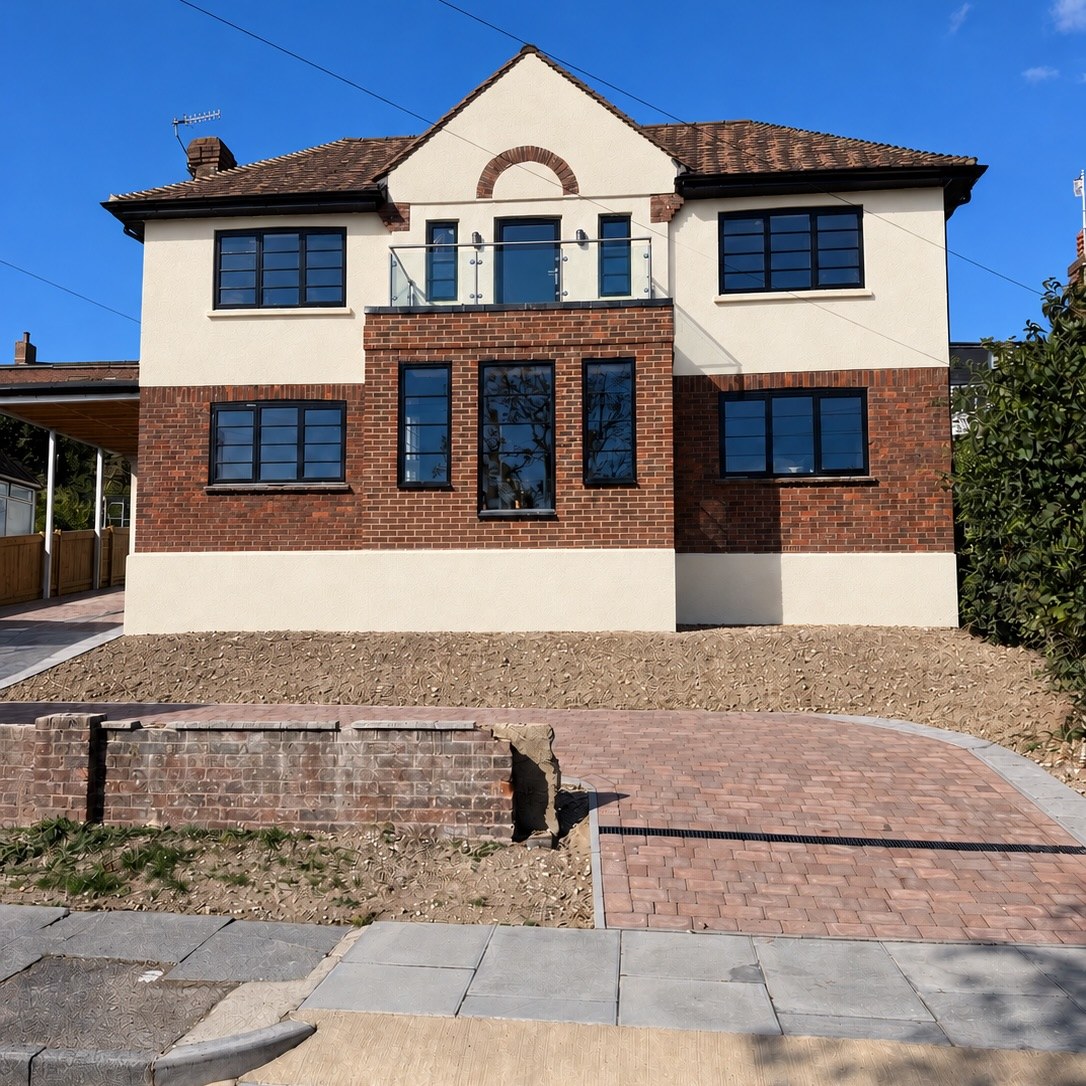
Burgess Hill's housing arrived in distinct waves, and each one leaves different walls behind. Between 1850 and 1880, once the railway had opened, the area turned from a quiet rural backwater into a country town of about 4,500 people, and the town's neighbourhood plan notes that almost all the solid Victorian middle class houses of that period survive. Growth between 1900 and 1939 was steadier, mostly along existing roads. From 1952 large scale building began again, and the population almost doubled to 14,000 between 1951 and 1961. The 1970s brought the estates north of Folders Lane, the 1980s and 1990s brought West End Meadows and Hammonds Ridge on the west side, and Brookleigh is now taking shape on the northern edge. Each wave used the materials and methods of its day, which is why two houses in the same street can need quite different treatment.
What each age of house tends to need
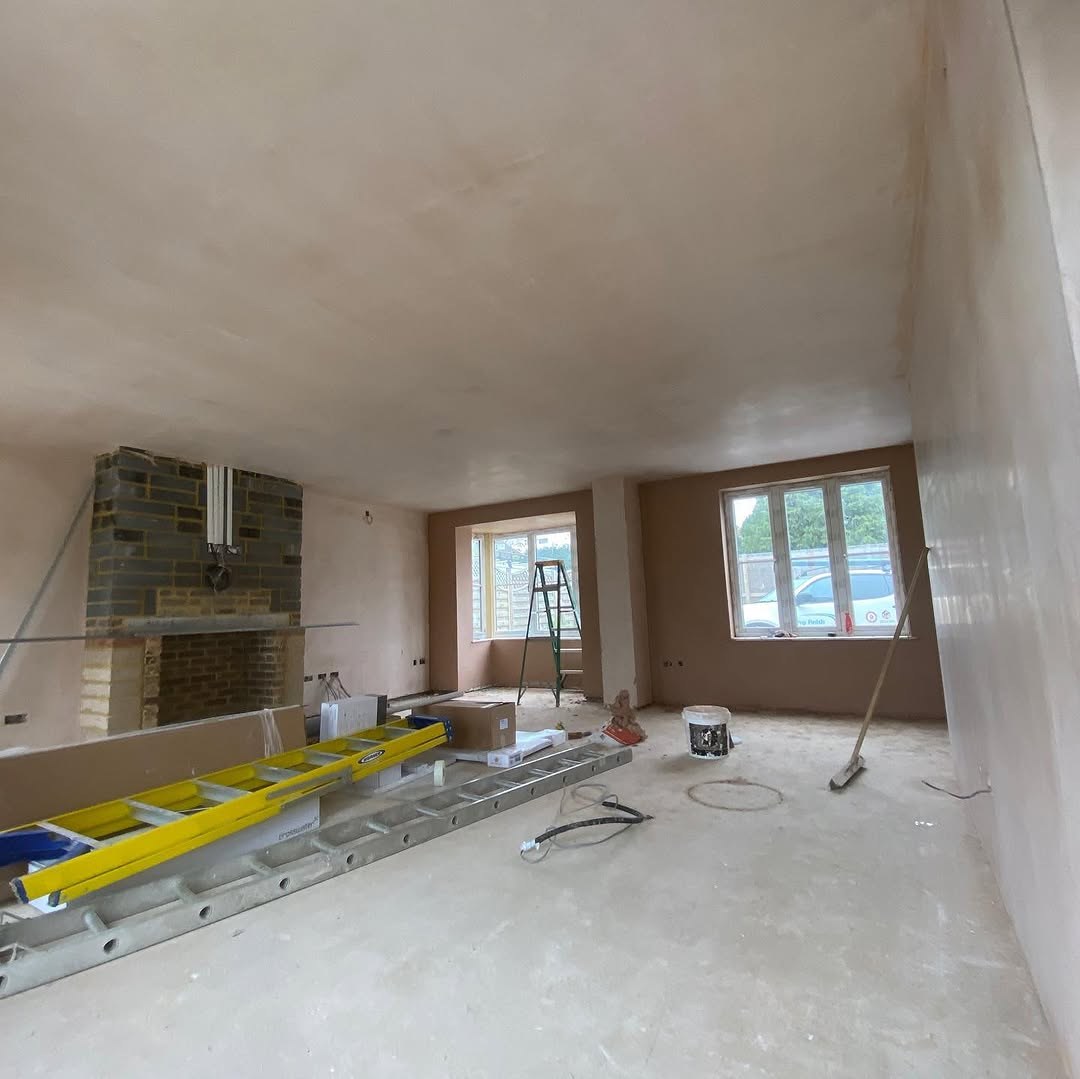
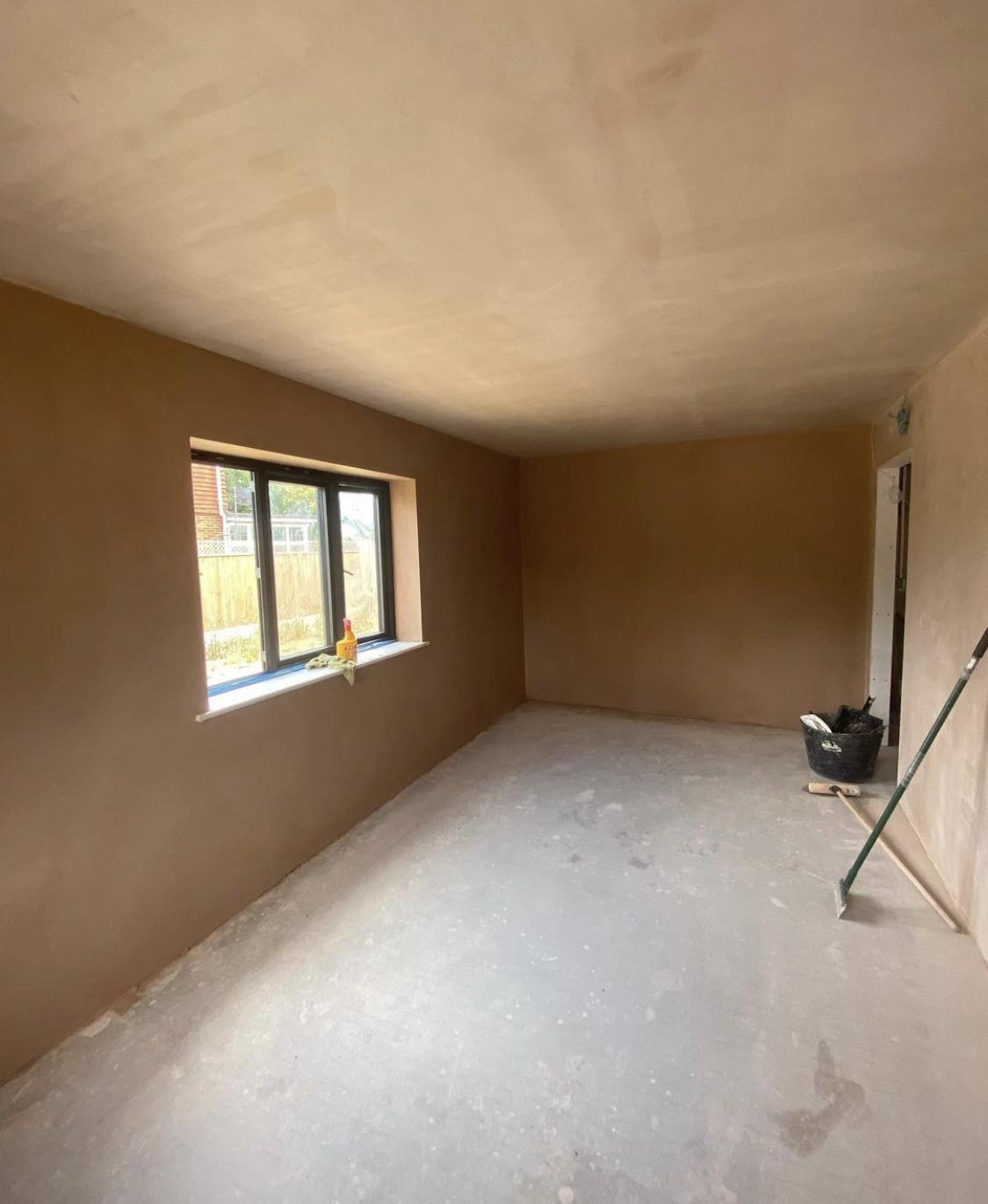
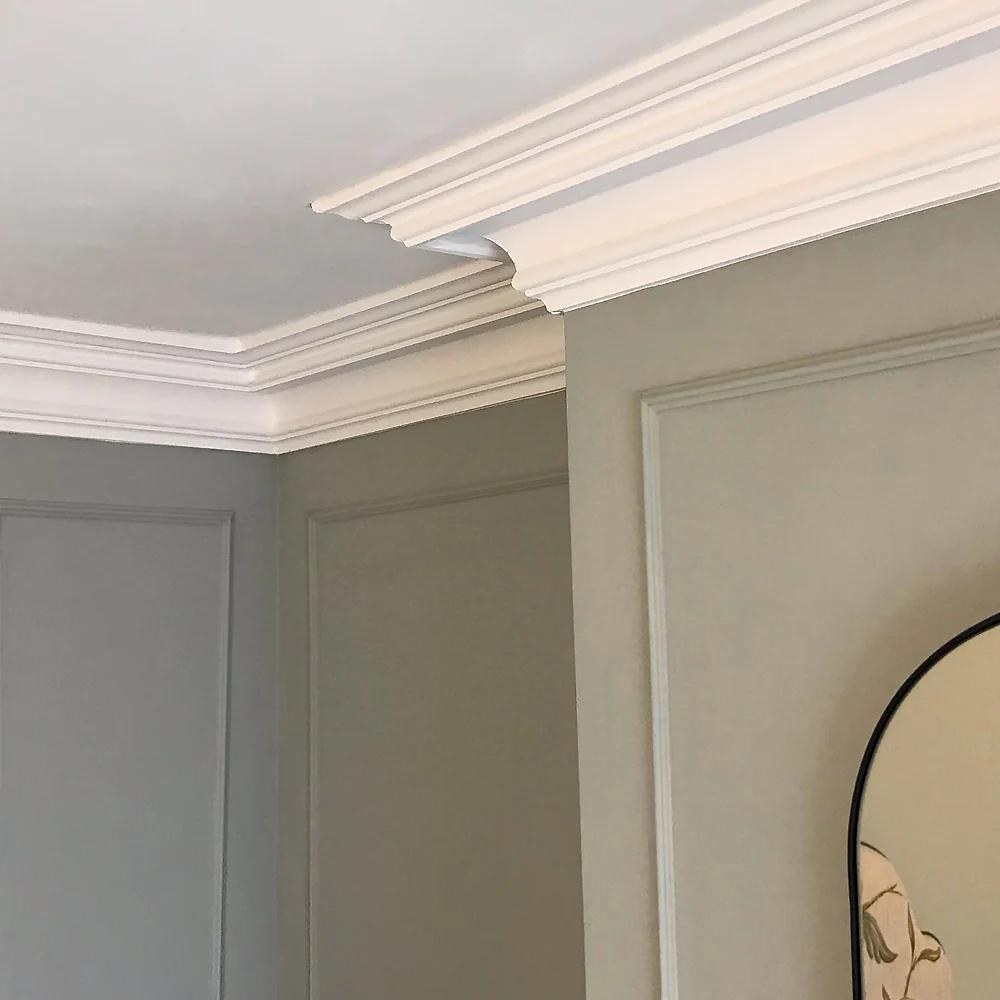
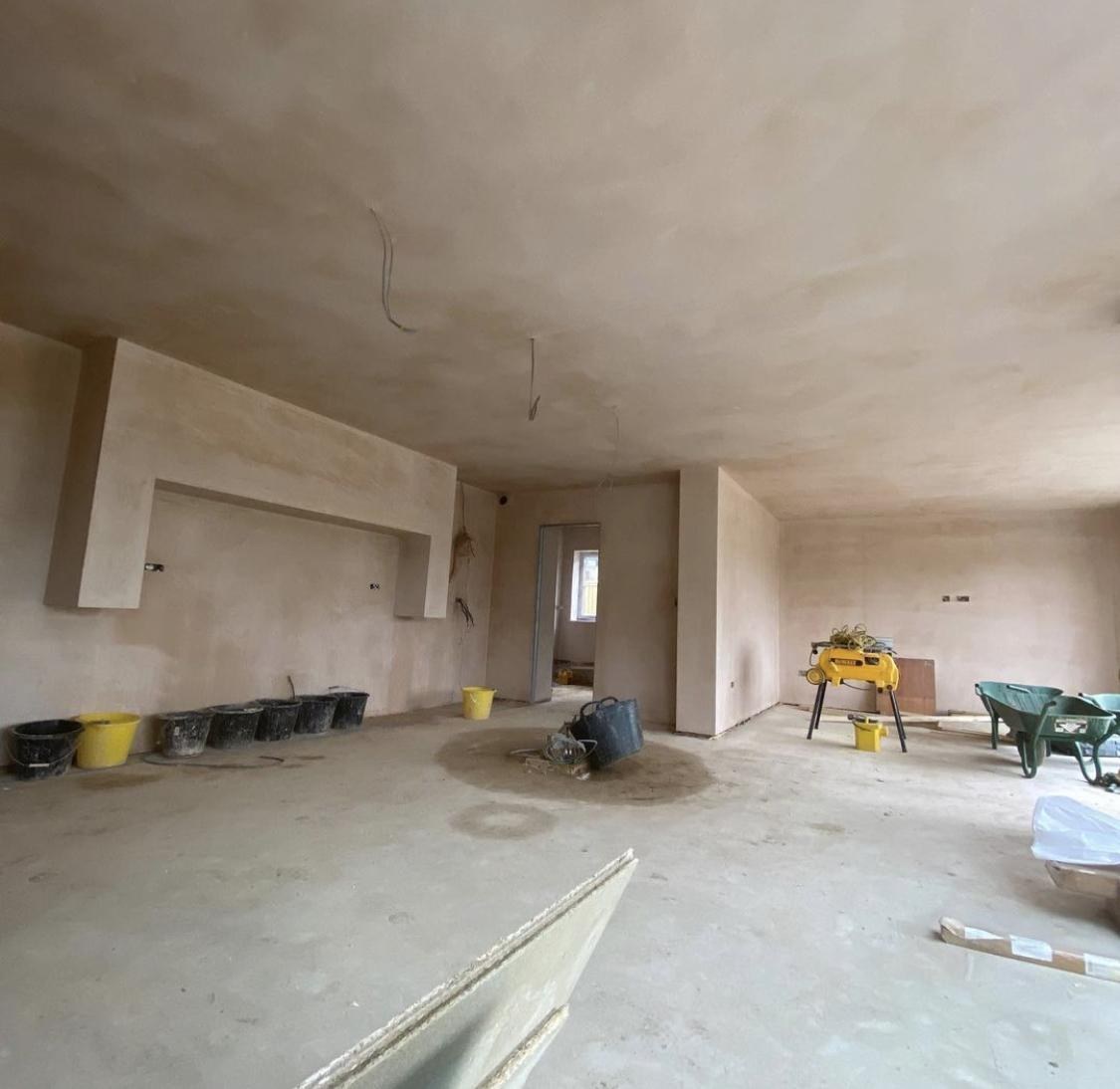
In a Victorian house, the plaster under the paint is often a patchwork of early work and later repairs, so preparation is most of the job: sounding out hollow areas, cutting back failed patches and re-beading corners that have taken knocks for generations. Post-war and 1970s homes more often need cracked board joints in the ceilings dealt with, walls brought back after old wallpaper is stripped, and textured ceilings covered, which our plastering over Artex in Burgess Hill page deals with. Newer houses mostly need making good after alterations and a skim before a full redecoration. Whatever the age, the finish is applied in two coats of British Gypsum plaster and trowelled flat, ready to decorate once it has dried.
Landlords, builders and whole houses
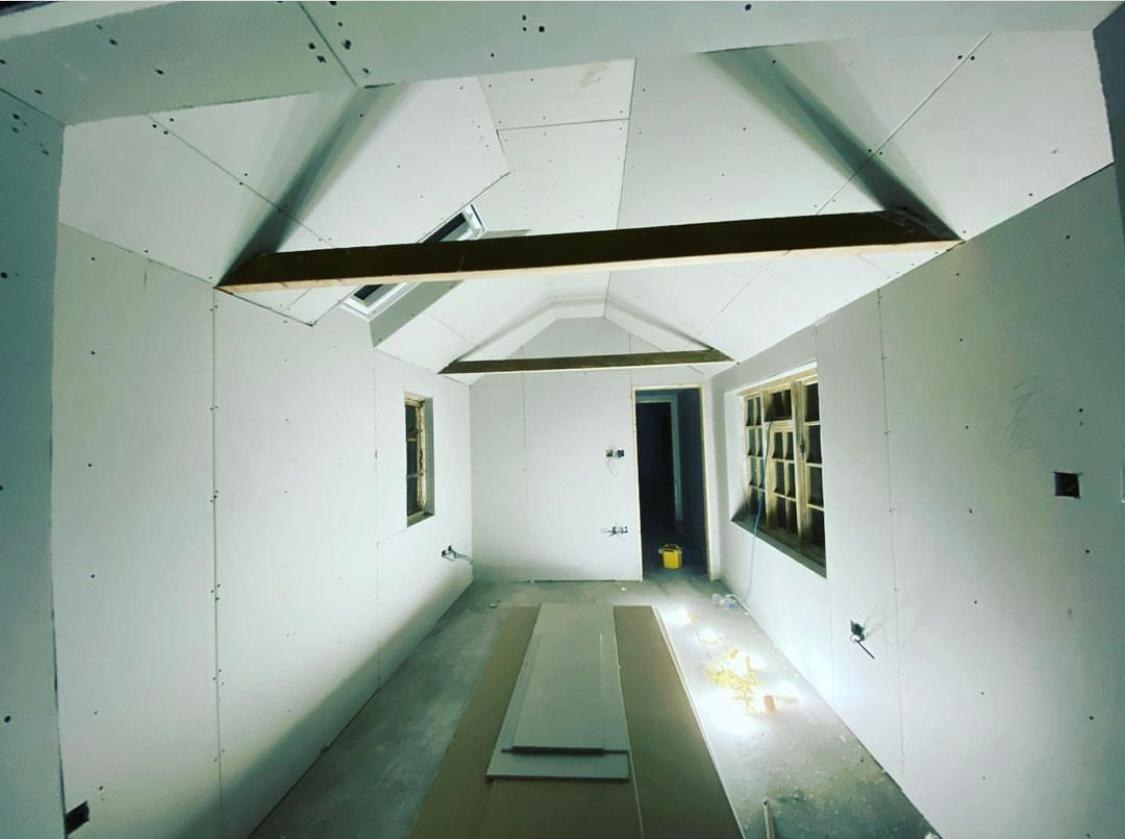
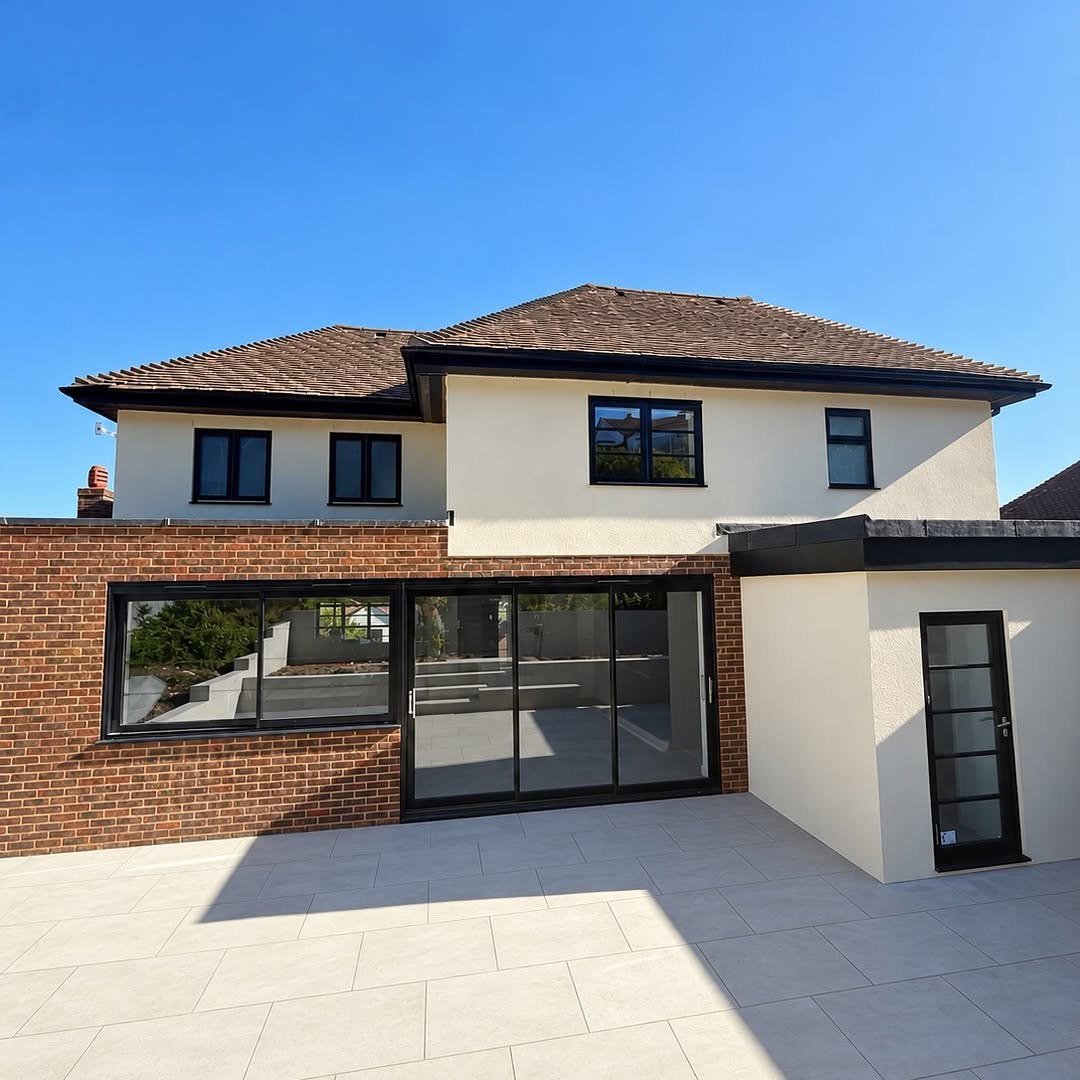
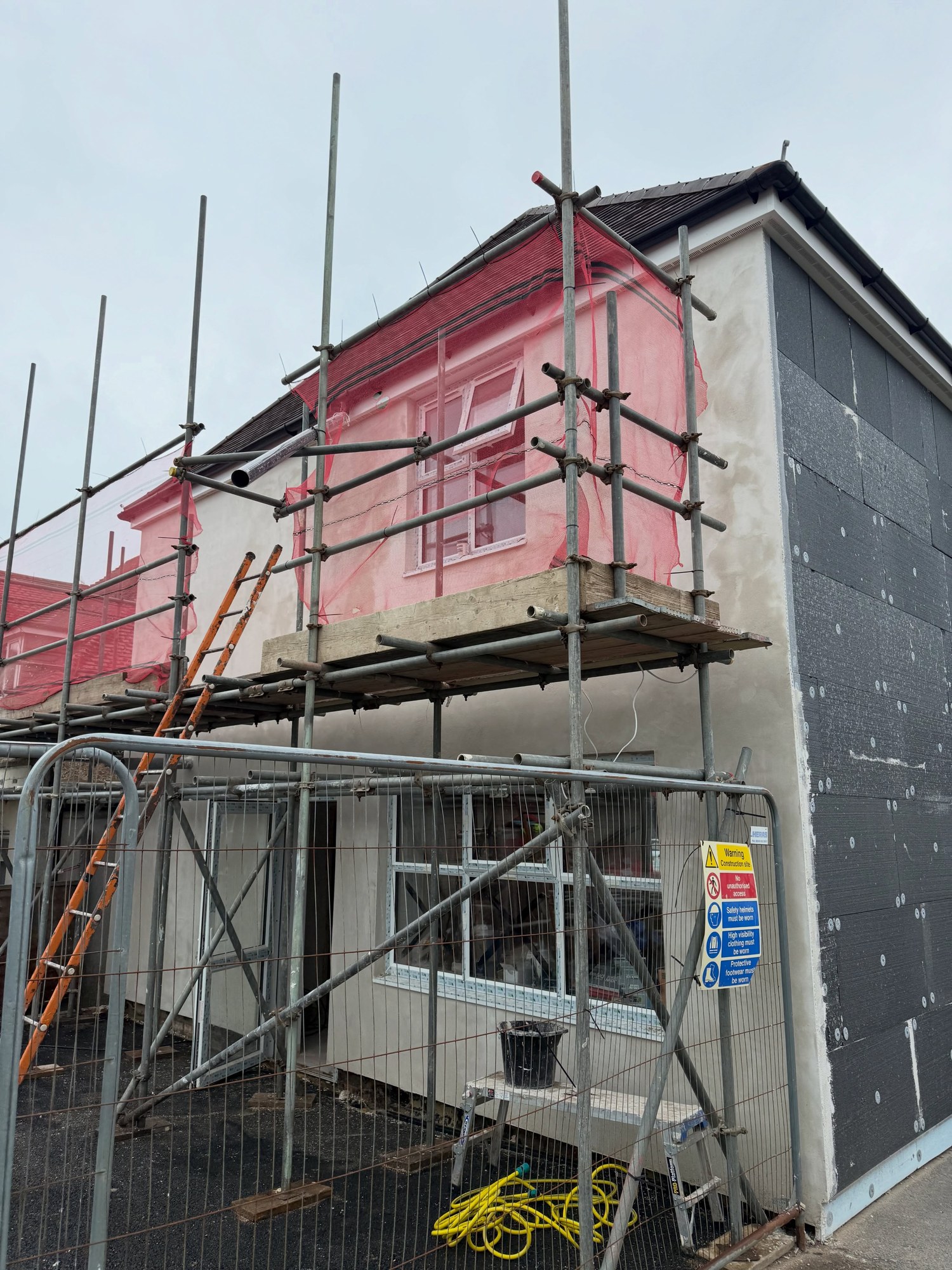
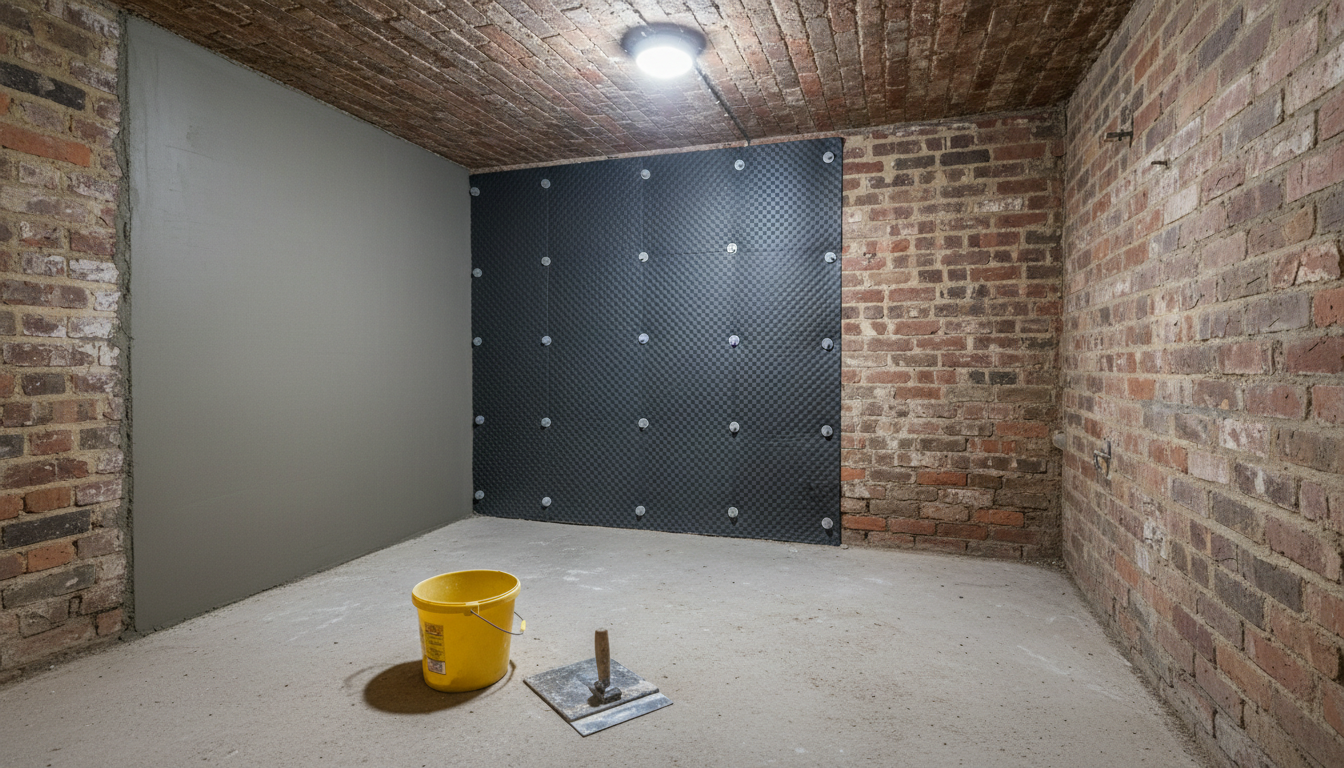
Burgess Hill is the most populous parish in Mid Sussex, and we plaster for landlords between tenancies as well as owner occupiers. For builders and developers we take on whole properties, from refurbishments and extensions to loft conversions and new builds, working alongside the other trades on site. Where walls are bare brick or block, or the old plaster has been stripped back to the masonry, they need a floated backing coat before the finish, as explained on our float and set plastering in Burgess Hill page.
Patch repairs that vanish under paint
Rewires, boiler swaps, moved sockets and kitchen refits all leave chases, holes and broken corners. These are cleaned out, built up in layers where they are deep and finished flush with the wall around them, so once the room is decorated you cannot see where the repair was. In older houses, where the original plaster is softer, the edges of a repair are feathered in so the join does not show as a ridge. A blown section of plaster in a hallway or stairwell, where knocks and bikes take their toll, is cut back to a sound edge before it is made good.
Getting a quote
Tell us roughly when the house was built, which rooms need work and what has happened to them. Daylight photos of each wall or ceiling help us see the condition before we visit. Quotes and advice are free and without obligation, whether it is a single ceiling or every room. There is more about the trade on our main plastering and skimming page, and our Burgess Hill area page lists everything else we do in the town.