Where a silicone finish fits in Chichester
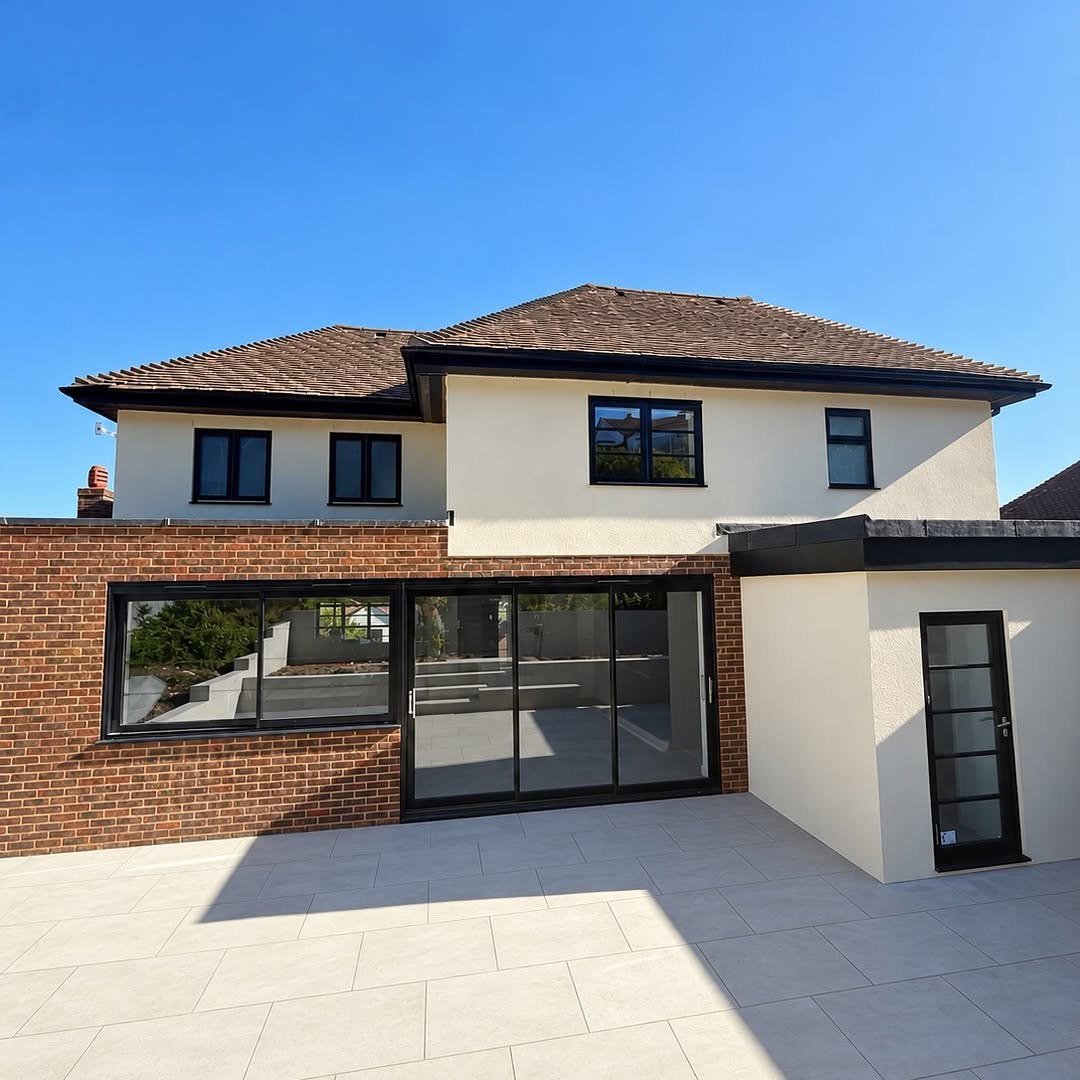
Silicone render is a modern, thin-coat system with the colour mixed through the top coat, and it suits modern walls. In Chichester that points to houses such as those on the East Broyle Estate to the north-west, built in the 1960s and early 70s, along with extensions and new builds. Houses from the middle decades of the last century often have pebble dash or painted render that has faded, cracked or needs repainting every few years, and a silicone system over a sound, prepared background ends that cycle, because the finish never needs painting.
The historic city is another matter. The conservation area covers the whole Roman town inside the walls, which is full of brick and flint buildings that need to breathe. A modern thin-coat system is rarely right there, and changes to a front can need planning permission and, on a listed building, listed building consent. For those walls, see our page on rendering in Chichester.
Summersdale and character
Summersdale's residents describe their Edwardian houses through roughcast walls, patterned plaster, tile-hung gables and red tiled roofs, and warn that the area's character is under threat from demolition and redevelopment. On houses like those, swapping roughcast for a smooth silicone finish changes the look of the street, so it is worth thinking carefully first, and checking with Chichester District Council where planning rules may apply. On later infill houses in the same roads, a silicone finish in a sympathetic colour and texture can sit comfortably.
Leafy plots and clean walls
The silicone in the top coat makes the surface water repellent, so rain beads and runs off instead of soaking in, which helps walls stay cleaner. On leafy plots, where trees and hedges shade the house, any render collects some green growth over time, but a silicone finish usually needs nothing more than an occasional gentle wash rather than repainting.
Extensions, new builds and colour
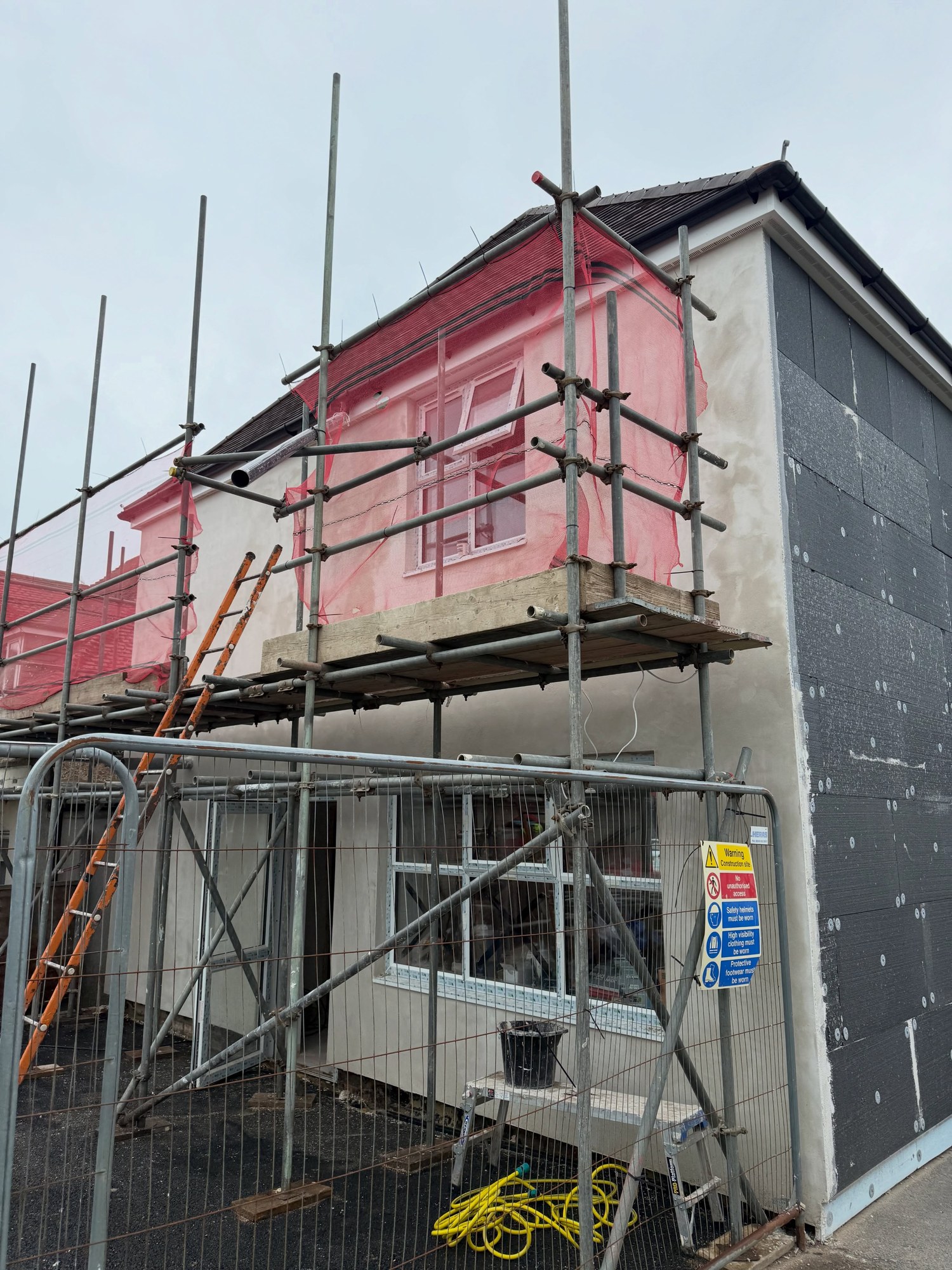
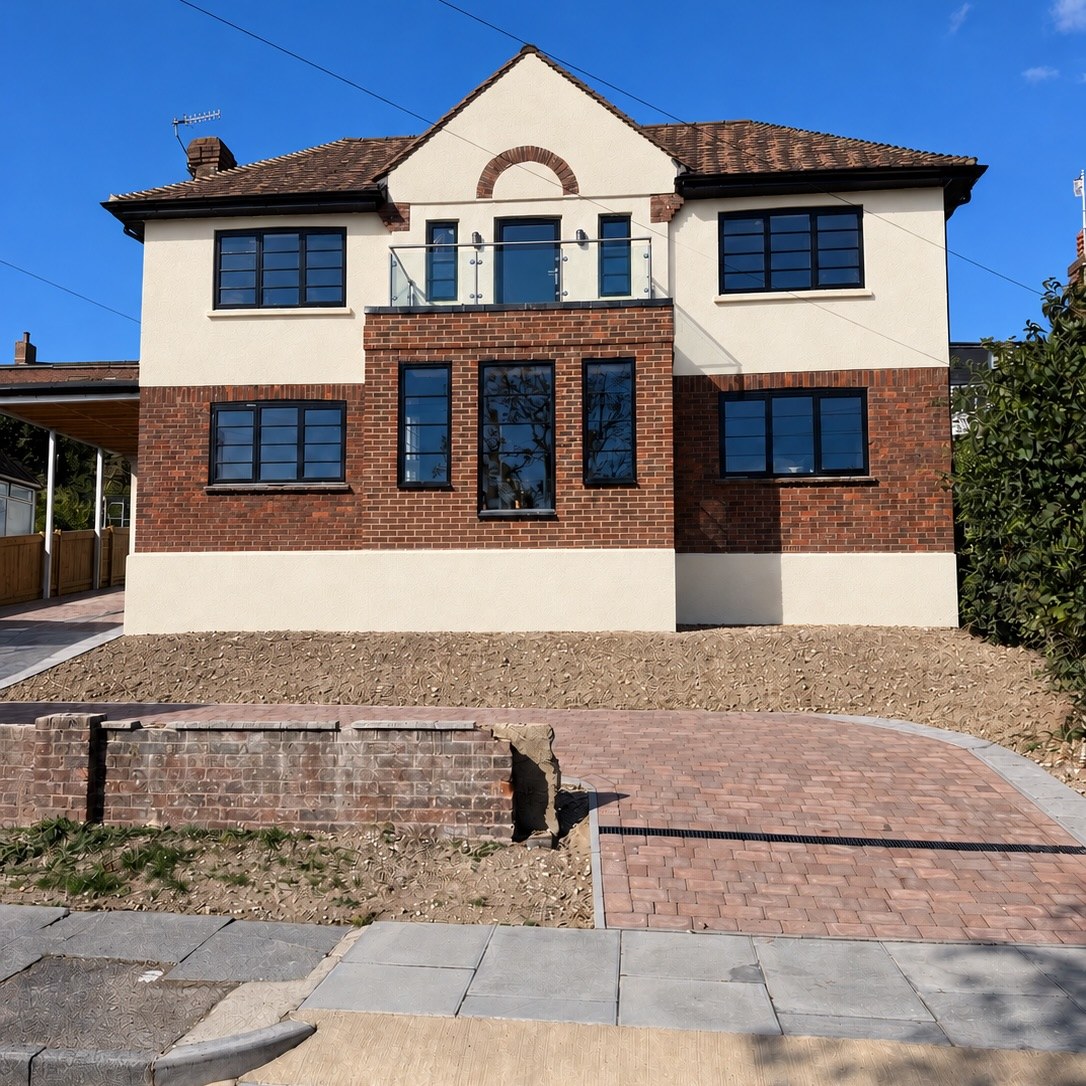
On an extension, silicone render can tie new blockwork to the original house, either matching an existing rendered finish or giving the whole building one consistent colour. On new homes, a through-coloured finish means there is nothing to redecorate once the scaffold comes down. Colour is the decision that lasts: because it runs through the top coat, it should be chosen with the whole street in mind, and on semi-detached pairs and terraces it is worth agreeing it with the neighbours before the order goes in.
The layers that make the system
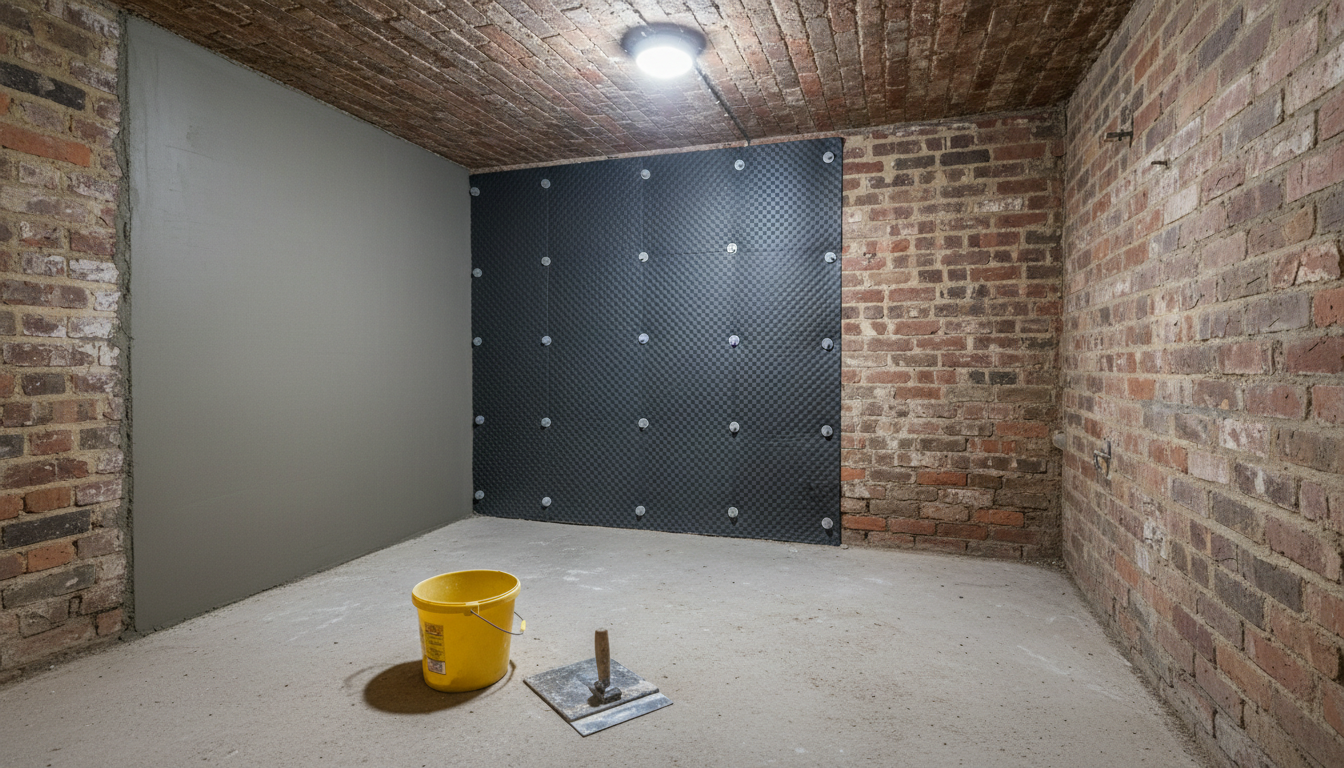
- The wall is surveyed and prepared, with hollow or loose render removed.
- Beads go on at corners, reveals and the base of the wall.
- A basecoat is applied with reinforcing mesh embedded in it.
- A primer tinted to the chosen colour follows.
- The silicone top coat is applied thinly and worked to an even grain.
Over sound pebble dash, the first coat levels the stones before the mesh goes in. Over hollow or failing render, the old coat has to come off first.
Silicone is also the usual finish over external insulation, so if the walls are cold, it is worth looking at external wall insulation in Chichester before choosing the render on its own.
Read more on our silicone rendering page, or see our Chichester page for every service we cover in the city. Free, no-obligation quotes: 07824 165672.